








Native Plants for Sustainable Ontario Landscapes — Your Practical Guide to Eco-Friendly Garden Design
Sustainable landscaping matters more every year. This guide explains how choosing native plants in Ontario helps you build beautiful, low-maintenance gardens that support local wildlife and strengthen the health of your yard. Native species are adapted to our soils and climate, so they often need less water, fewer inputs, and less upkeep — while providing food and shelter for pollinators, birds, and beneficial insects. Read on for the ecological benefits, top species for Ontario, and practical design and care tips you can use right away.
Across North America, community programs and resources are helping homeowners and cities adopt native-plant practices to improve urban ecosystems.
Sustainable Landscaping Programs for Native Species & Ecosystems
These voluntary programs share best practices, materials, and educational tools to raise the environmental quality of urban landscapes. In a survey of sustainable landscaping initiatives in the United States, researchers identified 193 programs that promote native plants, affordable stormwater management, and hands-on experiences with nature for residents. The programs aim to increase native species richness, reduce runoff, and make conservation practical for everyday homeowners.
Sustainable landscaping programs in the United States and their potential to encourage conservation and support ecosystem services, MA Pham, 2022
Why Choose Native Plants in Ontario Landscapes?
Native plants deliver real benefits for homeowners and the environment. Because they evolved here, they’re well matched to Ontario’s seasons, soil types, and rainfall patterns — which makes them hardy, lower-maintenance, and waterwise. They also form the foundation of local food webs, feeding pollinators, birds, and beneficial insects while improving soil health and resilience.
How Native Plants Support Local Wildlife and Biodiversity
Native species provide the right nectar, seeds, and shelter for local wildlife. Many native flowers are magnets for bees, butterflies and other pollinators that local plants and nearby crops depend on. By planting natives you help sustain insect populations that, in turn, feed birds and small mammals — a cascading effect that boosts biodiversity across your property.
How Native Plants Help Save Water and Build Better Soil
Many native plants have deep, fibrous root systems that slow runoff, increase groundwater recharge and stabilize soil. Over time they improve soil structure and nutrient cycling, which reduces the need for fertilizers and frequent watering. Gardens designed around native species typically use less irrigation and are more drought-resilient than conventional lawns or exotic plantings.
Practical design and urban planning research also highlights native plants’ role in low-carbon, water-wise city systems.
Native Plants for Sustainable Urban Landscaping & Eco-Friendly Design
Native plants can play an important role in making cities more sustainable and lowering carbon footprints. Based on landscape-design experience, this work outlines 15 practical applications for natives in urban systems — from passive solar planting and green roofs to greywater integration — grouped around urban forest management, water conservation, and local food production.
Native plants and urban sustainability, 2008
Maverick Landscaping designs gardens that balance curb appeal with ecological function — we use native plants to create landscapes that look great and support local nature.
We also handle year-round property needs. For businesses, our reliable commercial snow removal in Mississauga keeps sites safe and accessible through the winter months.
Which Native Plants Thrive in Ontario’s Climate?
Ontario’s range of soils and microclimates supports many native species. Choosing plants suited to your site — sun exposure, soil moisture and space — is the quickest path to a low-maintenance, resilient garden that performs year after year.
Popular Drought-Tolerant Native Plants for Ontario
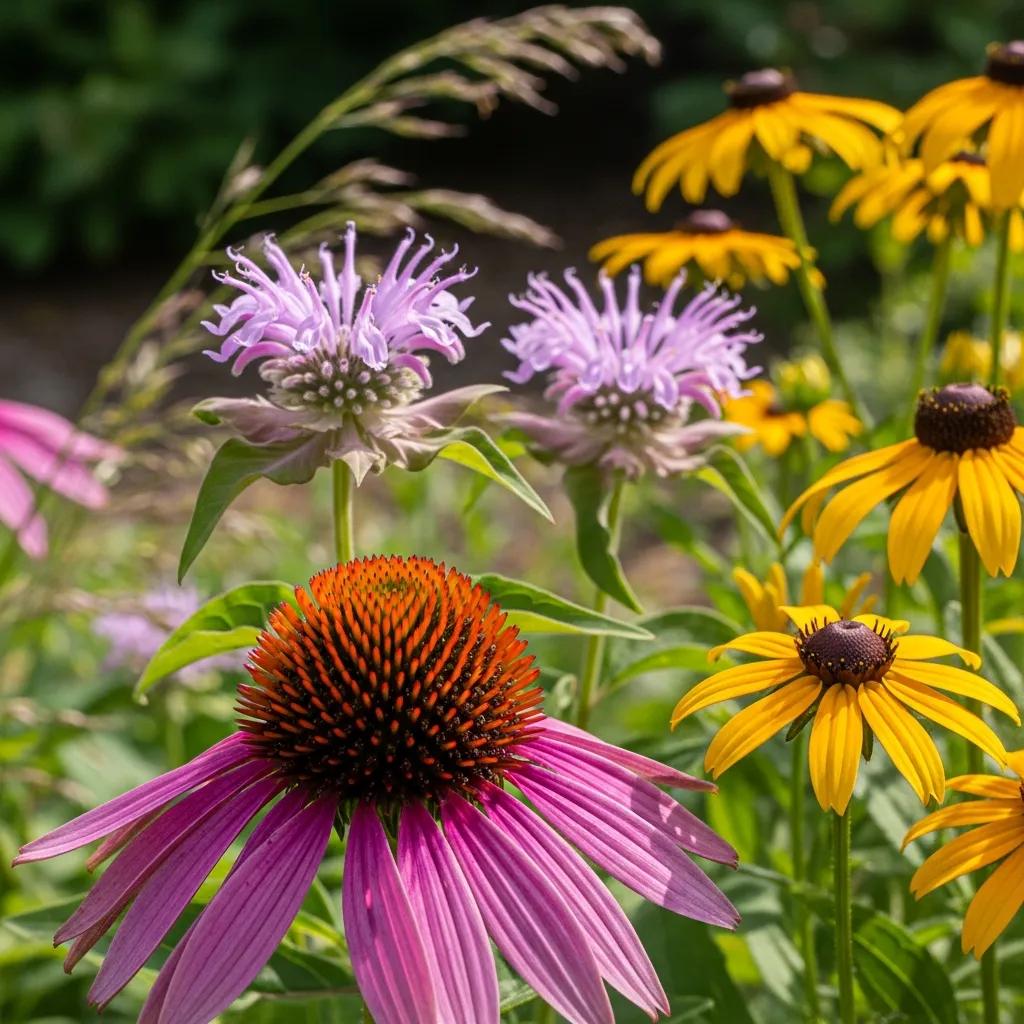
These drought-tolerant natives are reliable choices across many Ontario gardens:
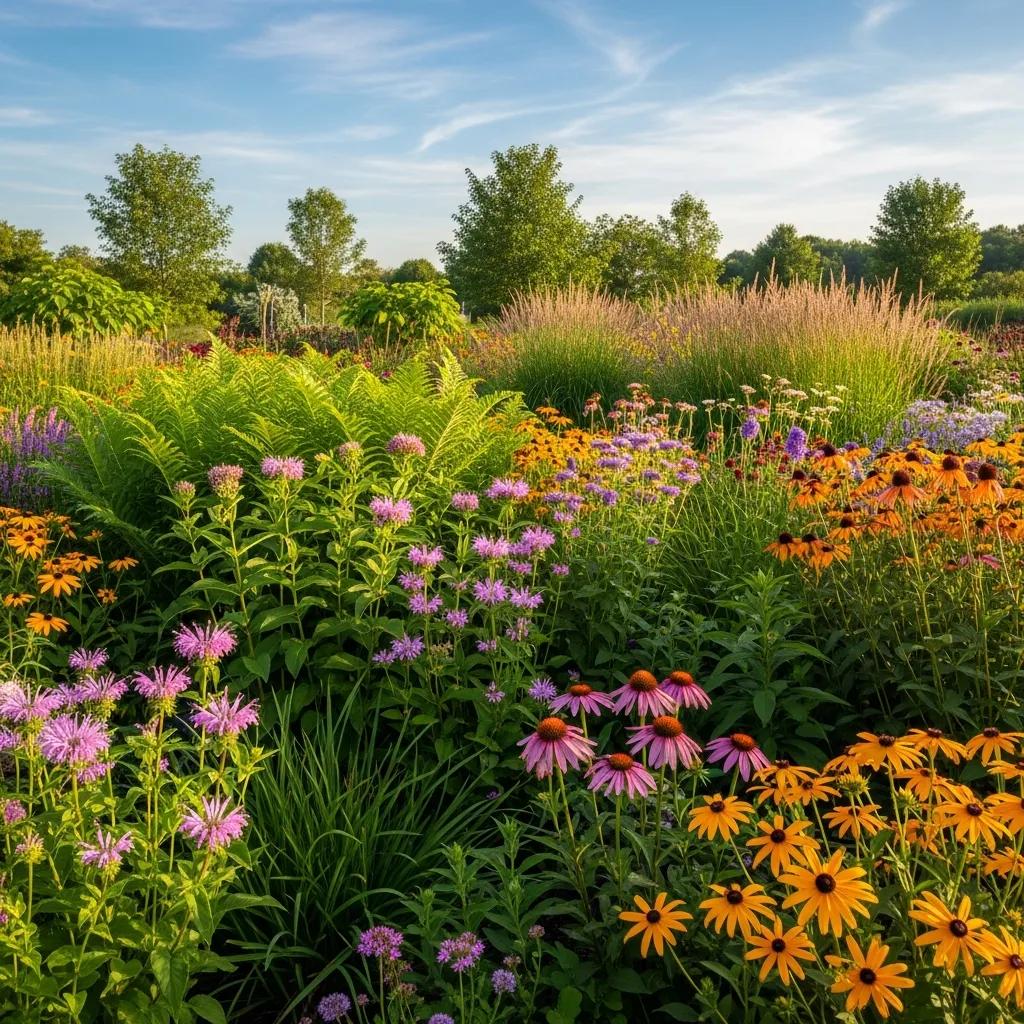
- Purple Coneflower (Echinacea purpurea): A tough perennial with long-lasting purple blooms that attract bees and butterflies.
- Black-eyed Susan (Rudbeckia hirta): Bright, hardy and adaptable to a wide range of soils — a dependable seasonal performer.
- Wild Bergamot (Monarda fistulosa): Fragrant clusters of flowers that draw pollinators and add a cottage-garden charm to naturalized beds.
Choosing Native Trees, Shrubs and Perennials for Your Site
Match plants to your site conditions for the best results. Consider:
- Soil type: Clay, loam or sandy soils favor different species — test or observe your yard before buying.
- Sunlight: Note hours of direct sun and shade to select plants that will thrive rather than struggle.
- Space: Plan mature size to avoid crowding and reduce future maintenance.
Picking species that suit these conditions makes a native garden easier to care for and more resilient.
Designing a Native Plant Garden for Beauty and Ecology
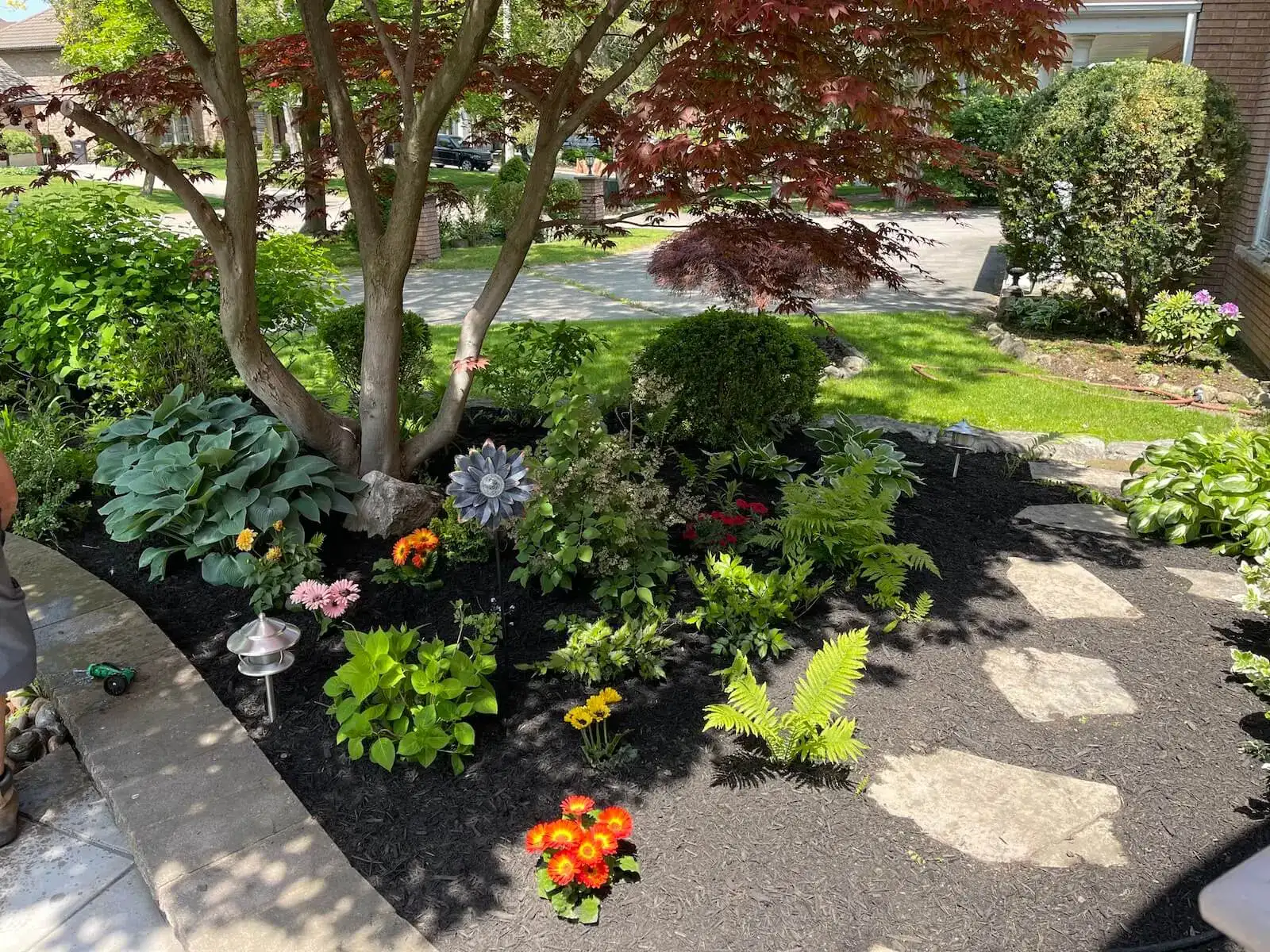
A thoughtful design balances visual appeal with habitat function. Use layering, seasonal variety and small habitat features to create a garden that’s attractive to both people and wildlife.
Key Principles for Ontario Native Plant Garden Design
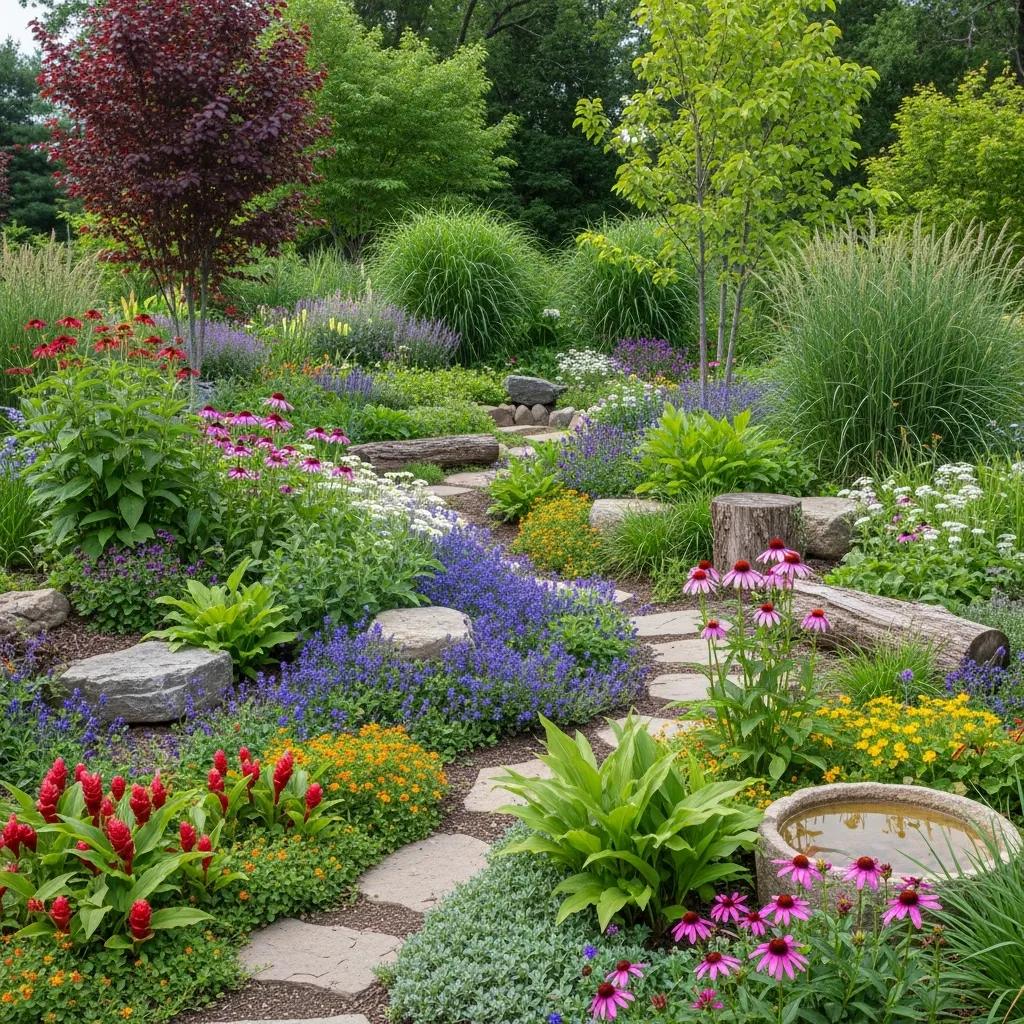
Principles to guide your layout:
- Layering: Combine groundcovers, perennials, shrubs and trees to create depth and habitat diversity.
- Microhabitats: Add logs, rocks and shallow water features to support insects, amphibians and small wildlife.
- Seasonal planning: Choose species that bloom at different times so your garden has interest and food sources across the seasons.
Combining Natives for Year-Round Interest and Habitat
Mix plants so the garden offers food and shelter through spring, summer, fall and winter:
- Stagger bloom times: Provide continuous nectar and pollen for pollinators.
- Vary foliage: Use plants with changing leaf color or texture to add seasonal contrast.
- Support wildlife: Include seed-bearing and berry-producing species for birds and cover plants for nesting.
Practical Tips for Maintaining a Native Plant Landscape
Native gardens are lower-maintenance than conventional planting once established, but they still need thoughtful care, especially in the first two to three seasons. Use practices that protect beneficial wildlife while keeping plants healthy.
Managing Weeds and Pests Naturally
Integrated, low-toxicity approaches work best in native gardens:
- Companion planting: Pair species that support each other and discourage pests naturally.
- Natural controls: Choose organic options like insecticidal soap or neem oil when necessary, and avoid broad-spectrum pesticides that harm pollinators.
- Regular checks: Inspect plants often and deal with issues early to prevent larger outbreaks.
Watering and Mulching for Healthy Natives
Good watering and mulching habits set plants up for long-term success:
- Deep, infrequent watering: Encourage deep roots by watering thoroughly but less often, especially during establishment and dry spells.
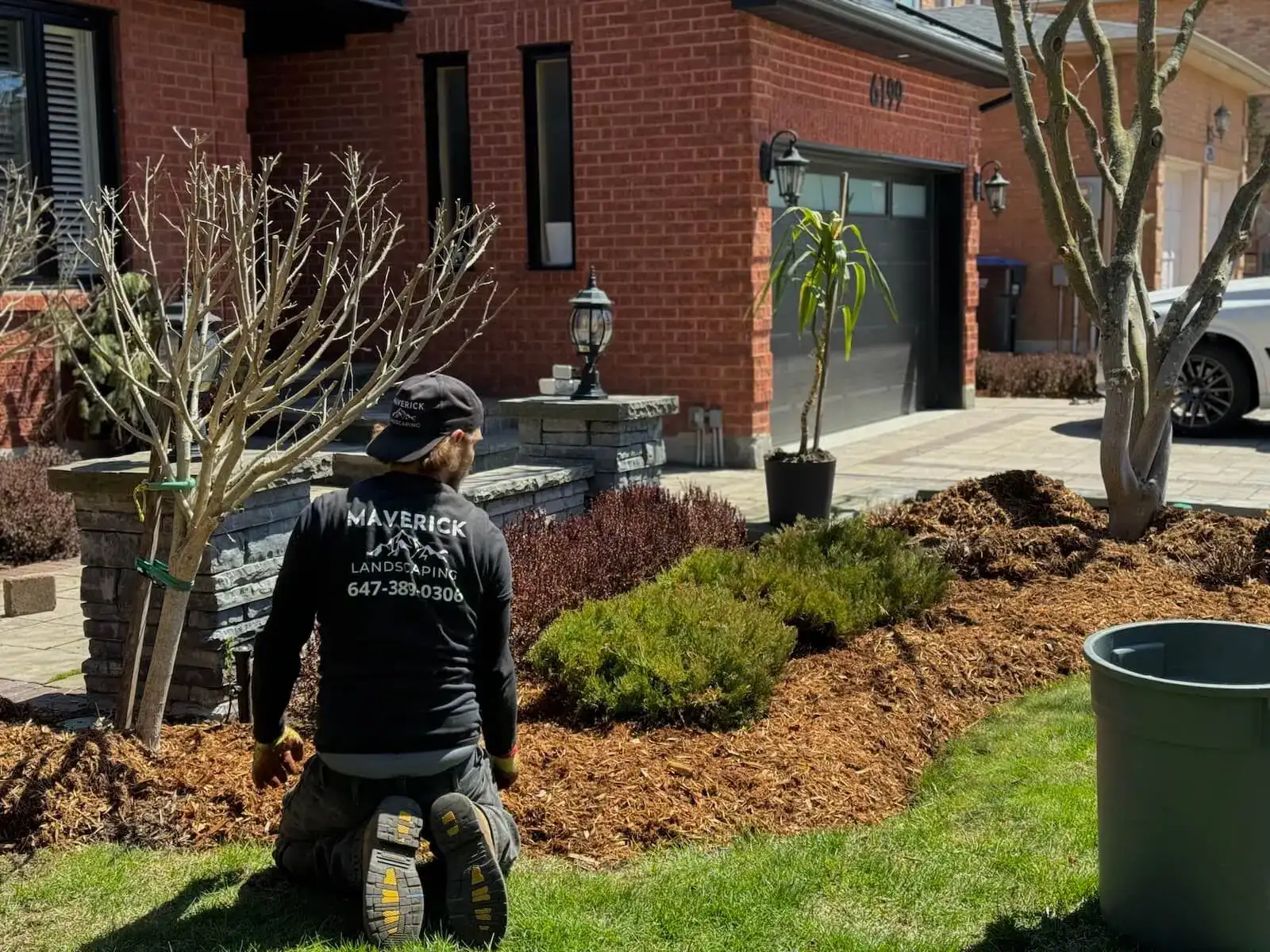
- Organic mulches: Use wood chips or shredded bark to retain moisture, moderate soil temperature and suppress weeds.
- Mulch benefits: Mulch breaks down over time, improving soil structure and feeding soil life.
Where to Source Native Plants and Information in Ontario
Finding reputable sources matters. Look for nurseries and groups that specialize in regionally appropriate stock and offer planting advice.
Local Nurseries and Conservation Groups That Offer Native Plants
Seek out:
- Native plant nurseries: Local growers supply species acclimated to Ontario conditions and can advise on site selection.
- Conservation organizations: Regional groups often run plant sales, community plantings and workshops that help you choose the right species.
Online Resources and Guides for Native Plant Landscaping
Use trusted online tools to plan and learn:
- Native plant societies: These groups publish species lists, planting guides and event calendars for Ontario regions.
- Educational websites: Extension services and botanical organizations provide searchable databases and step-by-step care tips.
With the right resources and a bit of planning, you can create a native plant garden that looks great, supports wildlife, and stands up to Ontario’s seasons.
Frequently Asked Questions
What are the best practices for planting native species in Ontario?
Plant in spring or fall when temperatures are milder and plants can establish roots before extremes. Clear competing weeds, loosen compacted soil and, if possible, test your soil so you know what amendments — if any — are needed. Plant at the recommended depth and spacing, mulch to retain moisture, and water regularly while plants establish. Check your garden seasonally and remove invasive weeds promptly.
How can I attract more pollinators to my native plant garden?
Choose a variety of native flowers that bloom across the season, and prioritize plants known to attract bees, butterflies and native pollinators. Avoid pesticides, provide shallow water sources, and include sheltered spots like hedgerows or stacked brush for nesting. Diversity and continuous bloom are the keys to a pollinator-friendly yard.
What are the environmental impacts of using non-native plants in landscaping?
Non-native plants can sometimes spread aggressively, crowding out native species and reducing habitat quality. They may need more water, fertilizer and pesticides, which raises costs and environmental impacts. Wherever possible, choose native alternatives to support local ecosystems and reduce resource use.
How do I know if a plant is native to Ontario?
Check regional plant databases, local native-plant societies, or university and conservation websites for distribution maps and habitat notes. Local native nurseries and botanical gardens can also confirm whether a species is appropriate for Ontario. Observing where a plant naturally grows in the region is another good clue.
What role do native plants play in climate resilience?
Native plants are adapted to local climate variability and often better tolerate droughts, heavy rains and seasonal swings. Their deep roots improve soil structure and water infiltration, reducing erosion and runoff. By supporting diverse ecosystems, native plantings also help landscapes recover from disturbances and store carbon in plant biomass and soils.
Can I create a native plant garden in a small space?
Absolutely. Choose compact native species and use containers, vertical planters, or layered beds to maximize habitat in limited areas. Focus on a mix of bloom times and structural variety so even a small plot provides food and shelter for pollinators and birds.