








Everyone loves a beautiful yard, but not everyone has the time or energy for constant mowing, weeding, and watering. The good news is that you can achieve a gorgeous landscape that practically takes care of itself. In this guide, we’ll explore the best low-maintenance landscaping ideas – from smart plant choices to hardscaping – with a focus on cost-effective, residential solutions suited for Canadian climates. These strategies will help you save time, save money, and enjoy your outdoor space more (instead of toiling in it).
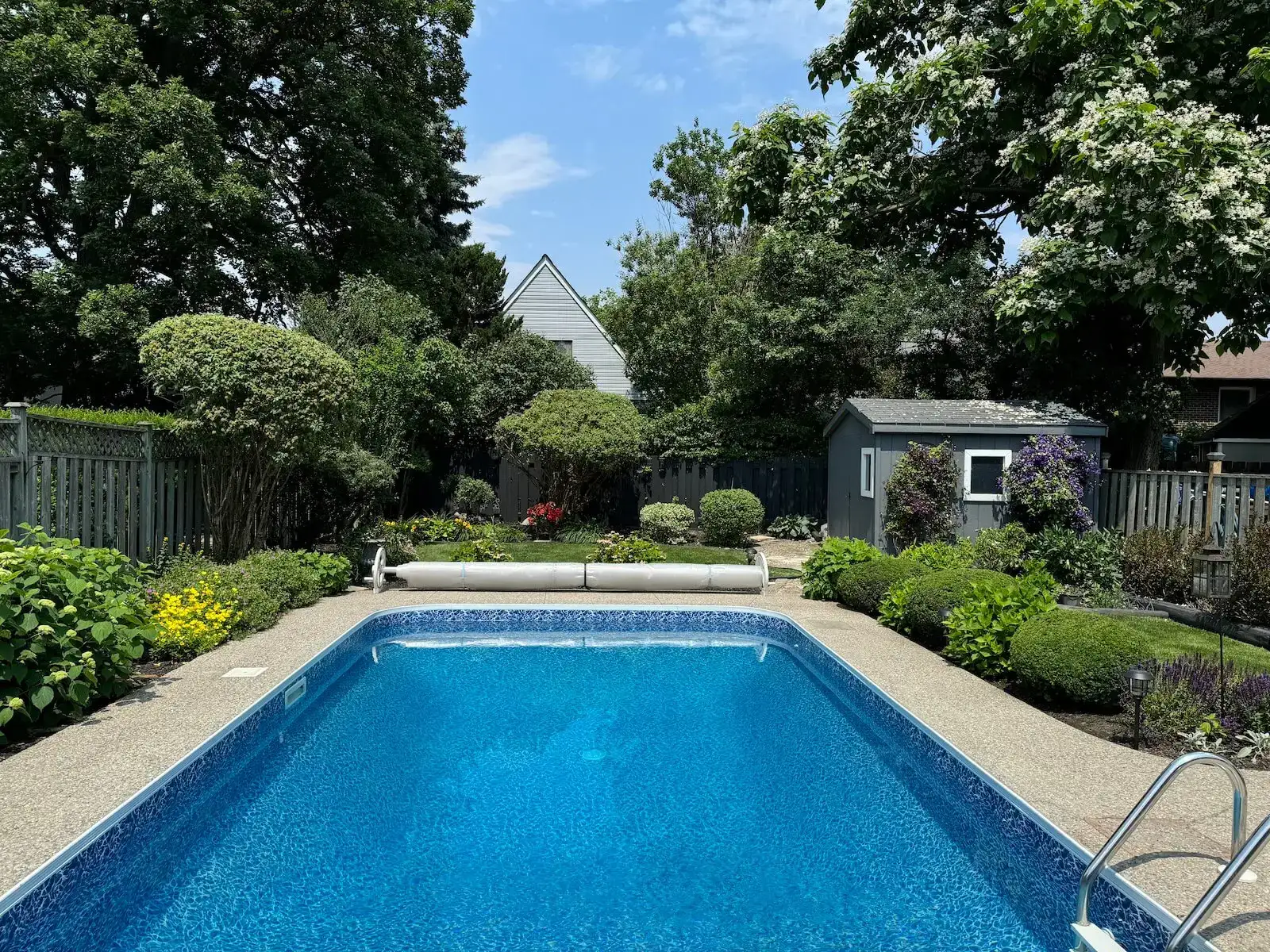
Spend time enjoying your yard, not working in it: The right low-maintenance landscaping choices (like hardy plants, mulch, and reduced lawn area) can create a relaxing outdoor haven. Homeowners who opt for easy-care landscapes often find they are cost-effective, beautiful in any climate, and even eco-friendly. By cutting water and upkeep needs, these landscapes let you kick back and sip lemonade instead of pulling weeds on a summer afternoon.
1. Choose Native and Drought-Tolerant Plants
One of the smartest ways to reduce yard work is to fill your garden with plants that thrive naturally in your region. Native plants are adapted to local climate and soil conditions, so they need much less water and care than exotic species. They tend to be more resistant to local pests and weather extremes, and they support pollinators like bees and butterflies, enhancing your local ecosystem. For example, in Ontario and much of Canada’s temperate zones, native flowering perennials such as black-eyed Susans and purple coneflowers flourish with minimal attention once established. These plants can handle periods of drought and come back year after year with little fuss.
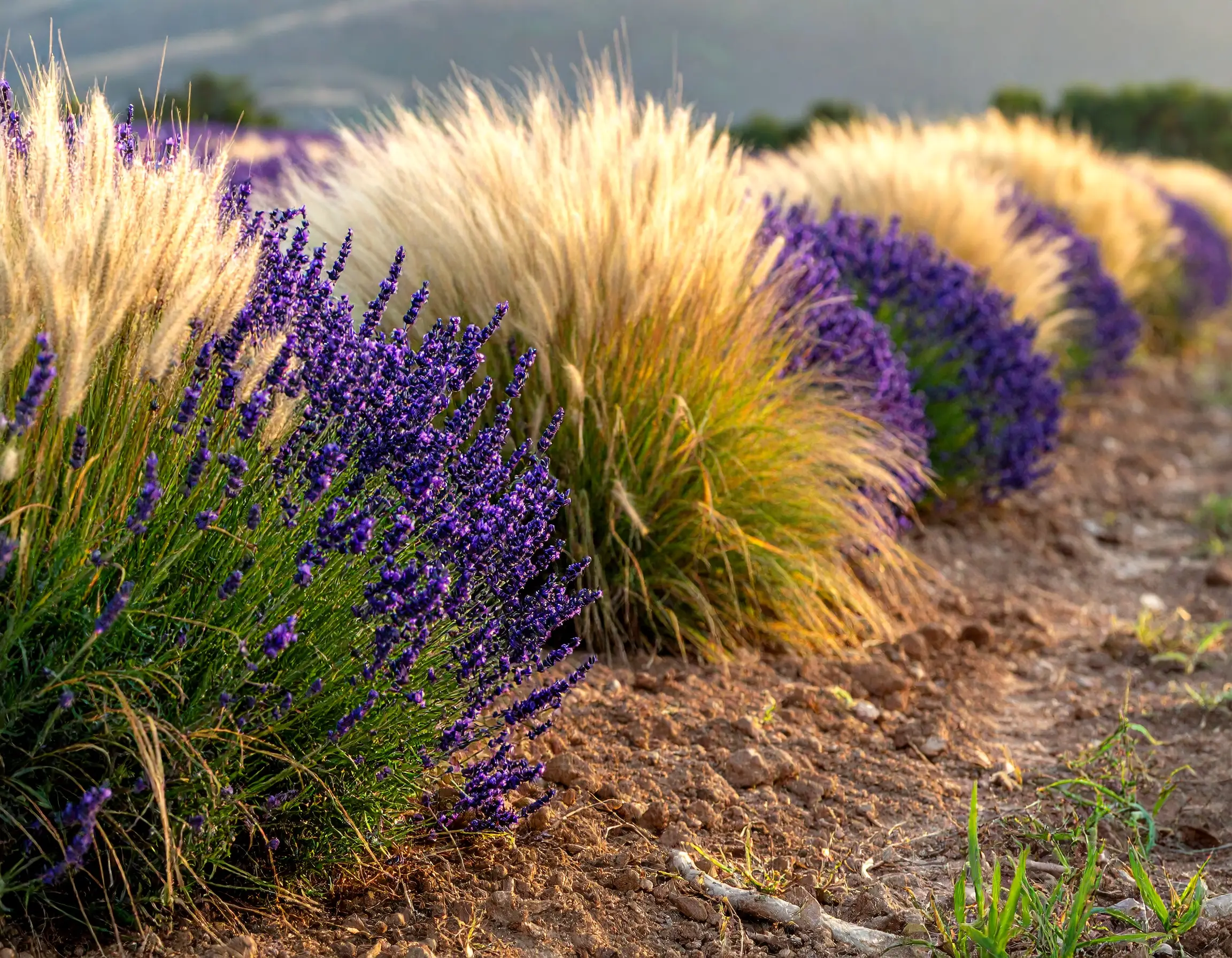
Hand in hand with native species are drought-resistant plants. Choosing plants that tolerate dry conditions means you won’t be a slave to the garden hose. Succulents, ornamental grasses, yarrow, and lavender are excellent low-water choices that still add color and texture to your yard. They naturally use less water and often remain attractive during heatwaves when fussier plants would wilt. In fact, many of these drought-tolerant picks are also native to certain regions. By swapping thirsty plants for tough survivors, you’ll conserve water and reduce your watering chores – a big win for both your schedule and your utility bill.
2. Opt for Perennials Over Annuals
If you’re tired of replanting flowers each spring, make perennials your new best friends. Perennials are the “set it and forget it” stars of a low-maintenance garden – they survive winter and bloom again season after season. Unlike annual flowers that die off and need replacing every year, perennials only require planting once, saving you time and money on replanting. They’re the low-maintenance gardener’s dream: “They come back every year, and all you have to do is water and prune!”.
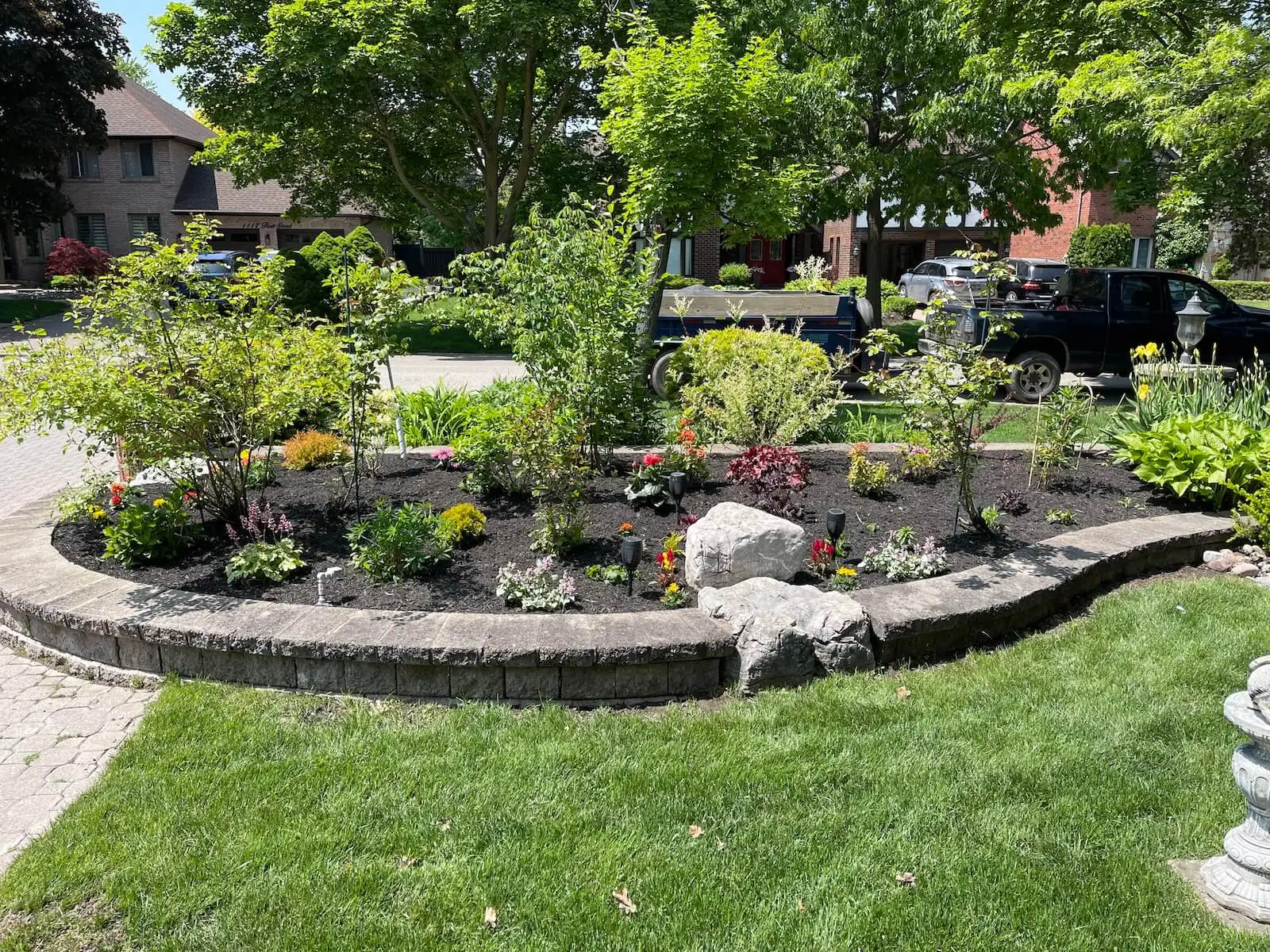
There are many hardy perennials that thrive in Canadian gardens. For example, daylilies and hostas are famously tough and return yearly with minimal care. Flowering perennials like lavender or Black-eyed Susans provide season-long color and need very little pampering beyond the occasional drink of water. Many perennials also have the benefit of being pest-resistant or disease-resistant, meaning fewer problems for you to manage. When planting perennials, consider spacing them a bit densely; tightly packed plants will crowd out weeds naturally, further cutting down your chores. By designing your flower beds around reliable perennials, you’ll enjoy a vibrant landscape that largely takes care of itself year after year.
Evergreen shrubs deserve an honorable mention here as well. Planting evergreen bushes or coniferous plants can give your yard year-round structure and color with virtually no work on your part. Species like boxwood, juniper, or dwarf spruce are excellent low-maintenance choices – they don’t drop messy leaves and typically keep a neat shape without frequent pruning. In Canada’s colder climates, hardy evergreens (e.g. cedar, pine, or false cypress) can withstand freezes and still look lush, providing winter interest when other plants go dormant. By mixing perennials and evergreens, you ensure your yard has continuous beauty through all seasons with minimal intervention.
3. Minimize Lawn Areas with Ground Covers and Alternatives
For many homeowners, the traditional grass lawn is the single biggest time and money drain in the yard. Constant mowing, watering, fertilizing – a manicured lawn demands it all. If you’re aiming for low maintenance, consider reducing the size of your lawn or eliminating it entirely in favor of low-care alternatives. Ground-cover plants can step in to carpet the ground with green without the headache of weekly mowing. For instance, clover, creeping thyme, or sedum can form a lush, low-growing “living lawn” that stays green, crowds out weeds, and rarely (if ever) needs cutting. These alternatives are also drought-tolerant compared to turfgrass, so they won’t turn brown at the first sign of a dry spell. As a bonus, many ground covers produce lovely flowers – picture a lawn sprinkled with thyme blooms or white clover blossoms – enhancing your curb appeal with zero extra effort.
Another increasingly popular option is artificial turf. High-quality synthetic grass gives you the look of a green lawn year-round without any watering, mowing, or fertilizing. It’s especially useful for high-traffic areas or spots where real grass struggles (such as deep shade or heavy footpaths). Do keep in mind that the upfront cost of installing artificial turf is substantially higher than laying sod or seed. However, it will save you time and maintenance expenses in the long run, since you won’t need lawn equipment, weekly service, or constant irrigation. Some homeowners use artificial grass selectively – for example, in a small front yard patch or a child’s play area – to cut down their overall maintenance while still enjoying a patch of “grass.”
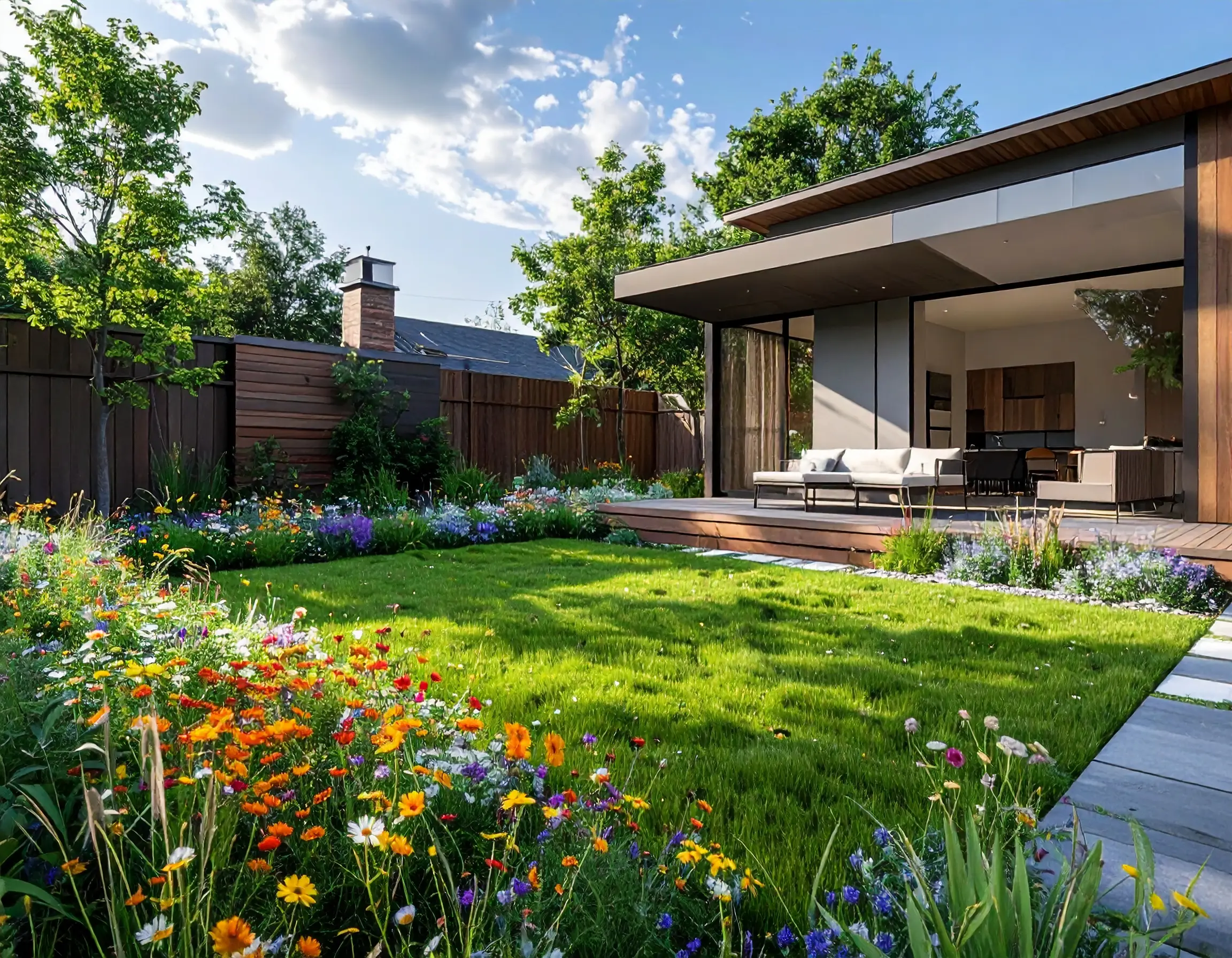
Finally, you can also rethink what a “lawn” looks like. Consider converting part of your grass area into a wildflower meadow or a mix of native grasses. Native ornamental grasses give a natural look, need no mowing or chemicals, and survive on rainfall once established. Many municipalities in Canada encourage replacing turf with pollinator-friendly meadow plantings for environmental benefits. A small meadow corner or a tapestry of creeping ground covers can be far less work (and more eco-friendly) than a finicky carpet of grass.
4. Incorporate Hardscaping to Reduce Yard Work
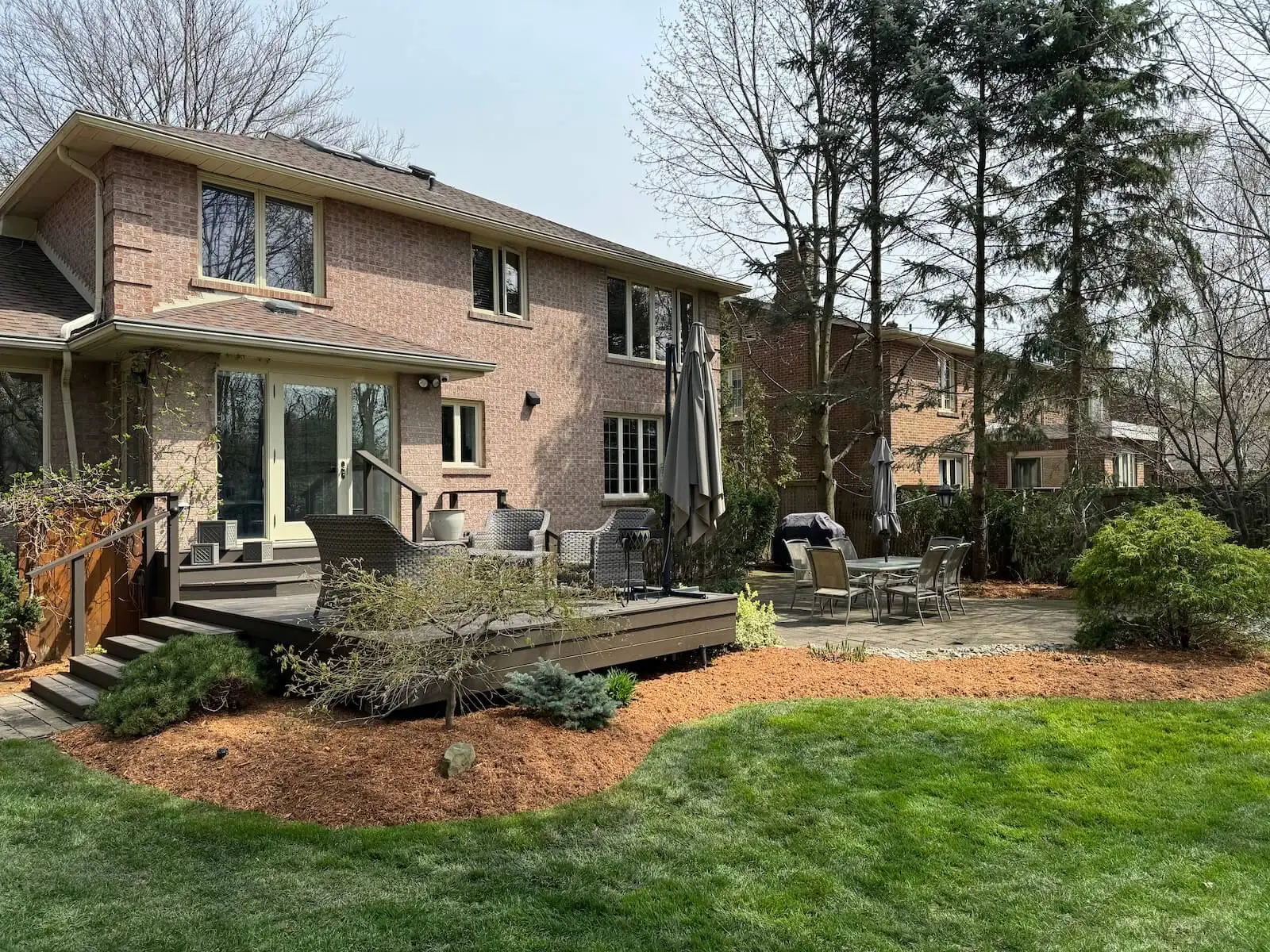
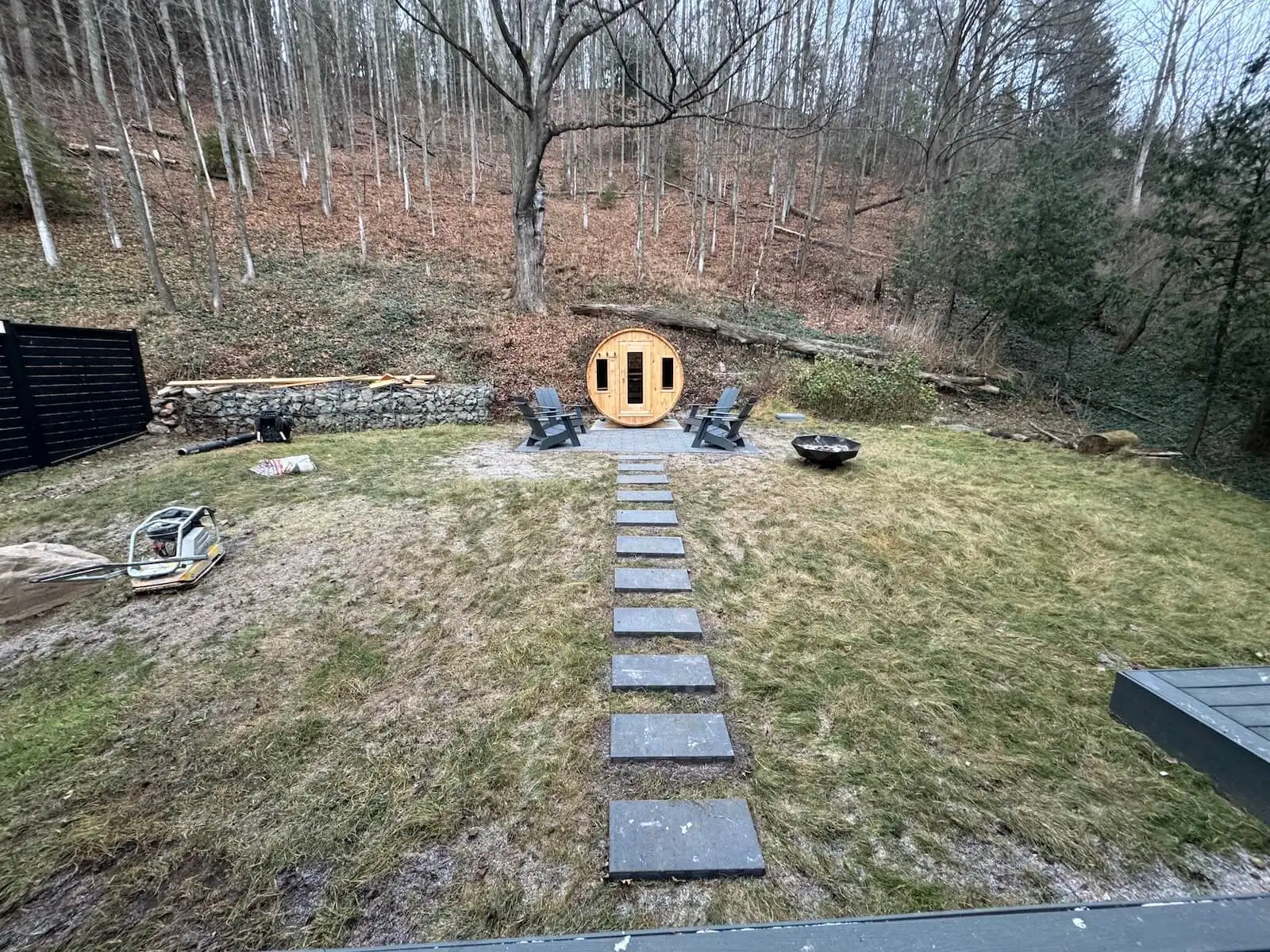
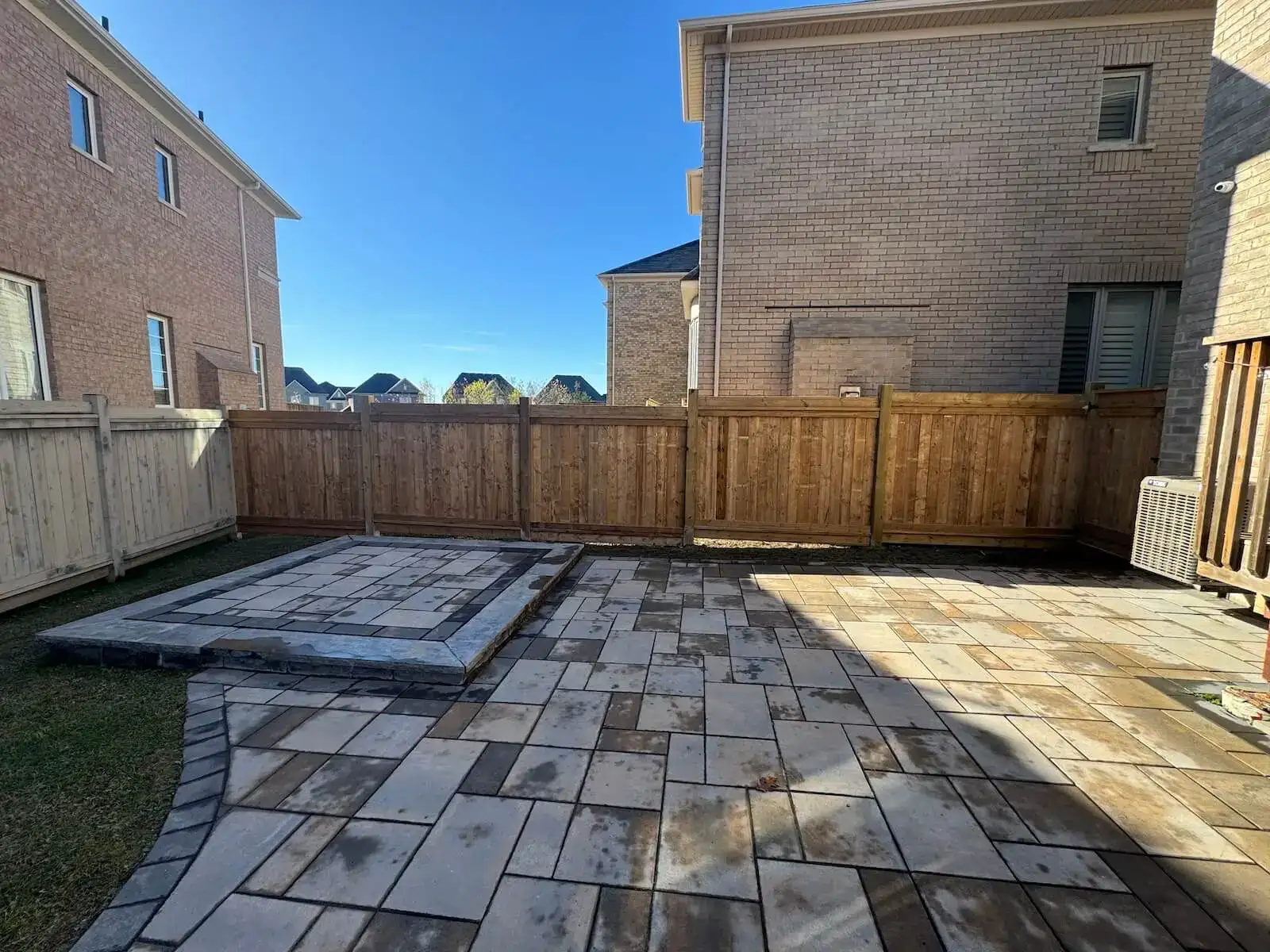
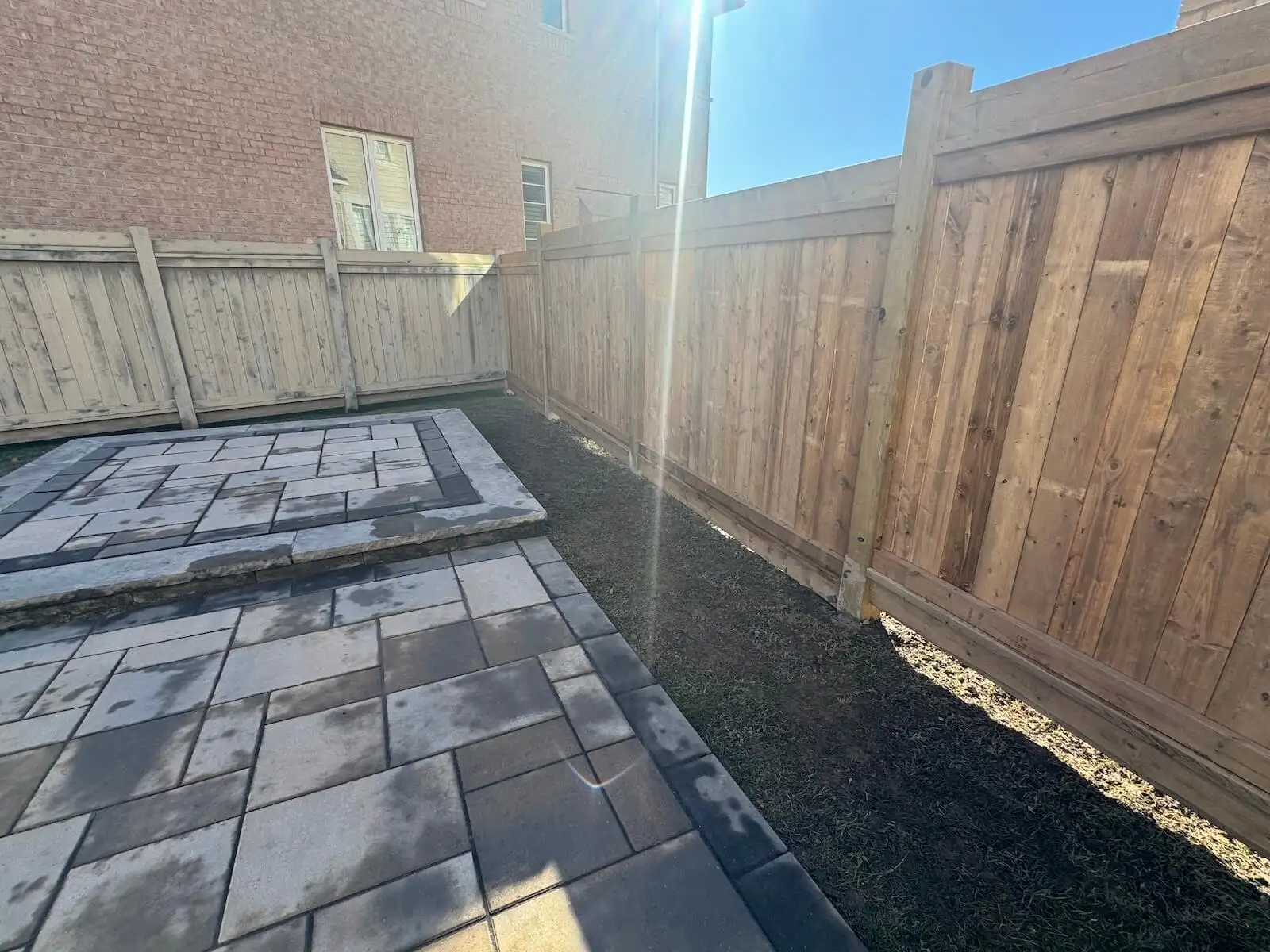
One of the best low-maintenance landscaping moves is to replace vegetated areas with hardscaping – the non-plant elements of your landscape. Every square foot of patio, pathway, or deck is a square foot you never have to weed, water, or mow. Think of how much effort you save by swapping some lawn for a stone terrace or a gravel walkway. Less lawn equals less work, plain and simple. Hard surfaces like pavers, bricks, flagstones, or concrete are virtually zero-maintenance (maybe an occasional sweep or rinse) and provide lasting function and beauty. You can use hardscaping to create inviting outdoor living spaces – for example, a patio for dining, a fire pit area with seating, or a wide garden path for strolling. These features not only cut down on yard chores, but also encourage you to actually use and enjoy your yard more.
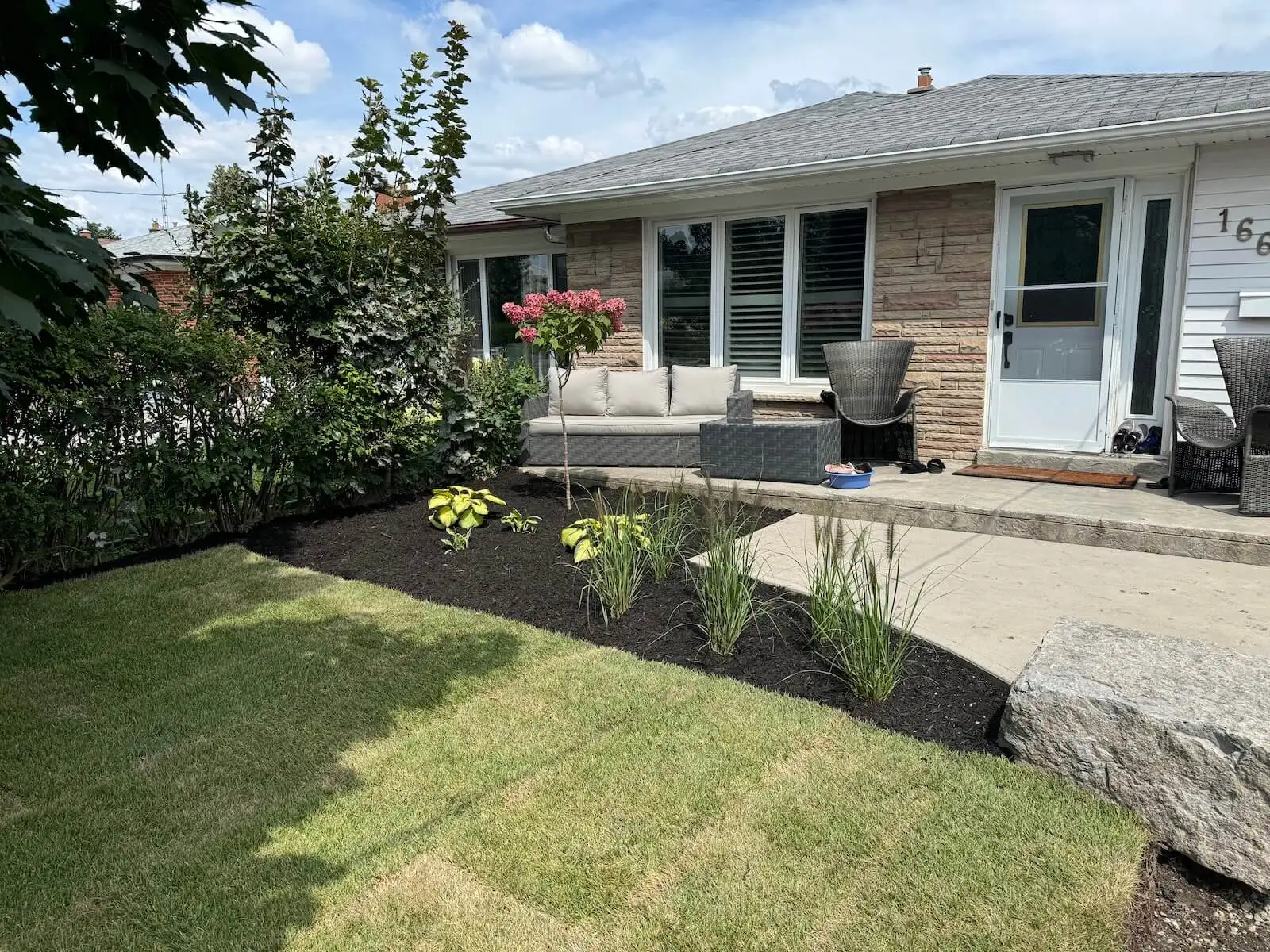
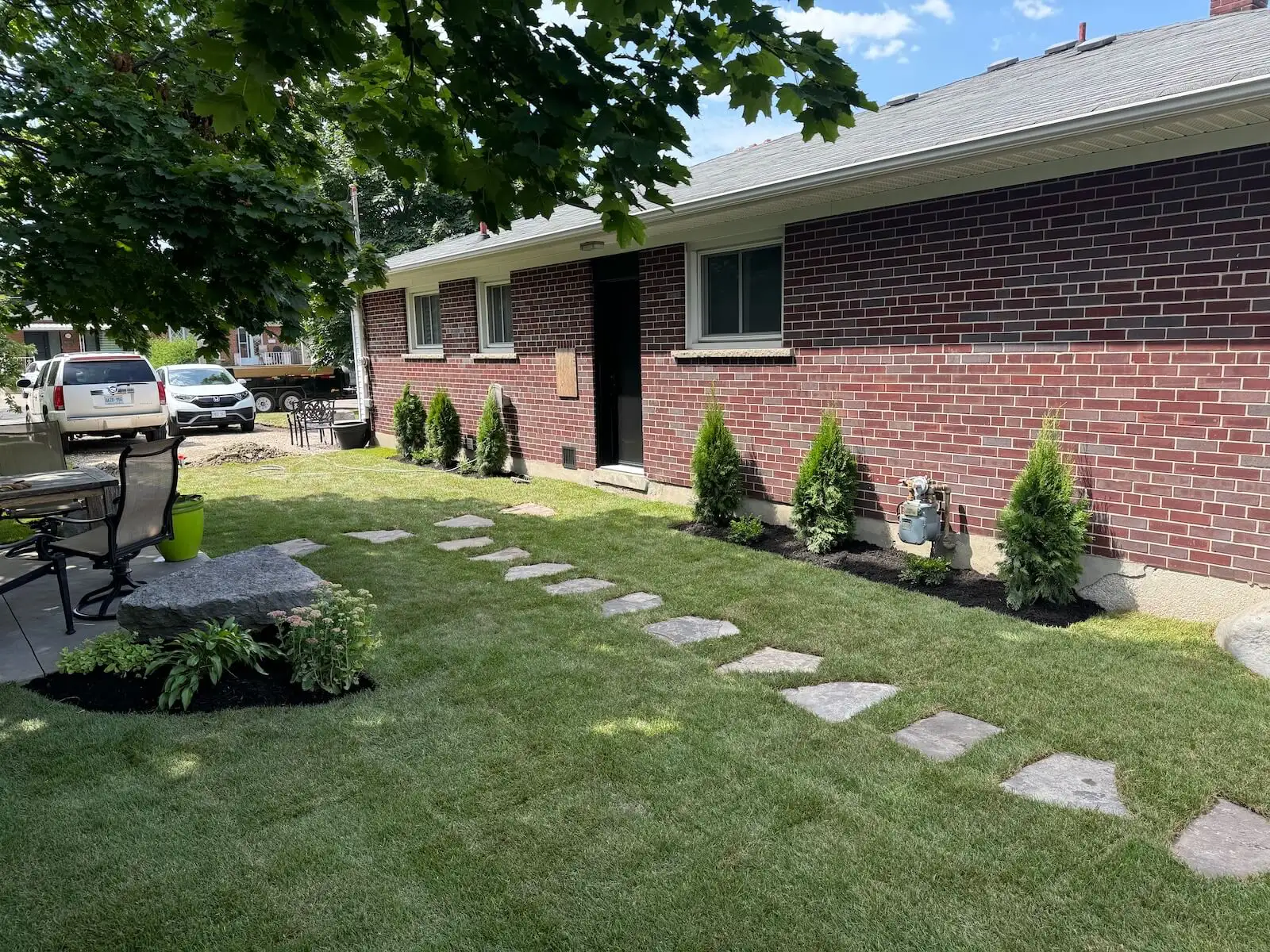
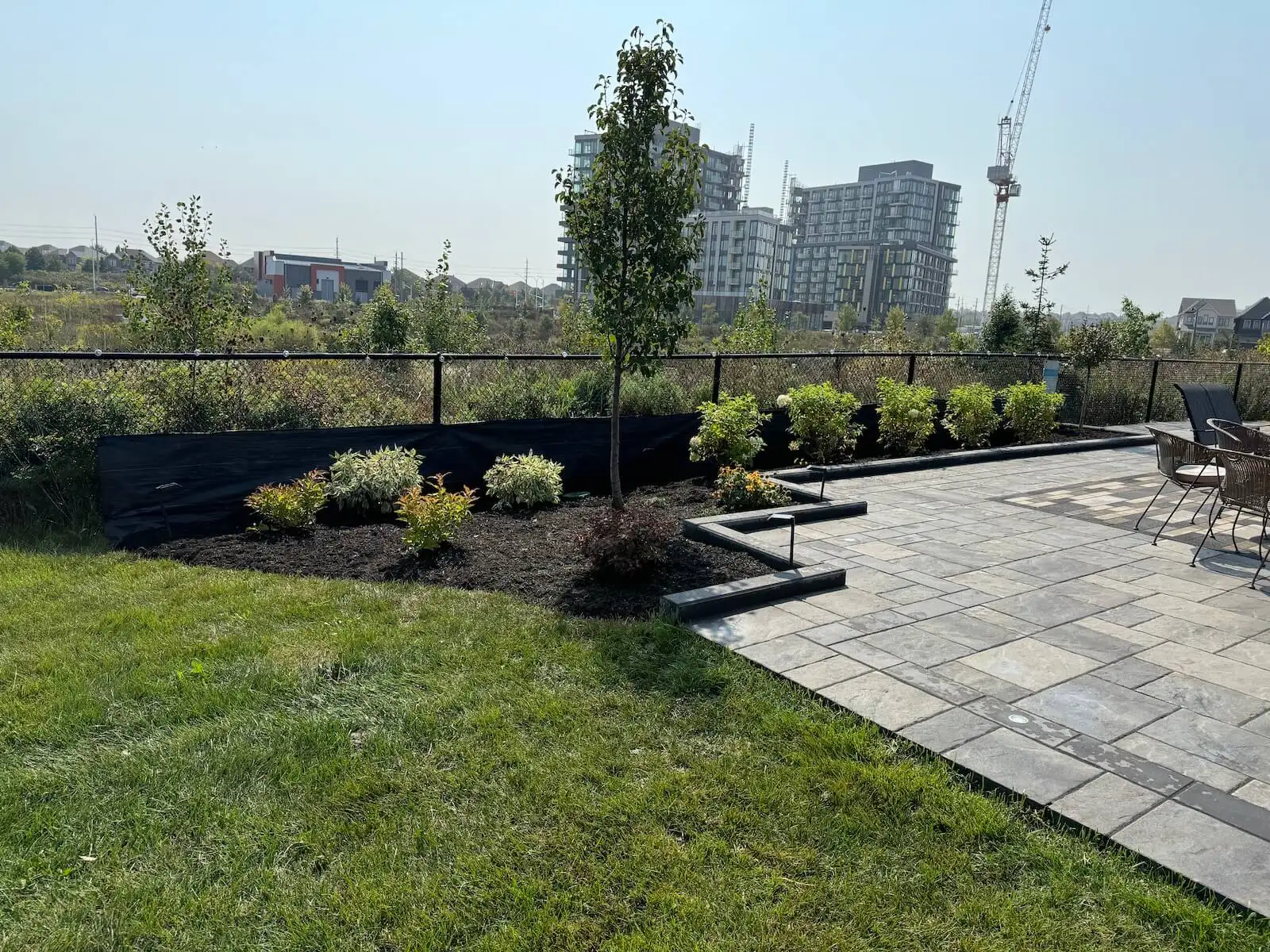
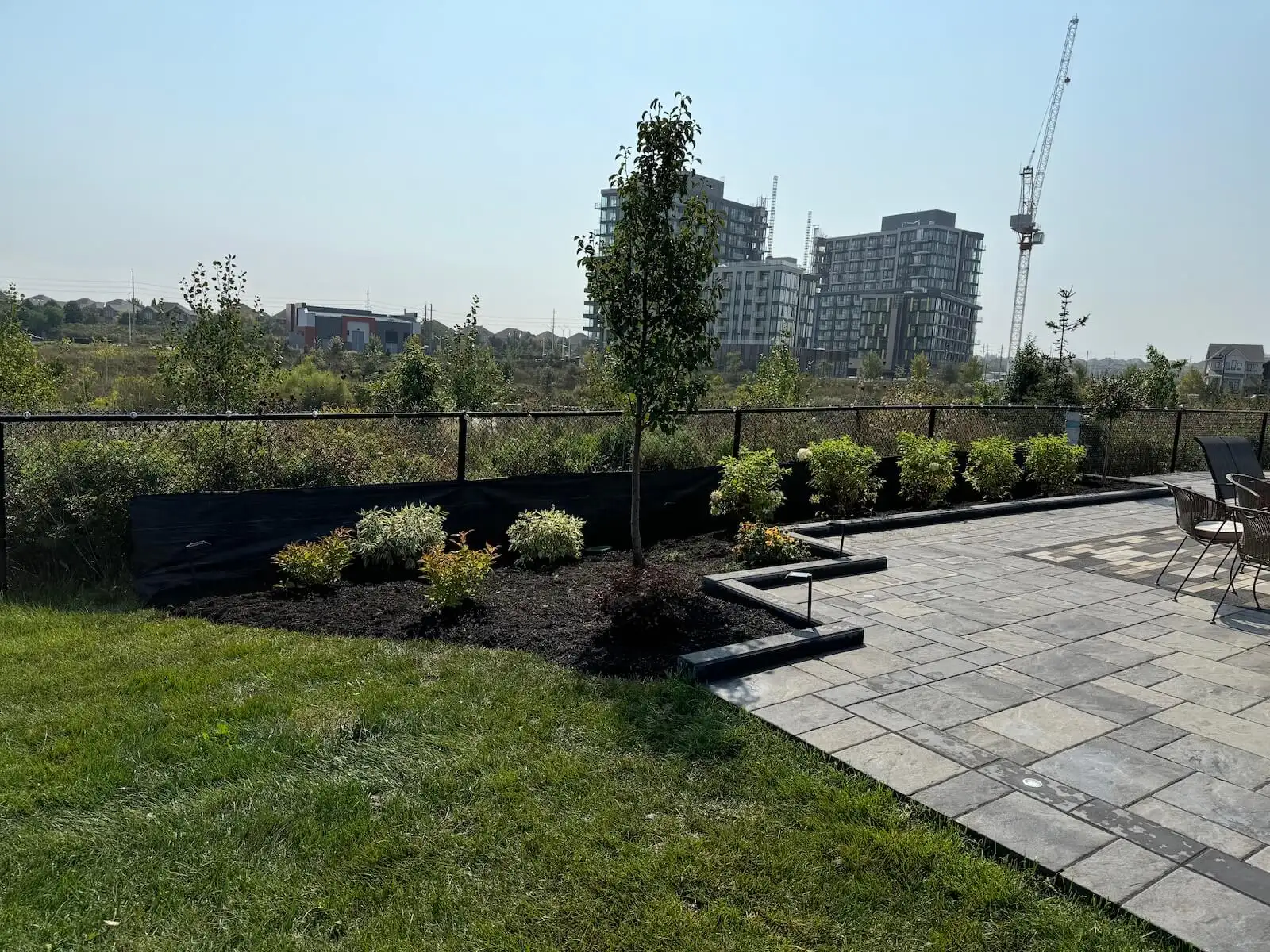
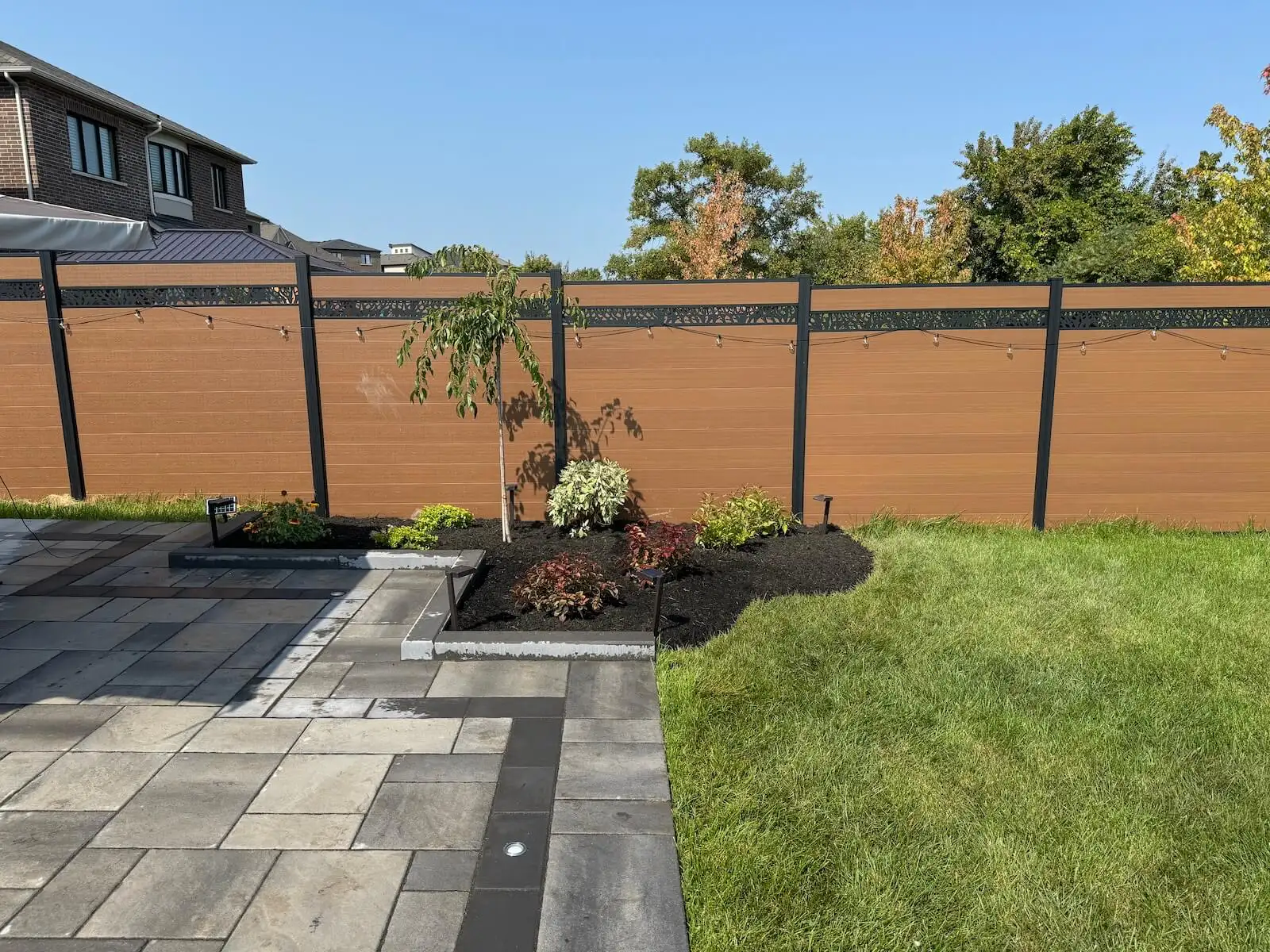
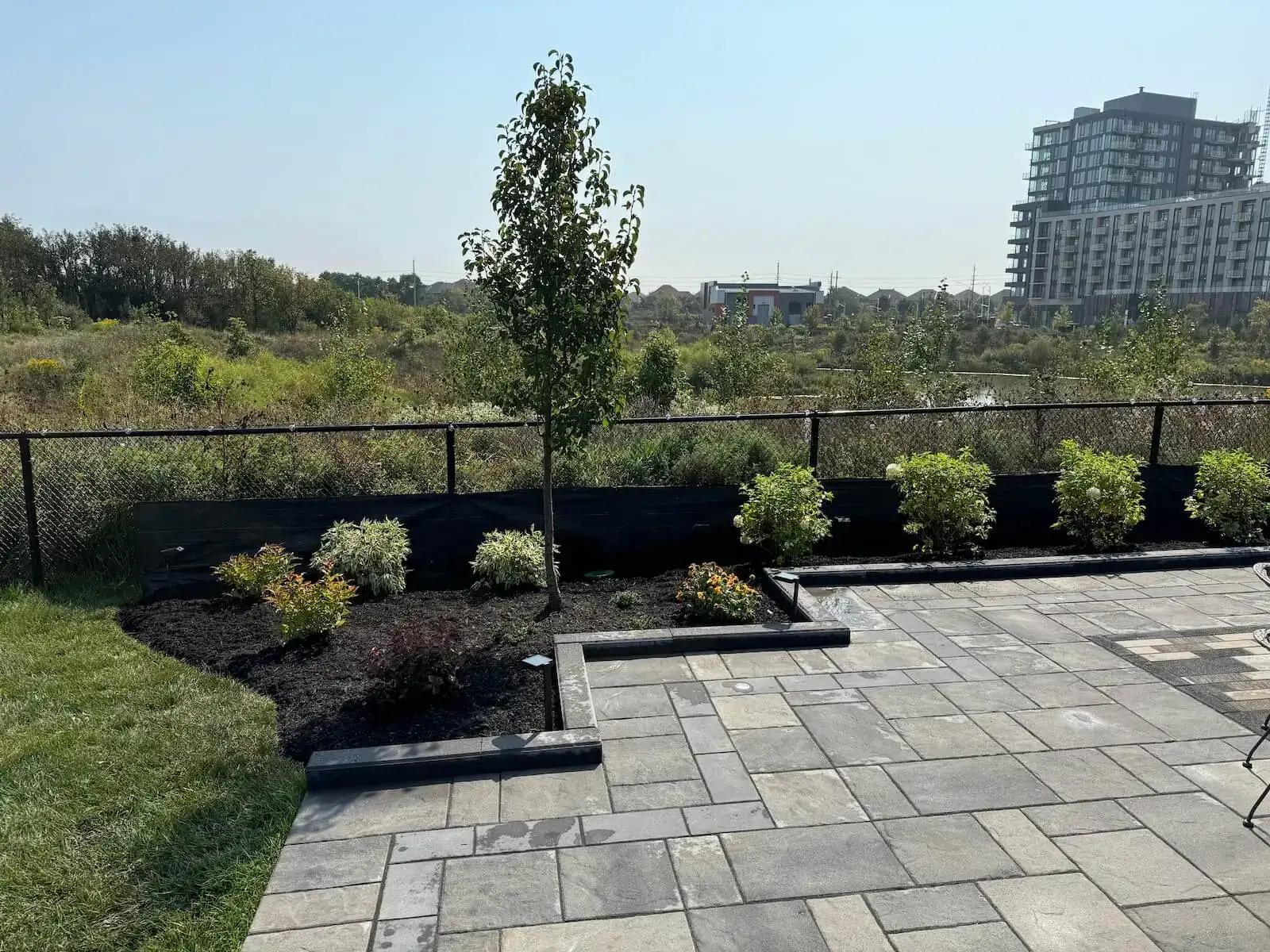
Stone patio and gravel beds = less mowing: Replacing portions of lawn with hardscaping elements like patios, stone walkways, or pea-gravel beds drastically lowers maintenance needs. Such features never need watering or cutting, and they can add useful living space to your yard. Hardscapes also help with yard problems like erosion control and muddy areas – for instance, a flagstone path through a frequently trodden route will prevent bare patches in the grass. When planning hardscape, choose materials that fit your budget and style. Large natural stone pavers create a high-end look but can be pricey, whereas crushed gravel is very budget-friendly and effective for covering ground. Even a simple mulch or bark path can serve as an inexpensive walkway that blends into a garden. By thoughtfully adding hardscape features, you’ll spend far less time weeding and edging – and more time relaxing on that lovely patio.
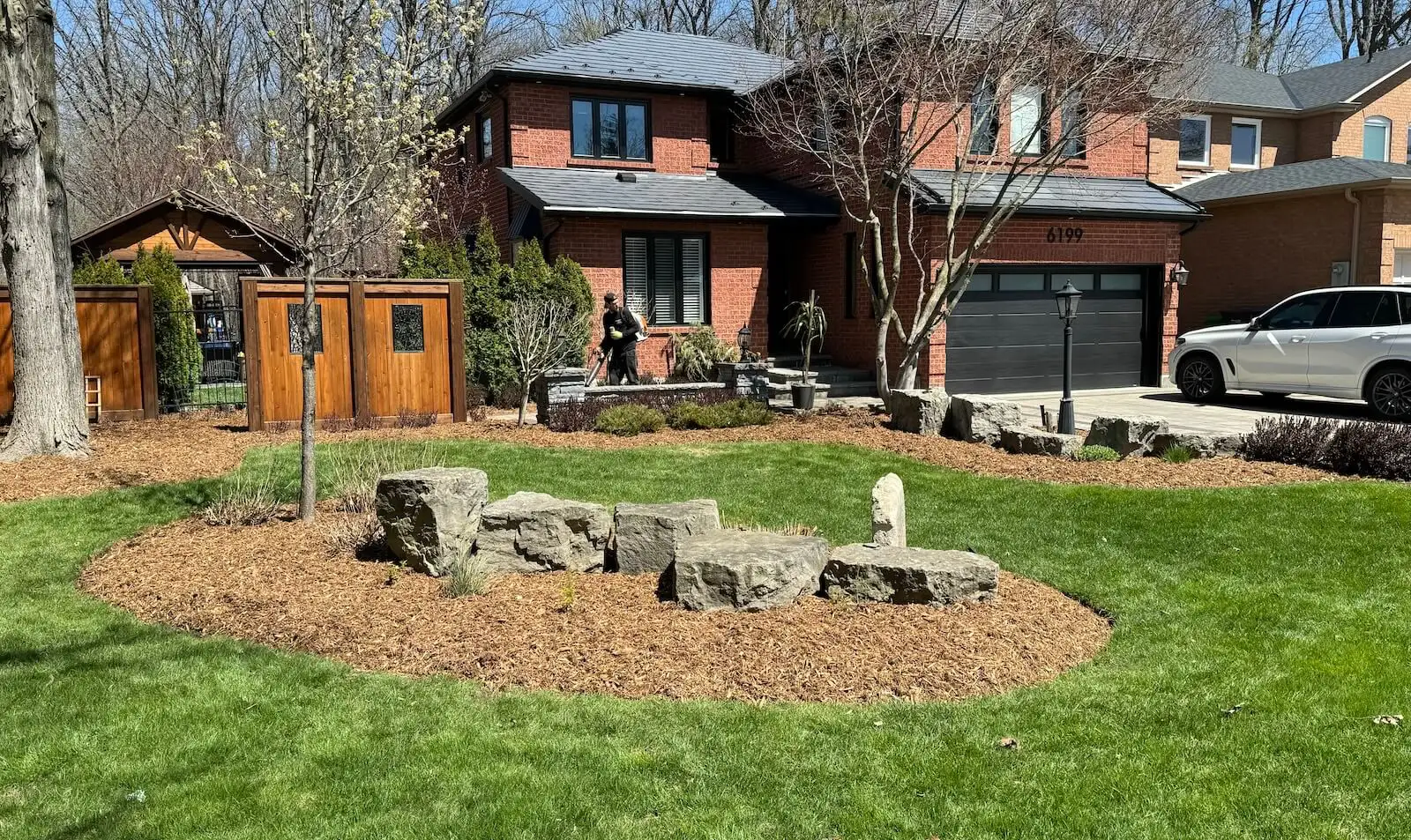
Don’t forget decorative hardscaping options as well. Rock gardens, for example, are striking and essentially maintenance-free. By arranging an area with decorative stones, boulders, and a few drought-hardy plants, you create a focal point that never needs mowing, trimming or much care at all. Similarly, features like a dry creek bed (a trench of rocks mimicking a stream) or a gravel “zen” garden can fill space attractively with negligible upkeep. These elements are perfect for those tricky spots where plants struggle or for adding visual interest without adding workload.
5. Use Mulch to Control Weeds and Conserve Moisture
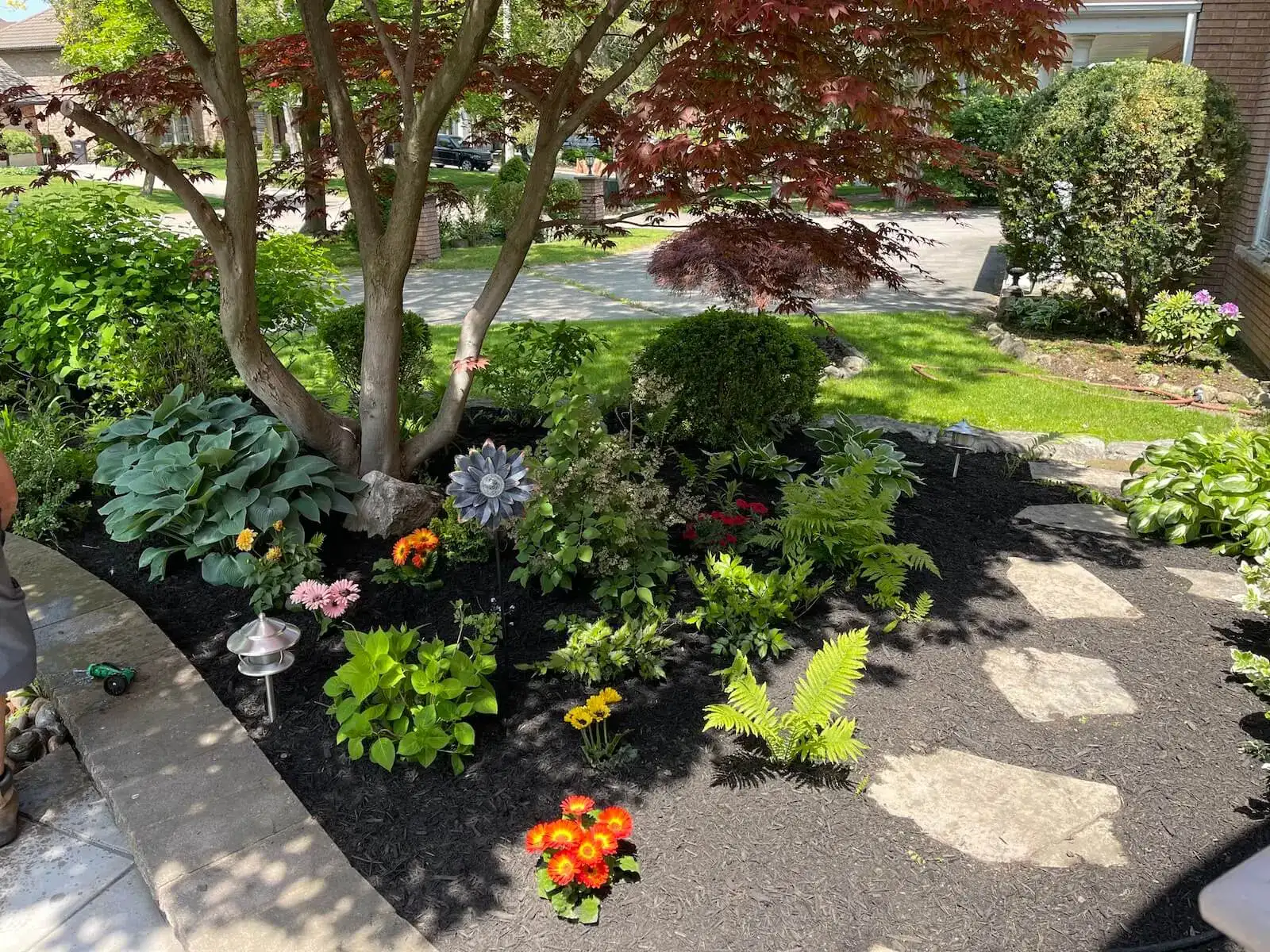
Mulch is a low-maintenance landscaper’s secret weapon. Spreading a generous layer of mulch over your soil (around trees, shrubs, and in flowerbeds) can drastically cut down on weeding and watering. How? The mulch layer blocks sunlight from reaching weed seeds, which prevents them from germinating. It also acts like an insulating blanket for the soil, keeping moisture in the ground longer so you don’t have to water as often. In fact, a 2 – 3 inch layer of mulch can reduce evaporation and keep soil damp days longer than bare earth would. That’s great news for your plants and for your water bill.
There are various mulch materials to choose from. Organic mulches – like wood chips, bark, straw, or shredded leaves – have the added benefit of breaking down slowly and enriching the soil with nutrients over time. They improve soil structure and fertility as they decompose, essentially feeding your garden for free. Plan to top up organic mulch once a year or so, as it will thin out gradually. Inorganic mulches, such as landscape rock, pea gravel, or rubber mulch, last longer and won’t decompose, but they don’t improve the soil. These can be useful in decorative applications or high-wind areas where lighter mulch might blow away. Many gardeners use a combo: for example, stone or gravel in a rock garden area, and wood chips in planting beds.
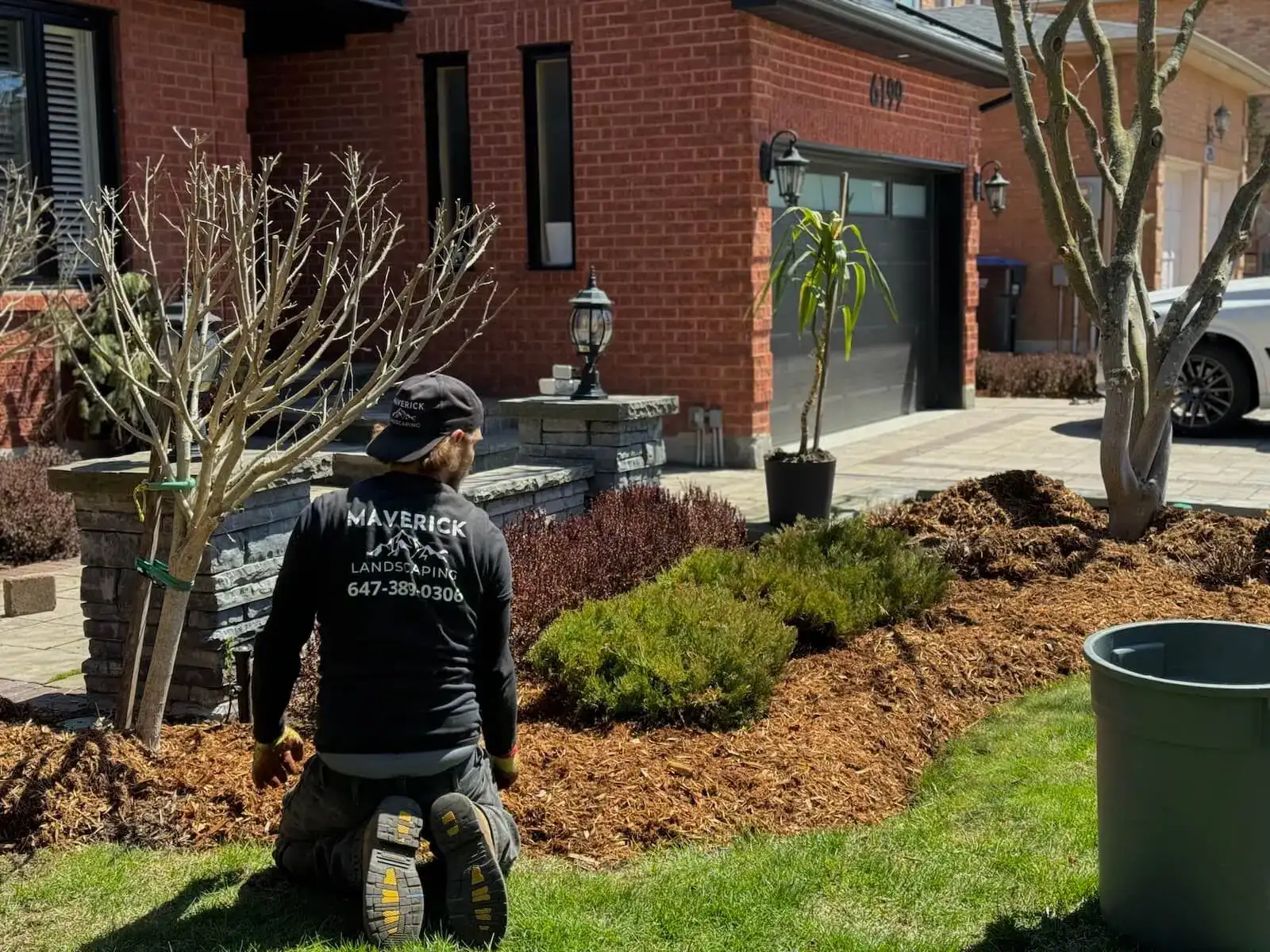
Whichever type you choose, mulch instantly gives beds a neat, finished look while doing the hard work of weed suppression for you. A thick mulch layer can block most weeds from sprouting, and any that do poke through are easier to pull from the loose mulch than from hard soil. Plus, as mulch moderates soil temperature, it protects plant roots from extreme heat and cold. This is especially valuable in Canada’s climate, where insulating roots over winter can help perennials come back stronger. In short, mulching is a simple, cost-effective step that yields big maintenance reductions – your future self will thank you for those fewer weeds and healthier plants!
6. Install Efficient Irrigation Systems
Watering by hand or moving sprinklers around the yard can be one of the most time-consuming garden chores. Upgrading to an efficient irrigation system can save you countless hours and ensure your plants get the right amount of water with minimal waste. One popular low-maintenance option is a drip irrigation system. Drip lines or soaker hoses deliver water slowly and directly to plant roots, which drastically cuts down on evaporation and runoff. Because the water isn’t spraying through the air or covering every bare patch, you won’t be watering weeds or wasting water on sidewalk pavement. Drip systems have been shown to use significantly less water than traditional sprinklers – great for your utility costs and the environment.
Another simple solution is using automatic timers on your hoses or sprinkler system. By automating your watering schedule, you never have to worry about remembering to water (or forgetting to turn the hose off). For example, inexpensive electronic hose timers can be set to water your flowerbeds in the early morning a few days a week, then shut off – all while you sleep in. More advanced smart irrigation controllers can even adjust watering based on weather conditions, preventing overwatering and saving up to 50% of water compared to manual methods, according to studies. In regions with watering restrictions or in hot summer months, this efficiency is invaluable.
While installing an underground sprinkler or drip system has an upfront cost, it pays off in the long run by reducing water waste and labor. Many homeowners find that a well-designed irrigation system leads to healthier plants (since they’re watered consistently) and fewer instances of disease (watering at soil level keeps foliage dry, preventing fungus). In a nutshell, smart watering tech ensures your garden gets exactly what it needs with minimal oversight from you. Once it’s in place, you’ll gain back time and likely notice lower water bills to boot – a true win-win for low-maintenance landscaping.
7. Pick Low-Maintenance Trees and Shrubs
If you have the space for trees or shrubbery in your yard, choose varieties that won’t turn into a huge headache down the road. The best low-maintenance trees and shrubs will be those that naturally have manageable size, resist pests, and don’t constantly drop debris.
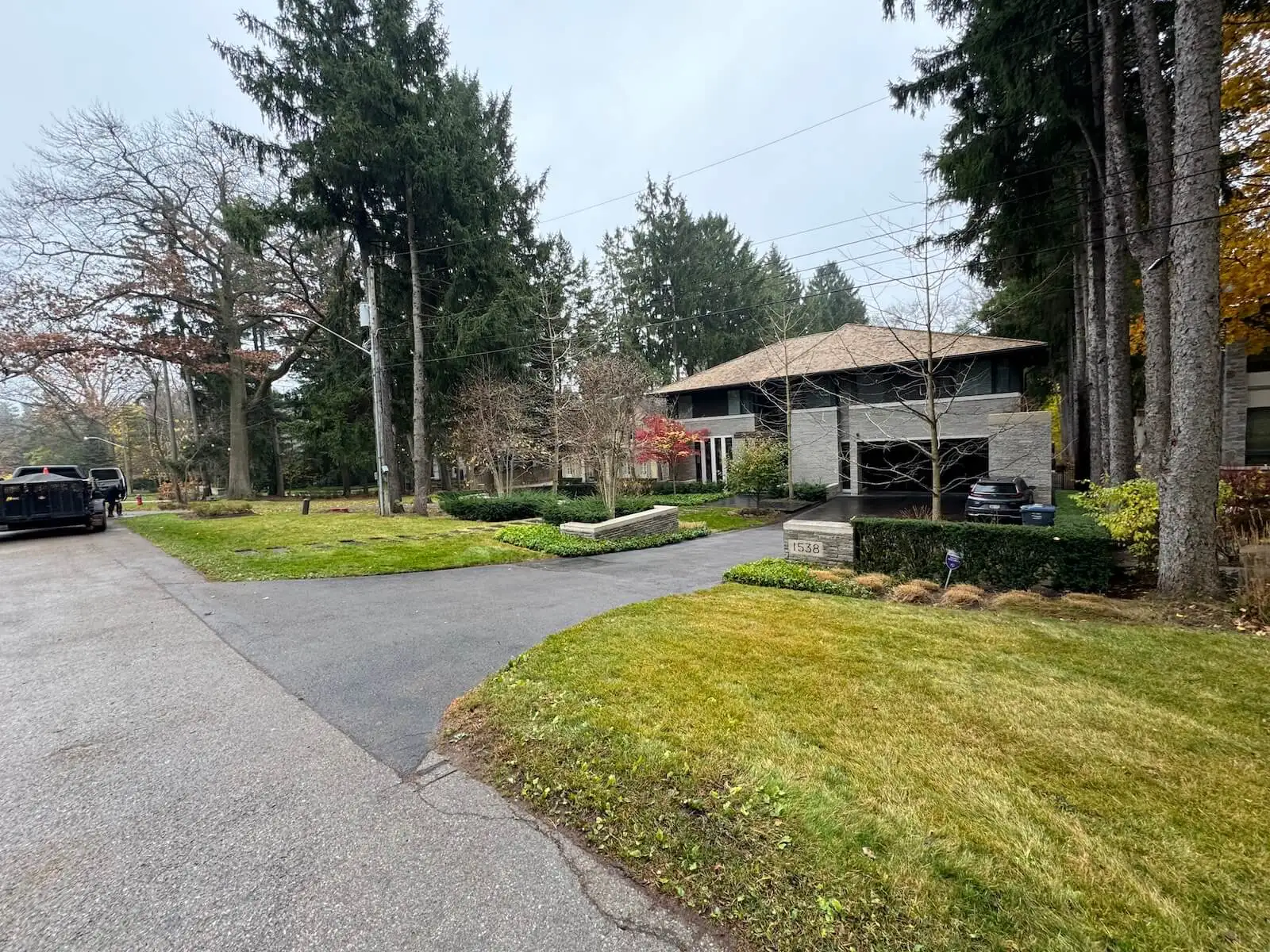
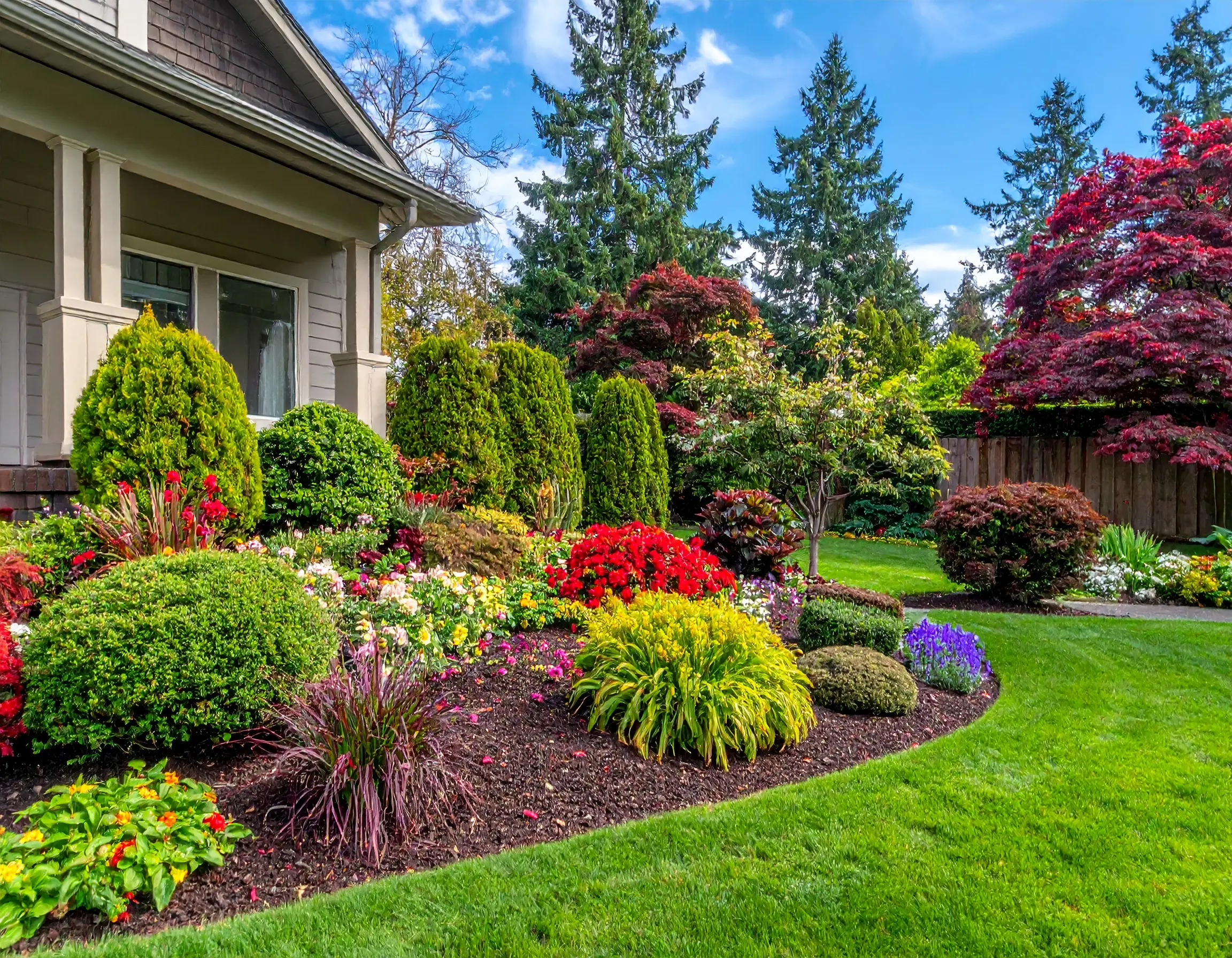
For instance, many flowering shrubs and evergreens are relatively self-sufficient once established. In southern Canada, popular easy-care shrubs include hydrangeas (which provide big blooms with just some watering) and junipers or boxwoods (which keep a neat form year-round with little to no pruning). These plants add structure and curb appeal to your landscape without demanding much in return – occasional trimming and seasonal fertilizer at most.
When it comes to trees, consider the eventual size and maintenance needs of any species you plant. Fast-growing, messy trees can litter your yard with seed pods, fruits, or branches that you’ll have to constantly clean up. Instead, look for hardy ornamental or shade trees known for low upkeep.
For example, a small Japanese maple or serviceberry can provide beautiful foliage and maybe a bit of spring flower/fruit interest without overwhelming maintenance. On the larger side, native trees like Eastern redbud or silver maple are praised as low-maintenance choices – they tolerate different weather conditions and require little pruning once they’re mature. These kinds of trees generally have strong resistance to local pests/diseases and won’t need coddling.
Placement of trees and shrubs is also key to minimizing effort. Plant trees a safe distance from your house and plumbing lines, so you won’t be forced into heavy pruning or root management later. Grouping shrubs that have similar water and sunlight needs will make caring for them much easier (and can consolidate your watering zones).
Additionally, consider removing any existing plants that are “high-maintenance” by nature. Invasive species, for example, will spread aggressively and create more work for you as you constantly hack them back. Likewise, if a tree on your property is constantly dropping messy fruit or is prone to pests, it might save you stress to replace it with a more low-key variety. The bottom line: thoughtful selection (and occasional removal) of woody plants keeps your landscape easy to manage for years to come.
8. Consider Raised Beds and Container Gardens
If you enjoy gardening but want to avoid some of the backache and labor, raised garden beds and container gardens can be fantastic low-maintenance solutions. Raised beds are essentially large planting boxes filled with soil, and they offer a controlled environment for your plants. Because they are elevated and often enclosed by wood, stone, or metal sides, raised beds come with a few maintenance perks: they have better drainage, they’re less prone to weeds encroaching from surrounding areas, and they’re easier to reach without stooping all the way to the ground.
By confining your vegetable or flower gardens to raised beds, you can dramatically cut down on weeding (especially if you lay landscape fabric or cardboard at the bottom) and make any necessary digging or harvesting much simpler on your body. They are especially useful for herb or veggie gardens – you can grow kitchen produce without the usual hassle of tilling a large ground plot.
Containers and potted plants take a similar approach of giving you more control. Instead of planting every single shrub or flower in the ground, try using some large pots, planters, or window boxes for your landscaping accents. Potted plants have the advantage of mobility and concentrated care – weeds are virtually nonexistent in pots, and if a plant isn’t doing well in one spot, you can move the pot to a better location (more sun, more shade, etc.) in a snap.
For instance, you might keep a trio of potted evergreens on your patio for year-round greenery, or a rotating display of seasonal flowers in porch planters. They’ll give you the color and interest of a flowerbed with far less maintenance and zero in-ground digging. As a bonus, containers can be brought indoors or into a sheltered garage over winter if needed, allowing tender perennials to survive and sparing you from replanting them next year.
To keep container gardens low maintenance, choose larger pots (they hold moisture longer, so you water less often) and use a quality potting mix that retains water. Self-watering planters are also a great investment – they have reservoirs that reduce how frequently you need to water. Grouping pots together can create a lush look and makes it easier to irrigate them all at once. Overall, integrating a few raised beds or containers into your landscaping design can reduce weeding and watering efforts, all while keeping gardening enjoyable and accessible.
9. Plan and Design with Maintenance in Mind
Perhaps the ultimate key to “the best” low-maintenance landscaping is smart planning from the start. Think about how you want to use your yard and how much time you realistically want to spend on upkeep. Then design your landscape accordingly. For example, if you rarely use your front lawn except to mow it, why not replace or shrink it as discussed earlier? If you know you want outdoor living space, plan a patio or deck that will be easy to care for.
Grouping plant types by their needs (all the drought-tolerant plants in one sunny, dry spot, moisture-loving plants in a low shady spot, etc.) will make irrigation simpler and prevent extra work trying to cater to conflicting needs. Also consider accessibility: installing edging around flowerbeds, or paths between garden rows, will make it easier to perform the occasional maintenance task without trampling plants or struggling with equipment.
When designing, it also helps to keep things simple. Limit the variety of plants in your yard – a few well-chosen species repeated throughout can be stunning and much easier to manage than a hodgepodge of dozens of different plants. A simpler palette means you can learn the care for those few types very well, and many modern landscape designs embrace the elegance of repetition (for instance, a row of identical shrubs or a mass planting of one type of perennial).
Similarly, opt for quality over quantity. It’s better to have a few hardy, thriving plants than a yard stuffed with delicate ones struggling to survive. Don’t be afraid to remove or avoid plants that are known divas! Your landscape can be lower maintenance simply by having less in it – more open space or a few statement pieces rather than constant beds of flowers.
Finally, consider some sustainable, time-saving tricks. Rain barrels, for instance, can collect free water for your garden (and using them means you haul the hose out less often). Encouraging natural pest predators – like setting up a birdhouse or ladybug-friendly plants – can reduce how much you need to intervene with pest control. Even gadgetry like robotic lawn mowers or solar garden lights can automate tasks that used to require your effort. By planning your landscape with an eye toward long-term ease, you set yourself up for success. The best low-maintenance yard isn’t an afterthought – it’s intentionally crafted to be beautiful and hassle-free from day one.
Conclusion: Enjoy a Beautiful Yard With Less Work
A lush, attractive landscape that doesn’t eat up your weekends – that’s the dream of low-maintenance landscaping. By applying the ideas above – choosing hardy native plants and perennials, reducing lawn in favor of groundcovers and hardscape, mulching generously, and using efficient irrigation – you can dramatically cut down the work needed to keep your yard looking great.
Many of these changes also bring cost savings: you’ll spend less on water, less on replacement plants, and maybe even less on professional yard services, all while enjoying a yard that suits your lifestyle. In one real-world example, a Toronto homeowner replaced a traditional thirsty lawn with drought-tolerant plants, decorative gravel, and a drip irrigation system, reducing their water use by 50% and virtually eliminating weekly maintenance. This shows how a smart low-maintenance design can pay off in both time and money saved.
In the end, the “best” low-maintenance landscaping for you will be one that balances beauty with practicality. It’s about making strategic choices: plant the right things in the right places, and swap high-upkeep features for easy-care ones. Your yard will soon be thriving with minimal intervention, and you’ll be free to enjoy it rather than constantly work on it.
Whether you live in a busy Canadian city like Mississauga or a rural area, these principles hold true – you can have an enviable garden that mostly takes care of itself. By investing a bit of thought now into a low-maintenance design, you set yourself up for years of relaxed outdoor living in a yard that stays gorgeous with little effort. So go ahead and transform your landscape – then sit back, relax, and watch your easy garden grow!