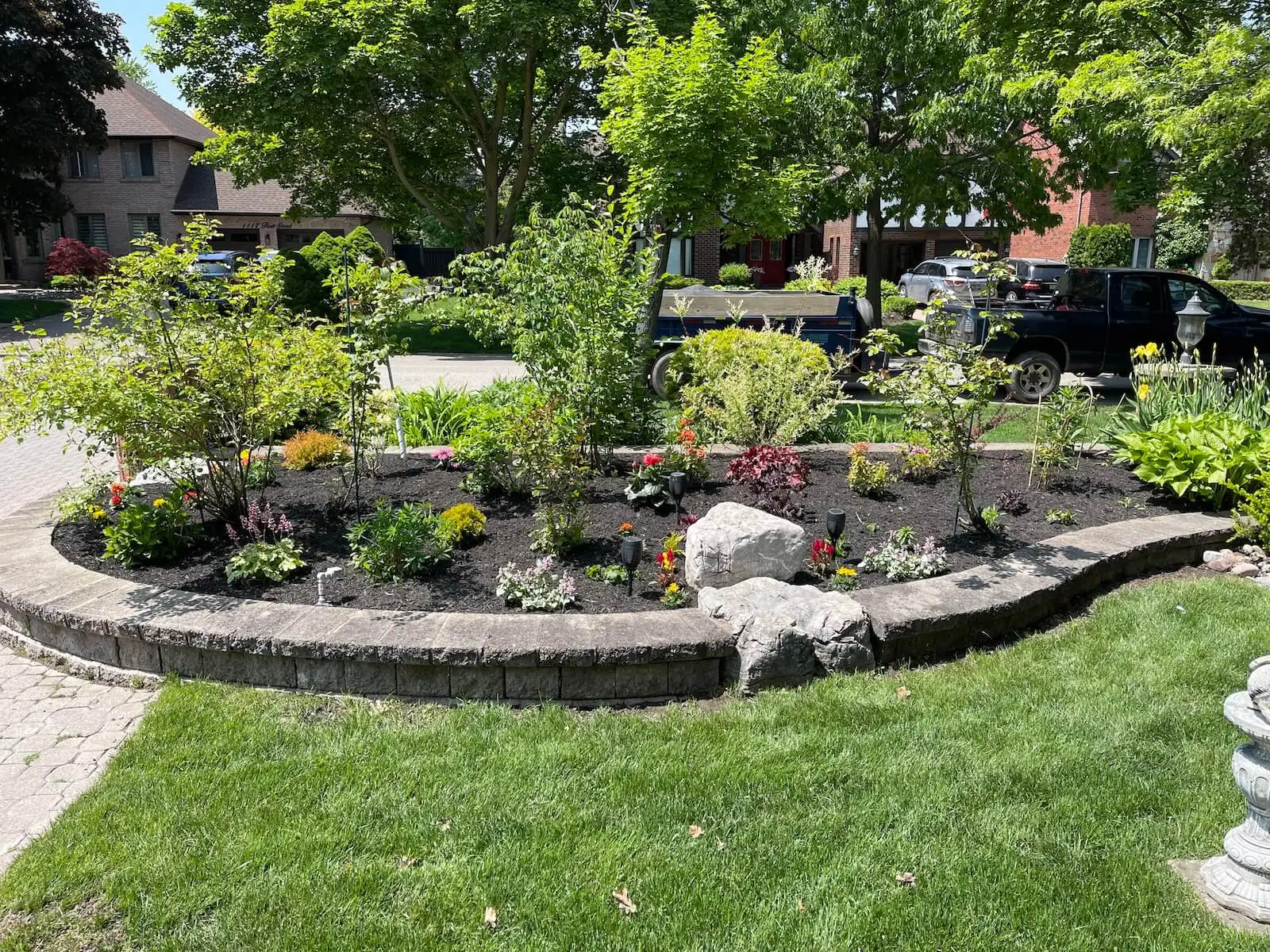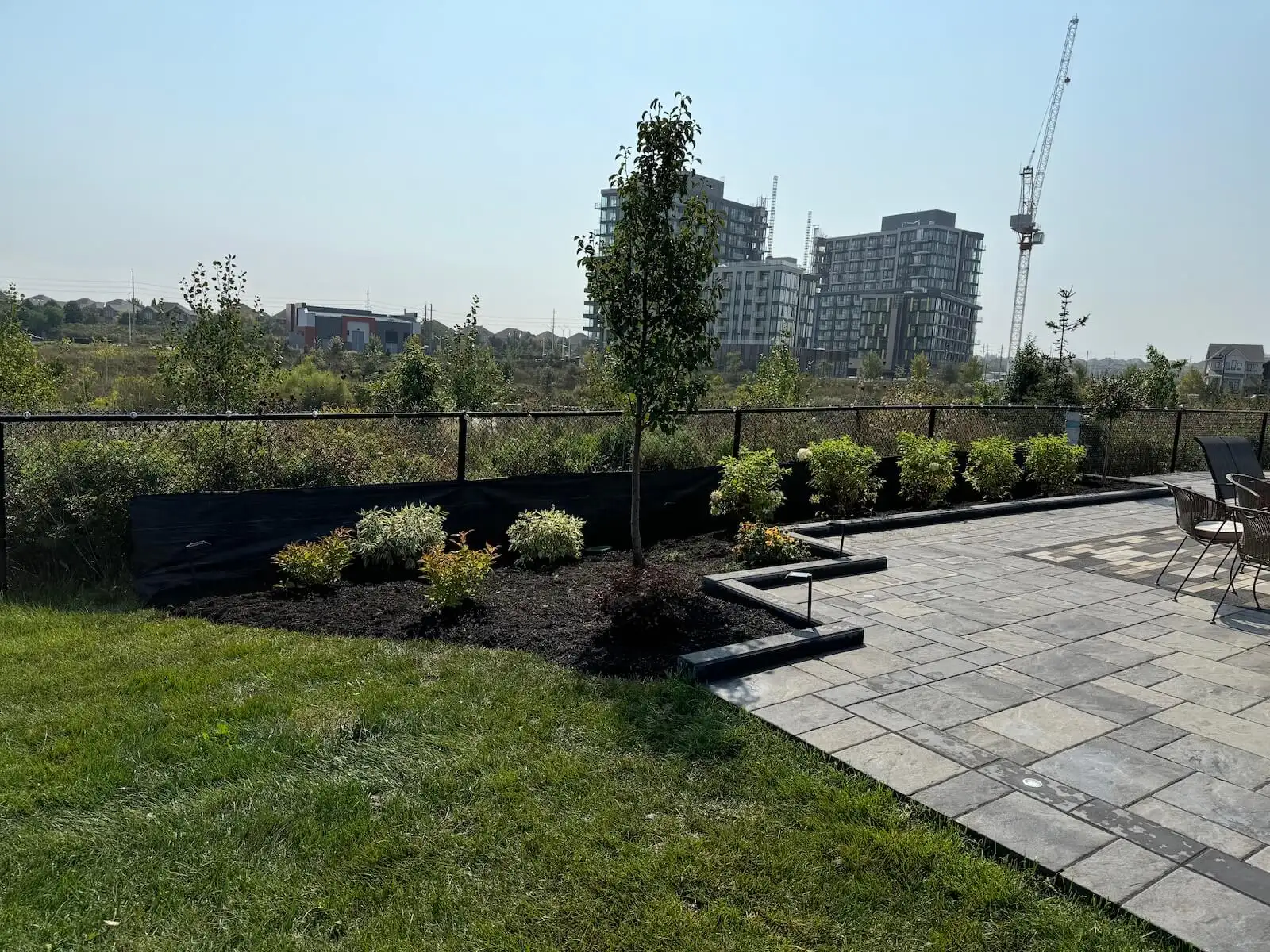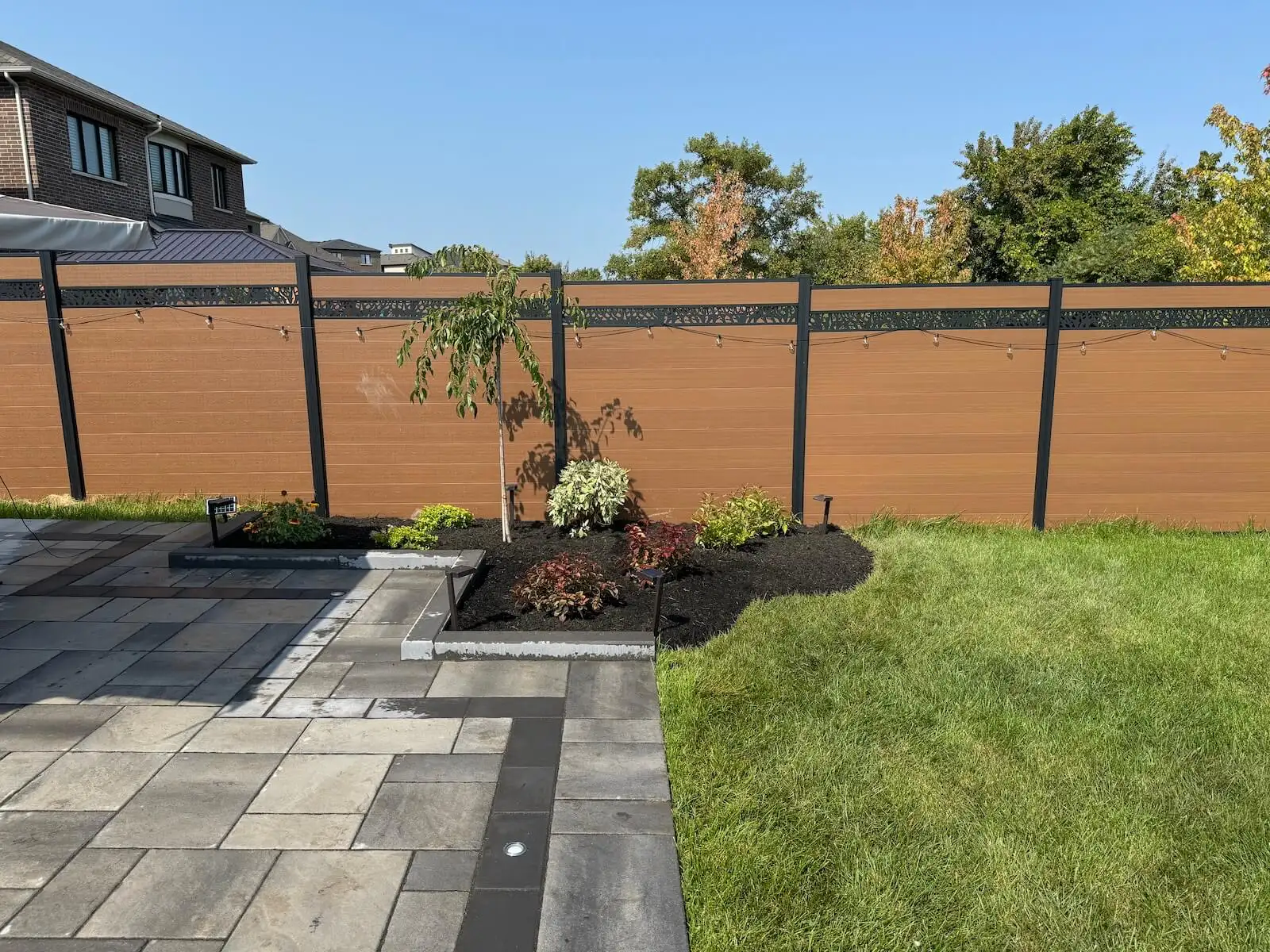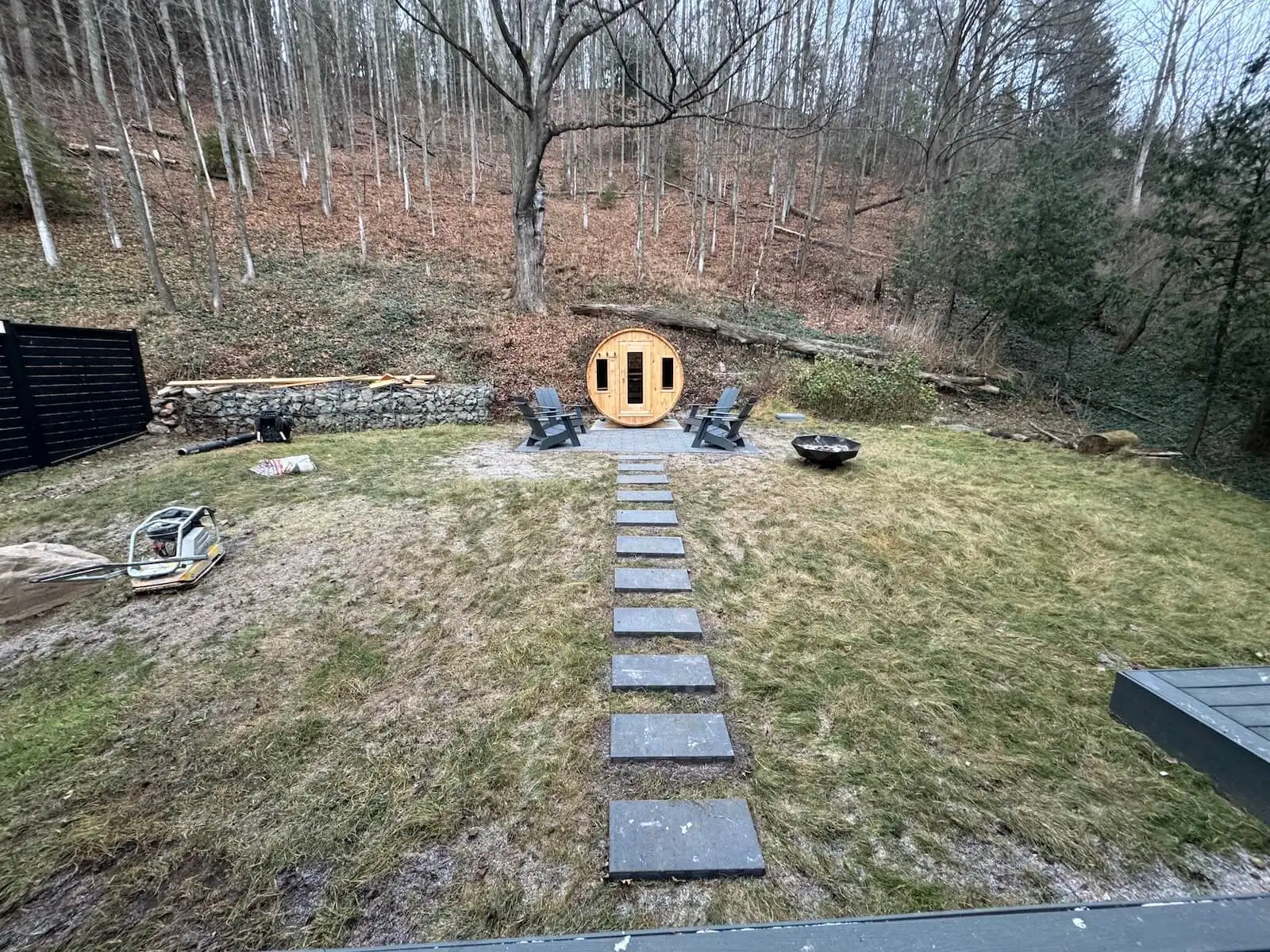









Retaining walls are popular landscaping improvements for Ontario homeowners – they can tame sloped yards, prevent soil erosion, and add attractive terraced garden space.
However, installing one is a significant project, and costs can vary widely. In Ontario, retaining wall projects typically range from about $40 up to $150 per square foot of wall face, depending on materials, wall size, and site conditions.
Common Types of Retaining Walls and Their Costs
The material you choose for your retaining wall is one of the biggest cost drivers. Below we overview the most common types – concrete blocks, natural stone, timber (wood), and poured concrete – along with typical price ranges. (All cost ranges are per square foot of wall face.)
Concrete Block Retaining Walls
Concrete blocks (including interlocking segmental retaining wall blocks) are a popular choice for their durability and modular design. They come in various styles (from basic cinder blocks to decorative interlocking blocks) that stack together to form gravity walls.
- Professional installation cost:
Approximately $60 – $100 per sq. ft. in Ontario. This price includes the blocks, gravel base, backfill, drainage pipe, and labor. At the lower end are simpler cinder block walls, while high-end block systems or difficult installations fall on the higher end.
- DIY cost:
Roughly $15 – $30 per sq. ft. (materials only). Individual concrete blocks typically cost $5 – $15 each, and you’ll also need crushed stone for the base, backfill gravel, and possibly geogrid reinforcement. For example, interlocking wall blocks might run about $10 per sq. ft. of wall area for the blocks themselves. Adding drainage pipe and geotextile fabric may add a few dollars per sq. ft. If you build it yourself, your “sweat equity” replaces the labor cost – but be prepared for heavy lifting and meticulous leveling of each course.
Concrete block walls are DIY-friendly for small walls, since blocks are designed to lock together without mortar. Just keep the wall height modest (under 1 m) unless you have engineering guidance. Proper installation is key – you’ll need a solid compacted gravel base and drainage behind the wall to ensure longevity. When built correctly, block walls are very long-lasting (often 20+ years with minimal maintenance).
Natural Stone Retaining Walls
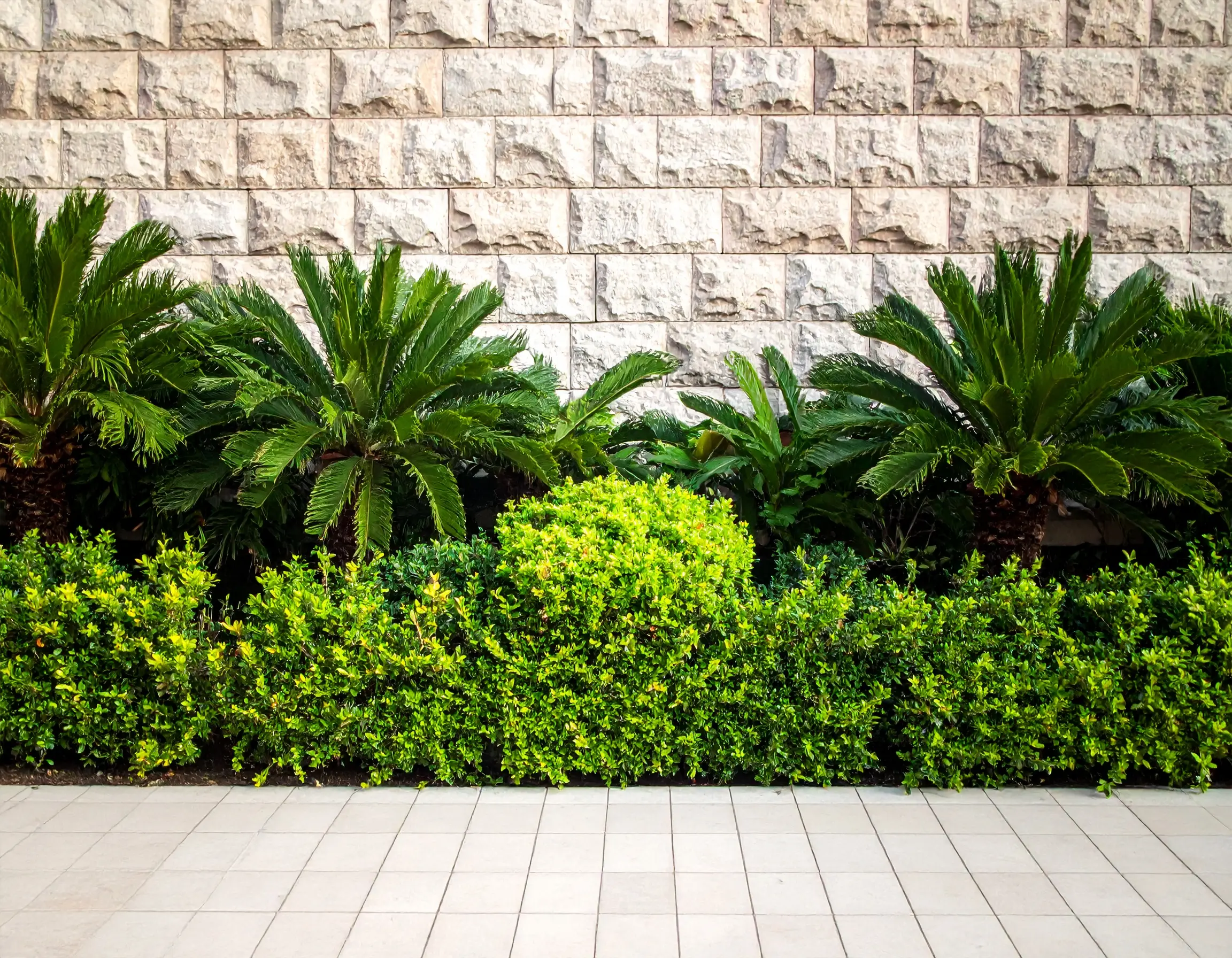
Natural stone walls offer a timeless, high-end look using materials like fieldstone, limestone, or granite boulders. They can be dry-stacked (no mortar) or mortared for a more structural wall. In Mississauga’s landscape, natural stone often blends beautifully but comes at a premium cost due to the materials and labor involved.
- Professional installation cost:
About $80 – $150 per sq. ft. for natural stone in Ontario. This is the most expensive option, reflecting both the high cost of stone and the labor-intensive installation. Each stone must be selected and fitted, and larger boulders may require equipment to place. If a structural engineered stone wall is needed, costs can be on the upper end of this range.
- DIY cost:
Approximately $20 – $50 per sq. ft. (materials only), depending on the stone. High-quality landscape stone can cost $25 or more per sq. ft. just to purchase, though some homeowners save money by sourcing local stone or using smaller rocks for a low garden wall. Dry-stacking flat stones (like flagstone or limestone chunks) can be done DIY for short walls, but it’s like assembling a puzzle – it requires patience and an eye for fit. Heavy boulders or tall stone walls usually need professional equipment and expertise.
Tip: If you love the look of stone but need a budget-friendly alternative, consider a gabion wall (wire cages filled with rocks). Gabion retaining walls offer a rustic stone aesthetic at lower cost – often $21 – $42 per sq. ft. installed. Gabions are relatively DIY-friendly (you fill metal baskets with rock) and have great drainage, though they do have a more industrial look.
Natural stone walls are prized for their beauty and can last for decades, but be sure to include proper drainage and a good base. Poorly installed stone walls may shift or bulge over time. Given the high material cost, you don’t want to rebuild one due to avoidable mistakes.
Timber (Wood) Retaining Walls
Timber retaining walls are commonly built from pressure-treated lumber (such as 6×6 timbers) and are one of the more affordable options. Wood walls are popular for garden terraces and yard borders, offering a warm, natural appearance that blends with landscaping. However, they have a shorter lifespan than masonry walls – typically 20 to 30 years before rot and weathering necessitate replacement.
- Professional installation cost:
Around $40 – $60 per sq. ft. for pressure-treated wood walls. Wood is generally the cheapest retaining wall material upfront. For example, a 140 sq. ft. (13 m²) timber wall might cost on the order of $14,000 – $16,000 in the GTA (this assumes a wall about 40′ long by 3.5′ high). The cost breakdown often comes to about $10 – $13 per sq. ft. for materials, plus $25 – $30 per sq. ft. for labor on a typical wood wall. Contractors will build a wood wall with proper gravel backfill, filter fabric, drainage pipe, and anchoring (deadman ties or metal tie-backs) to ensure stability.
- DIY cost:
Approximately $10 – $20 per sq. ft. (materials) for a basic timber wall. Lumber prices can fluctuate, but as a guide, a 6×6 pressure-treated timber 10 feet long costs around $45 (you’d cut these into sections for the wall tiers). You’ll also need galvanized spikes or lag screws, crushed stone for the base, and drainage stone. Many DIYers can build a low wood retaining wall with basic tools, but it’s labor-intensive work (digging, lifting timbers) and requires careful construction. Drainage is critical for wood walls – without it, water buildup will accelerate rot. Expect to place drainage pipe (with outlet weep holes) and 3/4″ clear gravel behind the wall as part of the construction.
Wood walls are relatively forgiving to build (you can cut timbers to fit, and small errors are not as obvious as with blocks or stone). This makes them a common DIY choice. Just remember to use treated lumber and consider applying a preservative or stain to extend the life of the wood. For instance, sealing cut ends of the timbers and adding an outdoor stain can add years to a timber wall’s lifespan. Also, limit the height of DIY wood walls – above a certain height, the wall will need substantial reinforcement (and in Mississauga, anything over 1 m tall requires a permit, which we’ll discuss later).
Poured Concrete Retaining Walls
Poured concrete walls are structural retaining walls made of solid reinforced concrete. These are common in commercial or large-scale residential projects, or when a slender wall profile is desired. In a landscaping context, poured concrete can be left plain, stained, or faced with stone/brick veneer for a high-end look. They are extremely durable (50+ year lifespan) when properly built. However, for short landscape walls under ~4 ft, poured concrete is sometimes more expensive than modular blocks due to the setup required.
- Professional installation cost:
Typically $50 – $80 per sq. ft. for a straightforward poured concrete wall of moderate height (about 3 – 4 feet). Some estimates put standard poured concrete walls at $20 – $45 per sq. ft. in materials and labor (USD), which translates to roughly $30 – $60+ in CAD after adjusting for currency and local labor rates. In practice, small residential jobs may cost a bit more per square foot because of fixed costs like forming and concrete delivery. For taller walls (6+ ft or requiring complex formwork), costs will be higher. Contractors will include the price of excavation, form building, rebar placement, concrete pour, and finishing in their quotes.
- DIY cost:
$10 – $20 per sq. ft. (materials) – but DIY poured walls are not commonly attempted. The material cost of concrete itself is quite low (ready-mix concrete might be ~$150 per cubic yard, and one yard covers about 30 sq. ft. of wall volume at 6″ thickness – roughly $5 per sq. ft. in concrete). You also need substantial rebar steel, lumber or plywood to build sturdy forms, and possibly a rented mixer or pump. While the raw materials aren’t costly, the skills and labor required are significant. Errors in a poured wall (e.g. form blowouts or improper curing) can be disastrous, so this is usually left to professionals or very experienced DIYers. If you do attempt a small poured wall yourself, factor in the tool rentals (mixer, plate compactor for the base, etc.) and recruit some help for the pour day.
The advantage of poured concrete is its strength and seamlessness – it can handle heavy loads and can be formed into curves or corners cleanly. These walls often need footings and must be poured below the frost line in our Ontario climate to avoid frost heave issues. For most homeowners, poured concrete is likely only viable through a contractor. If you just need the smooth look of concrete, a more DIY-friendly approach is to use concrete blocks and then parge or veneer the face to mimic a poured wall.

Factors Affecting Retaining Wall Cost
Beyond the wall material, several key factors will influence the overall cost of your retaining wall project:
Wall Height
Height has a big impact on cost. A taller wall means more materials (it grows in square footage) and often additional engineering. In Ontario, any retaining wall over 1 metre (about 3.3 feet) in height will typically require a building permit and may need a design from a structural engineer. Taller walls also need more reinforcement (e.g. geogrid in block walls or deadman ties in timber walls) which adds labor and material costs. As a rule of thumb, doubling the height more than doubles the cost – because of the extra structural measures needed. Many contractors quote in tiers of height (e.g. a 4′ tall wall might cost 50% more per foot than a 2′ wall). Note: Building two shorter tiered walls with a step-back can sometimes be cheaper than one very tall wall, and it may avoid the permit/engineering requirement if each tier is under 1 m high.
Wall Length
Length (overall horizontal run of the wall) affects total cost roughly linearly (a 50′ wall is about twice the materials of a 25′ wall). However, longer projects might get some economies of scale – equipment mobilization and site prep costs are spread out over more wall, and buying materials in bulk could get discounts. Still, expect cost estimates to scale with length. Contractors often price retaining walls per square foot of face area or per linear foot for a given height. For example, one GTA contractor indicates $50 – $150 per linear foot for every 6 inches of wall height as a rough rule. That means a 30′ long wall, 3′ high (which is six increments of 6″), might be on the order of 30 × $50 – $150 × 6 = $9,000 – $27,000 – a wide range, demonstrating how other factors play in.
Soil and Site Conditions
The condition of your site can significantly sway costs. If your property has poor soil (e.g. soft clay or expansive soil), the wall might need extra-depth footings or reinforcement. A sloped work area or a tight access space (say, a backyard where machinery can’t easily reach) will increase labor costs. Contractors charge more if they must hand-dig footings or wheelbarrow materials a long distance. Rocks or old tree stumps in the ground can also add unexpected excavation costs. Before finalizing your budget, consider doing a soil test or at least have the contractor inspect the site – in Mississauga, soil can vary, and if your site was backfilled during home construction, there could be hidden debris or compaction issues.
Site Preparation and Demolition
Related to site conditions is the prep work needed. Clearing vegetation, demolishing an existing failing wall, or relocating sprinklers or other utilities will add to the cost. Disposal of old materials is often overlooked – renting a dumpster/bin in Mississauga can cost a few hundred dollars. For example, disposing of an old timber wall might require a $450 bin plus labor to load it. Ensure your quote or plan accounts for hauling away excavated soil and debris.
Foundation/Base Preparation
All retaining walls need a stable base. This usually means excavating a trench and adding 6 – 12 inches of compacted gravel as a footing or base layer. The labor and gravel for this base are usually rolled into the cost per square foot, but if your ground is particularly uneven or soft, additional base prep might be needed. Concrete block walls over ~3 ft often require a concrete footing with rebar below grade, which increases cost compared to simply using gravel base for shorter walls.
Drainage System
Water is the enemy of retaining walls. Proper drainage is essential to relieve hydrostatic pressure. Including drainage features will increase upfront cost but is not optional for a long-lasting wall. Typically, a perforated weeping tile (drain pipe) is installed behind the wall at the base, wrapped in fabric and leading to an outlet. Additionally, the first foot or more of backfill directly behind the wall is filled with coarse gravel for drainage. All these materials (pipe, gravel, geotextile fabric) add cost, as does the labor to install them. If you see a retaining wall quote that’s significantly cheaper, check that it includes proper drainage – cutting corners here can lead to wall failure. Expect drainage to add perhaps $5 – $10 per sq. ft. in materials and labor, but it’s well worth it. In fact, some Mississauga landscapers note that lack of drainage is the number one reason walls fail in our climate of heavy rains and freeze-thaw cycles.
Material Choice and Aesthetics
As discussed in the previous section, material type greatly affects cost. Within a material category, there can be variability too. For instance, using premium stone or a custom stone veneer will cost more than basic quarry stone. Upgrading from a plain concrete block to a decorative tumbled block might raise material costs. Also, if you desire curved walls, corners, or steps integrated into the wall, expect higher labor charges – those features take more time to build than a straight wall with a uniform height. Any custom finishes (like adding a stone fascia to a concrete wall, or lighting, or a railing on top of a high wall) will also increase the price. Be clear about the design details with your contractor so that the cost estimate covers these preferences.
Labor and Equipment
The portion of cost going to labor can range widely. Simpler projects (a short, straight timber wall on a clear, flat site) might be relatively quick, whereas a complex project (tall curving wall, tough access) will have high labor hours. Labor in the Mississauga area (GTA) for landscaping construction typically runs about $50 – $100 per hour for a skilled crew. Retaining wall contractors might also have a minimum charge for small jobs (because mobilizing a crew and equipment has fixed costs). For example, even a small garden wall project could come with a minimum cost of around $4,000 for a professional build. Equipment costs are usually embedded in the labor charge, but if special machinery is needed (say, a crane for very large blocks, or a mini-excavator for a backyard accessible only through a narrow gate), there could be extra fees. Always discuss with your contractor what methods they’ll use – a project that one company can do with a machine in one day might take another company three days by hand, affecting your cost.
Permits and Engineering
Mississauga bylaws require a building permit for any retaining wall higher than 1.0 m (3 ft 3 in). So if your wall exceeds this, you’ll need to submit plans and likely have an engineer’s stamp, which comes with additional costs.
A structural engineer’s consultation and drawings might cost a few hundred to over a thousand dollars, depending on complexity. The permitting fee itself is usually a few hundred dollars (you can check the City of Mississauga’s current fee schedule). Contractors can often handle the permit process and include the fee in their quote – be sure to clarify who is responsible for permits.
Never skip the permit for a tall wall; not only is it unsafe, but if something goes wrong or a neighbor complains, you could face orders to remove or rebuild the wall. Additionally, an engineered wall is designed for safety – especially important if the wall will support a driveway, pool, or structure above (called a “surcharge” load). Even for walls under 1 m, it’s wise to follow best practices; the absence of a permit requirement doesn’t mean you should cut corners in design.
Unexpected Contingencies
It’s prudent to budget an extra 10 – 15% for unexpected issues. For instance, sometimes excavation for the wall base might reveal a buried utility line or an old tree root that has to be dealt with. In Mississauga, always call Ontario One Call before digging (dial 8-1-1) – this free service will mark utility lines on your property. It’s required by law and prevents costly accidents. If your project requires temporarily rerouting drainage or if heavy rain delays work, there could be minor cost impacts. Having a contingency in your budget means these surprises won’t break the bank.
Each of these factors contributes to the wide range of potential costs. That’s why one homeowner’s retaining wall might cost $3,000 and another’s costs $20,000+. Next, we’ll compare DIY vs. professional costs and then discuss how to plan and budget for your project.
DIY vs. Professional: Cost Considerations
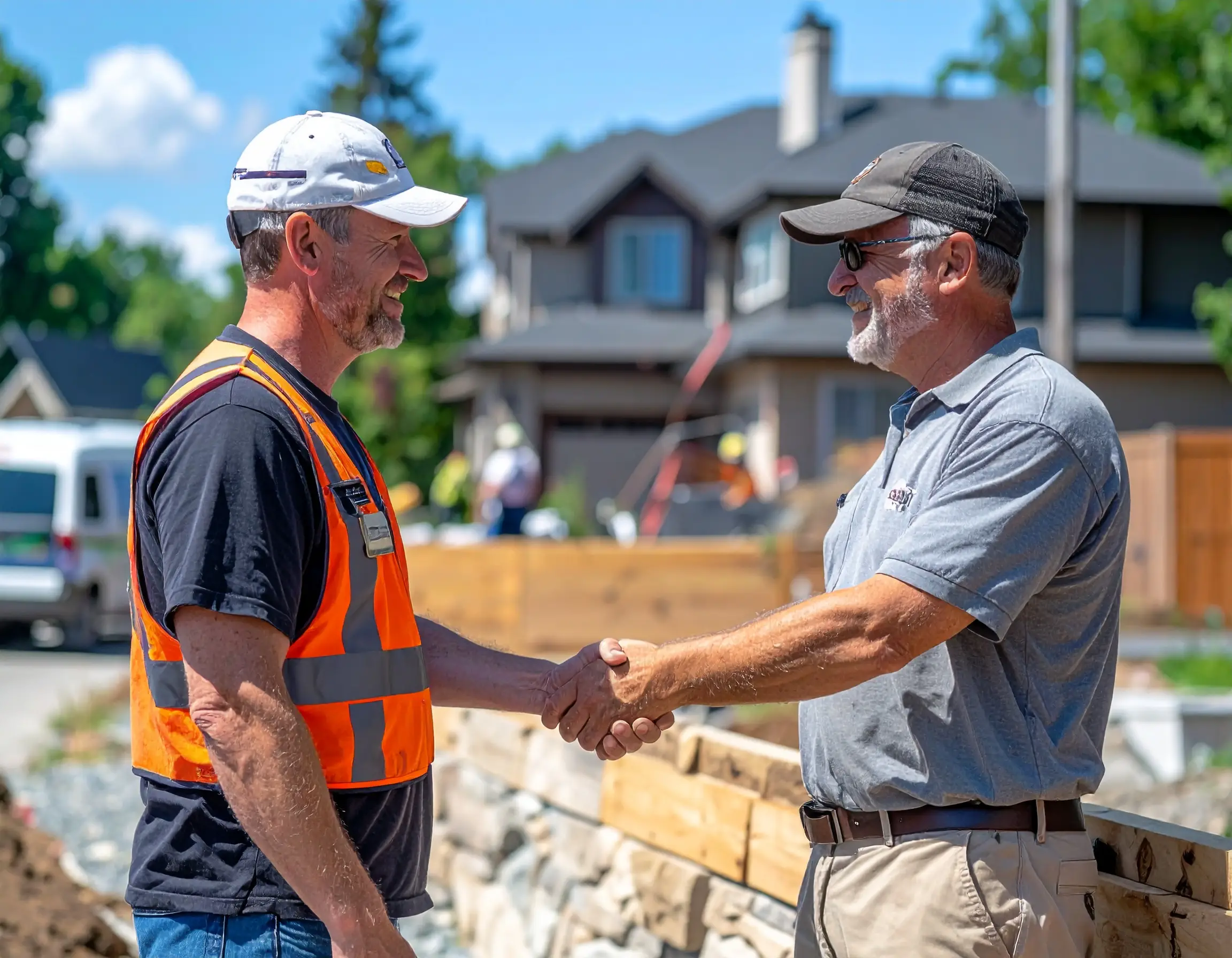
One of the first questions to ask is: Should I build the retaining wall myself or hire a contractor? The decision will affect your costs significantly – not just in money, but also in time and effort. Here’s a comparison of DIY and professional approaches:
- Cost of Labor:
The biggest difference is labor cost. If you go DIY, your labor is “free” (or rather, paid in sweat and time). Contractors charge for labor, which can be substantial. Retaining wall labor costs in Canada can run roughly $10 – $30 per square foot of wall face (this range varies with project complexity – e.g. $10 – $15 for an easy low wall, up to $30 for a complex job).
This aligns with industry guides that suggest professional installation of a retaining wall typically costs about $20 – $50 per sq. ft. in total, versus only $4 – $20 per sq. ft. for materials if you DIY. In other words, hiring pros roughly doubles or triples the cost compared to just buying materials, because you are paying for the crew’s expertise, labor hours, and equipment usage.
- Project Size and Difficulty:
Consider the scope. A small wall (say 20 ft long and 2 ft high) can be a feasible weekend project for a handy homeowner. The materials might cost under $1,000, whereas a contractor’s minimum charge might be $4,000+ – so DIY could save a lot in that case. On the other hand, a large or tall wall (anything over 3 – 4 ft high or requiring extensive excavation) is generally not a DIY job for most homeowners. Beyond the physical challenge, taller walls need proper engineering to be safe. Professionals will know how to install tie-backs, geogrid, or extra-wide footings as needed. If your wall fails because of a mistake, it can lead to a dangerous collapse and expensive property damage. So, a good rule: DIY for simple, low walls; hire a contractor for high, structural, or complicated walls.
- Skills and Tools:
Building a basic timber or block retaining wall is within the skill set of many do-it-yourself enthusiasts, but it still requires some knowledge: you’ll need to know how to dig and prepare a level base, how to ensure each course is level, how to install drainage, etc. Misjudge something like the base compaction or the amount of setback (for block systems) and the wall could lean.
Tools can be an equalizer – as a DIYer you can rent a plate compactor, mini-excavator, or masonry saw, but those add to your cost (a compactor rental might be ~$80/day, for example). Contractors already have these tools and plenty of experience using them. Think about your comfort with the required skills: if you’ve built patios, garden walls, or done masonry, you might handle a retaining wall. If you’re relatively new to hardscaping, the learning curve might be steep.
- Time Investment:
Don’t underestimate the time involved in DIY. A professional crew might build a 30′ long, 3′ high wall in two to five days (including excavation, base prep, and finishing). A single homeowner working weekends could take several weeks to do the same, depending on help and fitness level. If you have the time and enjoy the work, this can be fine – just factor it in.
If the wall is needed for an urgent reason (e.g. holding back soil for a driveway or to stop active erosion), timeliness might favor hiring a crew. Also, consider the disruption: during construction there will be piles of soil and materials. Professionals will clean up and restore the site at the end; as a DIYer, you’ll need to plan for cleanup and disposal trips as well.
- Quality and Longevity:
A professionally built retaining wall by a reputable contractor should come with some warranty or guarantee. Professionals have the expertise to ensure proper construction – they won’t skip critical steps like compacting each layer of backfill or installing sufficient drainage, because their reputation is on the line. As a DIYer, you must discipline yourself to follow best practices (even the “boring” parts like compaction and leveling).
A mistake might not be immediately obvious – walls often fail months or years later due to hidden flaws. If you build it yourself, be prepared to take responsibility for maintenance and any issues. If a contractor builds it, they should fix any failures due to their workmanship (typically within a warranty period). In Mississauga’s climate, quality construction is key: the freeze-thaw cycles in winter put extra stress on retaining walls, so the margin for error is small.
- Safety:
Safety is paramount. Tall retaining walls can exert tons of force – a collapse can be very dangerous. Additionally, construction itself has hazards (digging trenches, lifting heavy blocks or timbers, using plate compactors and saws). Ensure you have help for heavy tasks and don’t take on something beyond your physical capability.
Permits and inspections (when required) are also a safety net – an inspector will verify that an engineered wall is built correctly. If you DIY a permit-required wall, you’ll still need to follow the permit process, which can be daunting without prior experience. Sometimes hiring a pro for the critical parts (e.g. pouring a concrete footing or doing the engineering calculations) and doing the simpler tasks yourself is a good middle ground.
To summarize, DIY can save you money – potentially thousands of dollars – if you have the skills and the project is manageable. However, for larger or critical walls, hiring a professional ensures the job is done right and meets all code requirements. Many homeowners opt to get quotes from contractors first, then decide if the savings are worth the DIY effort. If the quoted cost is not much more than DIY materials would be, it might be worth paying for peace of mind. On the other hand, if quotes are coming in sky-high, you might attempt the DIY route with careful planning.
Cost Comparison: DIY vs. Contractor by Material
The table below summarizes approximate cost ranges (per square foot of wall face) for doing it yourself versus hiring a contractor, for the most common wall materials. DIY costs include materials only, since your labor is not paid, whereas contractor costs are all-inclusive (materials + labor). Your actual costs can vary, but these ranges are a good starting point for budgeting:
| Wall Material | DIY Cost (Materials Only) | Contractor Cost (Installed) |
| Timber (Wood) | $10 – $20 per sq ft | $40 – $60 per sq ft |
| Concrete Block | $15 – $30 per sq ft | $60 – $100 per sq ft |
| Natural Stone | $20 – $50 per sq ft | $80 – $150 per sq ft |
| Poured Concrete | $10 – $20 per sq ft | $50 – $80 per sq ft |
DIY costs are rough material budgets for typical walls, excluding any tool rentals or your personal labor time.
Contractor costs are average installed prices in the GTA (Mississauga area) for 2023 – 2025 and include labor, materials, equipment, overhead, and profit.
As you can see, hiring a contractor can cost roughly 2 – 3 times as much as just buying the materials, depending on the material and complexity. For example, a wooden wall might be $20/sq ft in lumber and gravel if you build it, versus $50/sq ft if built professionally – the premium covers the skilled labor, proper equipment use, and the contractor’s experience. With natural stone, the gap is larger because the labor skill is especially important (hence the high installed cost).
Use these numbers to estimate your project: measure the length and planned height of your wall to get the square footage, then multiply by the rates above. Keep in mind this gives a ballpark figure. Always get a detailed quote for an accurate number.
Planning Your Budget and Next Steps
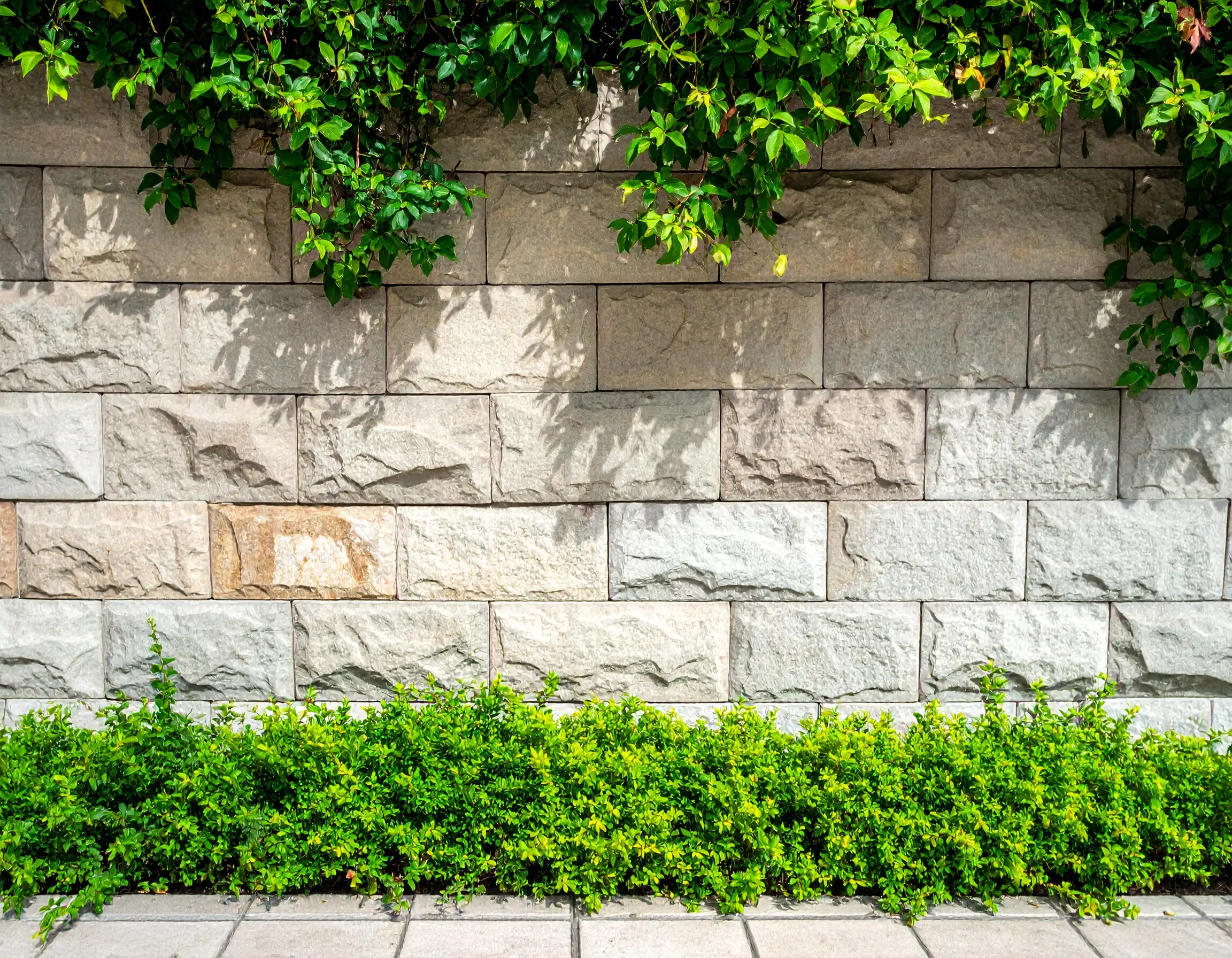
Building a retaining wall is a significant investment in your property. Here are some best practices for planning your budget and ensuring a successful project:
- Use Online Cost Calculators:
To refine your estimate, take advantage of online tools. For instance, retaining wall calculator apps (such as Ergeon’s Retaining Wall Cost Calculator or Omni Calculator’s retaining wall tool) let you input your wall dimensions and material to get a material list and cost estimate. These tools simplify the process by calculating how many blocks or timbers you’ll need, how much gravel for backfill, etc., and often allow you to plug in unit costs.
They’re great for a DIY planner. Just be sure to use local pricing for materials – costs in Mississauga may differ from the default values (you can get current prices from local home improvement stores or suppliers).
- Get Multiple Quotes:
If you plan to hire a contractor, always get 2 – 3 quotes from reputable contractors. Make sure each quote is for the same scope (same wall length, height, materials, and features) so you can compare apples to apples. The cheapest quote isn’t always the best – look at what’s included. Does the quote mention drainage, geogrid (if needed), proper base depth, cleanup, and disposal of excess soil? A detailed quote shows the contractor knows their stuff. Check reviews or ask for references, especially for large walls – you want someone experienced. Mississauga has many landscaping companies; look for ones with specific retaining wall expertise.
- Factor in Permits and Design Services:
As noted, for walls over 1 m high, include the permit fee and any engineering/design costs in your budget. It may add a few hundred dollars but is crucial for safety and legality. Even if your wall is under the permit height, if it’s close to that height or holding up a significant load (like a driveway or patio), consider consulting an engineer anyway. Some contractors have engineers they work with and can bundle this into their price.
- Plan for Site Prep and Extras:
When budgeting, consider the whole project environment. Will you need to regrade the area or add fill behind the wall? If your new wall will create a flat terrace, think about finishing that area (sod, patio, plants) – that’s outside the wall cost but should be part of your overall landscaping budget. Don’t forget items like stairs or railings if the design needs them (for example, a tall wall with a drop-off might require a safety railing by code). It’s easier to incorporate these in the project plan up front than add them later.
- Schedule Wisely:
In Ontario, exterior construction is seasonal. The busy season for landscaping (spring and summer) can mean higher prices or fully booked contractors. If you’re hiring out, try to schedule the work in the shoulder seasons (early spring or fall) when contractors are a bit less swamped – you might get a slight discount or at least more scheduling flexibility. DIY builders should also plan around the weather: you’ll need a few clear days to excavate and build without the ground being overly muddy. Avoid the depths of winter – frost and concrete do not mix well, and digging in frozen ground is a non-starter.
- Don’t Skimp on Critical Components:
It might be tempting to save a few dollars by using less gravel, fewer tie-backs, or a thinner base, but this often leads to bigger costs down the road. A poorly built wall can fail and cause damage far exceeding the initial savings. Allocate budget for the “hidden” elements like geotextile fabric, extra drainage pipe, or higher-strength materials if the design calls for it. For example, if using wood, budget for a protective stain/sealant application after installation (around $2 per sq. ft.). If using blocks, budget for cap stones to finish the top for a polished look. These details contribute to a wall that lasts.
- Allow a Contingency:
As mentioned earlier, include a contingency (around 10%). If the project comes in on budget, you can use any leftover funds for nice add-ons (perhaps landscaping the new terrace or installing landscape lighting along the wall). If there are surprises, you’ll be glad you set this aside. Common minor surprises might include finding that you need a bit more material (it’s wise to order ~10% extra block or stone to account for cuts/breakage), or that you need to extend the wall a few feet more than planned once you see it in place.
- DIY realistically:
If you decide to DIY, do an honest assessment of what you can handle and where you might need help. Maybe you purchase the materials and do the excavation, but hire a mason for a day to help start the first course perfectly level. Or you do the wall, but hire an electrician friend to install lighting afterwards. Plan out the sequence of work (there are many good tutorials and even workshops at home improvement stores on building retaining walls). Ensure you have the proper safety gear (gloves, steel-toe boots, eye protection, etc.) and any helpers lined up for heavy work. It can also help to talk to someone at your local building supply store – they often have insights on what DIYers in the area struggle with, or they can recommend trusted pros for parts of the job.
- Check Local Regulations:
Aside from building permits, consider if there are any other local rules. For example, if the wall is along a property boundary, Mississauga might have zoning rules about altering grading near lot lines. Also, if you live in a conservation area or near a ravine, there could be conservation authority regulations. When you apply for a permit, city staff will typically flag these, but it’s good to be aware in advance. Complying with regulations avoids legal costs or having to redo work.
- Think Long-Term:
A retaining wall is a long-term structure, so budget with the future in mind. A cheaper wall now (say, wood) might need replacement in 20 years, whereas spending more on concrete or stone could last 50+ years. If you plan to stay in your home indefinitely, investing a bit more now for a maintenance-free wall can pay off. If you might move, consider the resale value – a well-built stone wall could add curb appeal, whereas a failing wall could become a negotiation point in sale. Also budget time (or money) for maintenance: e.g. inspecting the wall each year for signs of movement or rot, and cleaning out drain outlets. Most walls won’t need much maintenance, but it’s wise to check. If you have a timber wall, plan to re-stain/seal it every few years.
By following these best practices, you can develop a comprehensive budget that covers not just the wall itself, but all the related expenses to avoid surprises. A retaining wall is a big undertaking, but with careful planning, it will be a rewarding improvement to your property.
In conclusion, whether you choose the economy of a DIY timber wall or the turn-key assurance of a professionally built stone wall, understanding the cost factors will help you make an informed decision. Mississauga homeowners should take into account local conditions – our climate, our soil, and our permit rules – when planning a retaining wall. Use the cost ranges and tips in this guide as a starting point. Then, do a detailed take-off for your specific design and get quotes if needed. With a solid plan and budget in place, you’ll be well on your way to a successful retaining wall project that enhances your landscape and protects your property for years to come. Good luck with your project!