








Bare spots in grass frustrate homeowners and reduce a lawn’s health and curb appeal. They can result from soil compaction, drought, or lawn diseases. This article explains effective techniques for repairing these areas, care practices to maintain a healthy lawn, and the common causes to look for. Follow these steps to restore your lawn’s vitality and appearance. We also provide a step-by-step lawn patch guide and outline the benefits of professional services offered by Maverick Landscaping.
Repairing Bare Spots
Repairing bare spots involves a few proven techniques: aeration, overseeding, and starter fertilizer. Aeration relieves compacted soil so air, water, and nutrients reach the root zone. Overseeding introduces fresh seed to thicken the turf and reduce future bare areas, while a starter fertilizer supplies nutrients to support seed establishment and early growth.
Ongoing Care Practices

Consistent care keeps a lawn healthy. Mow at the correct height and keep blades sharp to avoid stress. Set a fertilization schedule so your lawn gets nutrients when it needs them, and use targeted weed control to prevent competition and help grass thrive.
What Causes Bare Spots in Grass and How to Identify Them
Knowing the causes of bare spots helps you choose the right fix. Soil compaction from heavy use or poor drainage reduces air and water movement. Drought stresses grass and makes it prone to damage. Lawn diseases, especially fungal infections, can create distinct bare patches that need targeted treatment.
Common Causes of Lawn Bare Spots in Canadian Climates
In Canadian climates, heavy foot traffic and poor drainage often lead to compaction. Summer droughts can produce dry patches. Fungal diseases such as brown patch and dollar spot are common and can leave visible bare areas if not treated.
Preventive Measures
Take proactive steps to reduce bare spots. Aerate regularly to maintain soil structure. Water deeply but less often to encourage strong roots. Keep your mower at the right height to minimize stress and support steady growth.
How to Diagnose Soil and Grass Issues Affecting Lawn Health
Accurate diagnosis starts with a soil test to check nutrients and pH. Visually inspect for discoloration or wilting to spot problem areas. Physically assess soil texture and moisture to understand root and soil conditions that affect turf health.
Step-by-Step Guide to Lawn Patch Repair for Bare Spots

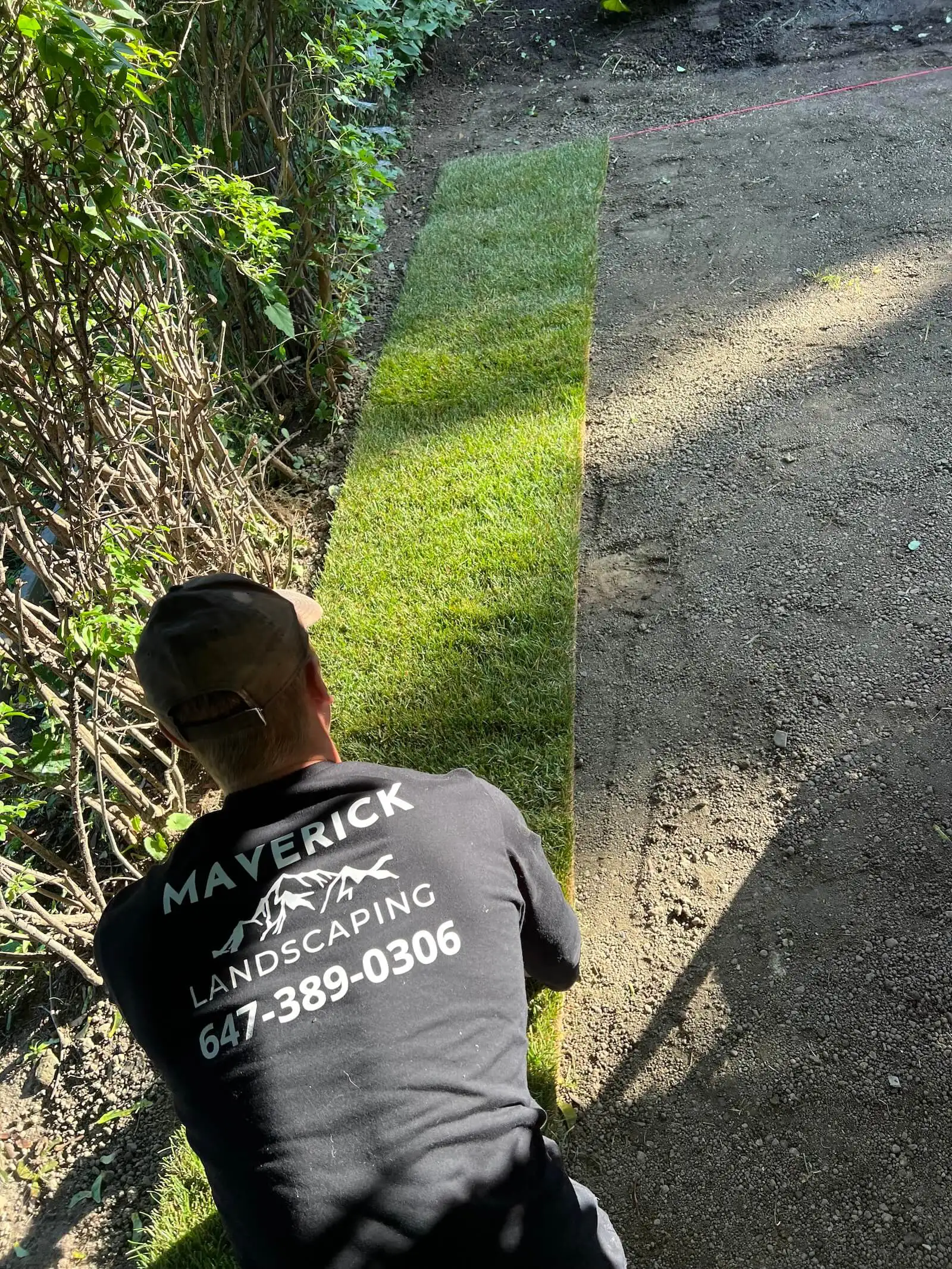
Repairing bare spots is best handled with a clear, systematic approach; this guide describes the essential steps for effective lawn patch repair.
Preparing the Soil: Best Practices for Soil Amendment and Fertilization
Prepare the soil before seeding by clearing debris and removing dead turf. Perform a soil test to check nutrient levels and pH, then amend the soil with organic matter or fertilizer based on the results to give new seed the best start.
Choosing and Applying Grass Seed Suitable for Bare Spot Repair
Choose seed that matches your existing lawn and local climate. Spread seed evenly over the prepared area and follow the recommended seeding rate. Seed in early spring or early fall for the best chance of successful establishment.
Effective Lawn Care Techniques to Prevent and Treat Patchy Grass
Use practical techniques to prevent and treat patchy grass. Keep mower blades sharp and maintain the correct cutting height. Leave clippings to return nutrients to the soil when appropriate, and adjust fertilization and watering by season to support steady growth.
Professional Lawn Patch Repair Services by Maverick Landscaping
When you need professional help, lawn patch repair services can deliver tailored solutions to restore turf health. Maverick Landscaping provides comprehensive lawn care and maintenance, including specialized repair work.
Benefits of Expert Consultation and Tailored Lawn Repair Solutions
Working with professionals offers clear advantages: expert consultations identify your lawn’s specific needs so the right techniques and products are used. Custom repair plans address unique challenges for better results, and ongoing communication and support help maintain lawn health over time.
For commercial properties needing snow cleared, Maverick Landscaping also offers commercial snow removal in Mississauga.
Customer Testimonials and Guarantees for Peace of Mind
Maverick Landscaping highlights customer satisfaction through testimonials that showcase successful lawn restorations. Clients value the quality of service and the guarantees provided, giving peace of mind when investing in lawn care solutions.
Frequently Asked Questions
What is the best time of year to repair bare spots in grass?
Repair bare spots in early spring or early fall. Temperatures are milder and moisture is usually more reliable, which helps seed germinate. Spring repairs allow establishment before summer heat, while fall gives seedlings time to develop before winter dormancy. Correct timing improves success rates.
How often should I aerate my lawn to prevent bare spots?
Aerate once or twice a year to reduce compaction and support soil health. The best times are during the growing season, typically spring or fall, when the grass recovers quickly. Aeration improves air, water, and nutrient movement into the root zone and lowers the risk of bare patches.
Can I use any type of grass seed for patching bare spots?
Not all seeds are suitable for every lawn. Match the seed to your existing turf and climate. Cool-season grasses like Kentucky bluegrass perform well in northern areas; warm-season types such as Bermuda suit southern regions. Also consider sun and shade when selecting seed for the repair area.
What are the signs that my lawn is suffering from disease?
Look for discoloured or wilting patches, thinning turf, and unusual growth patterns. Brown or yellow spots and circular patches often indicate fungal disease. If you see these signs, diagnose the problem promptly and treat it with appropriate fungicides or by adjusting care practices.
How can I improve soil quality for better grass growth?
Improve soil by aerating, adding organic matter like compost, and conducting soil tests. Aeration relieves compaction and organic amendments boost nutrient content and structure. Soil tests reveal pH and nutrient gaps so you can make targeted corrections. Proper watering and avoiding over-fertilization further support soil health.
What role does watering play in preventing bare spots?
Watering is essential for root development and overall turf resilience. Deep, infrequent watering encourages roots to grow deeper and makes grass more drought resistant. Water early in the morning to reduce evaporation and lower disease risk, and adjust watering based on weather and soil moisture to maintain a healthy lawn.