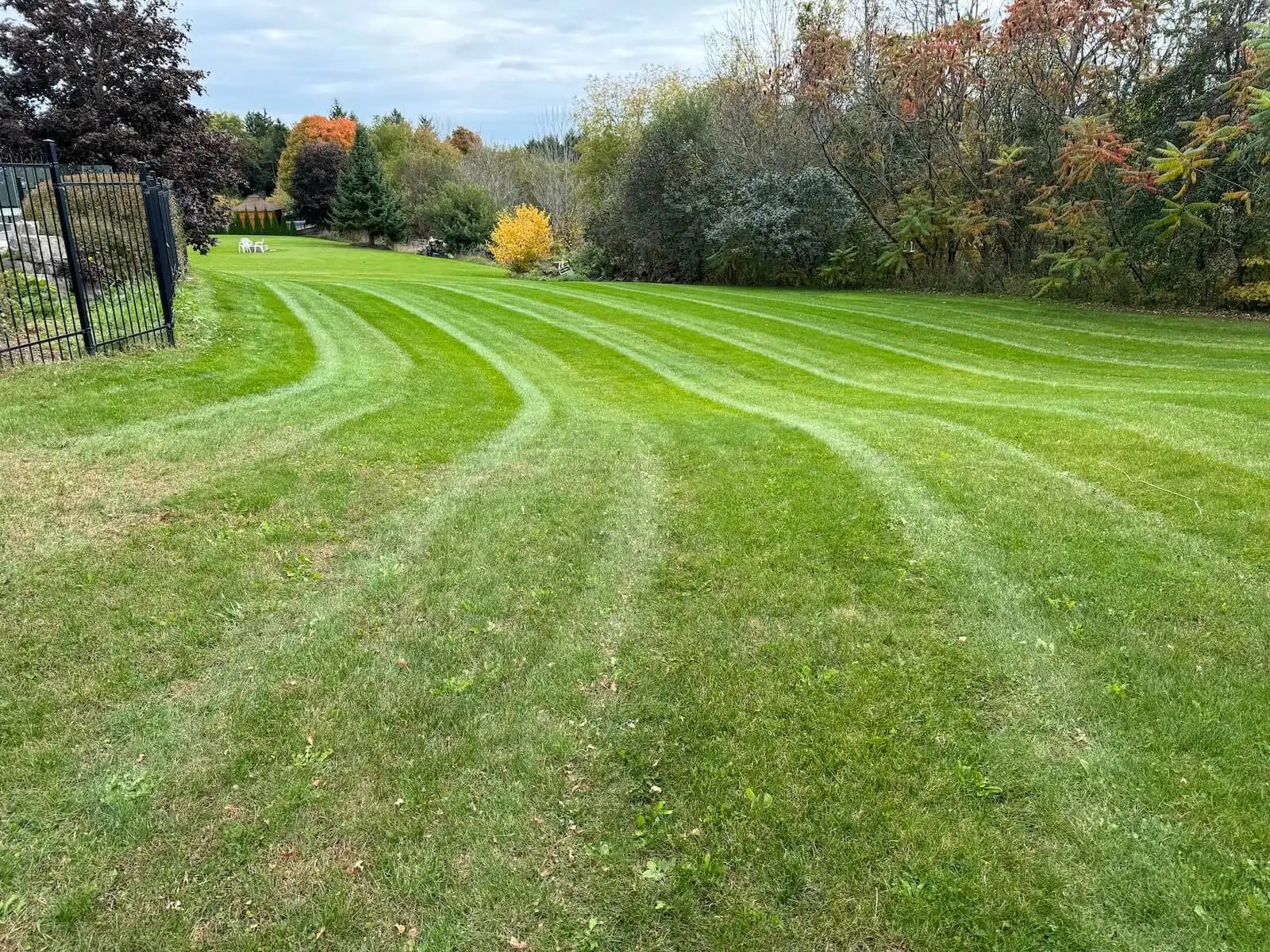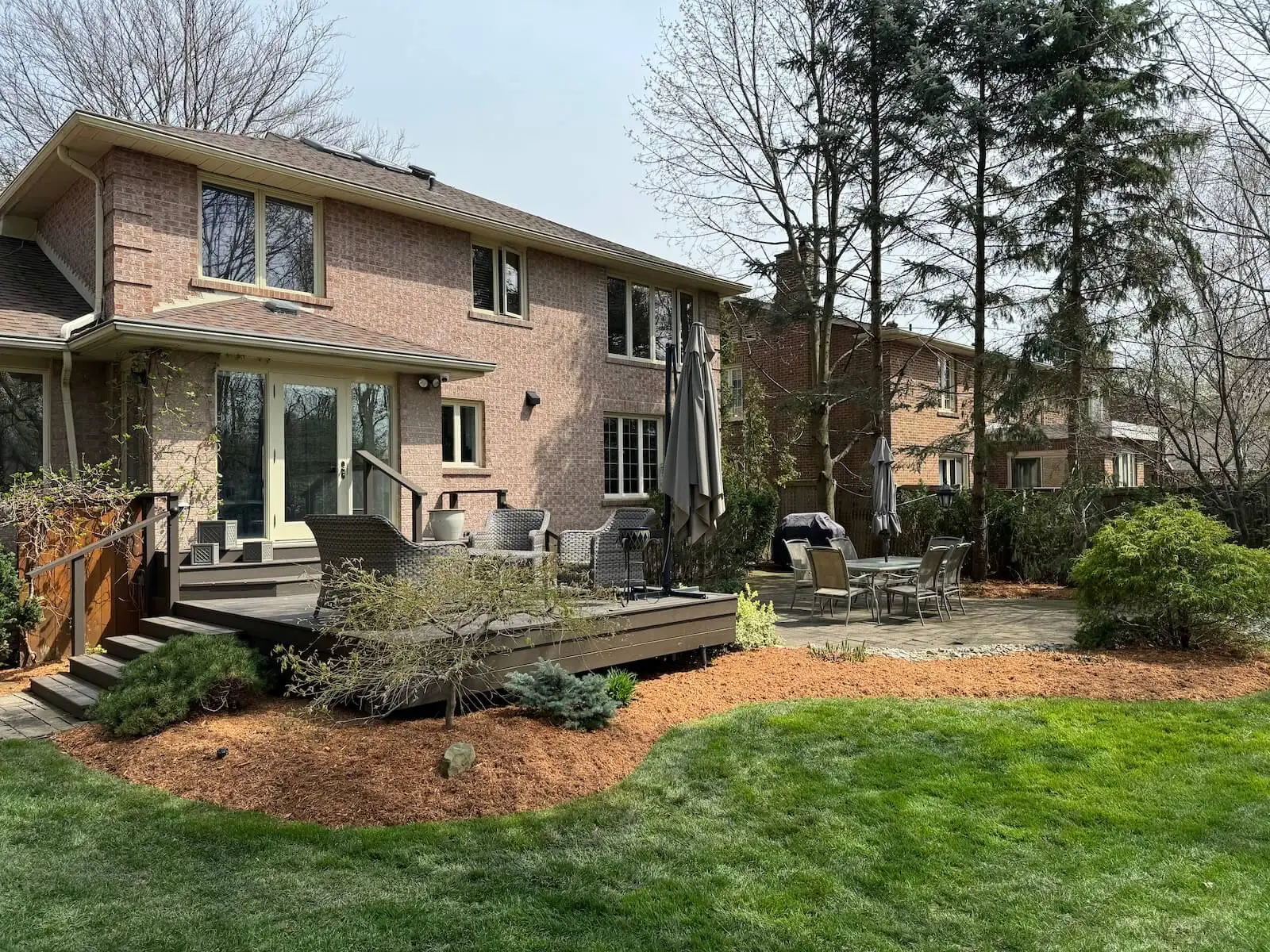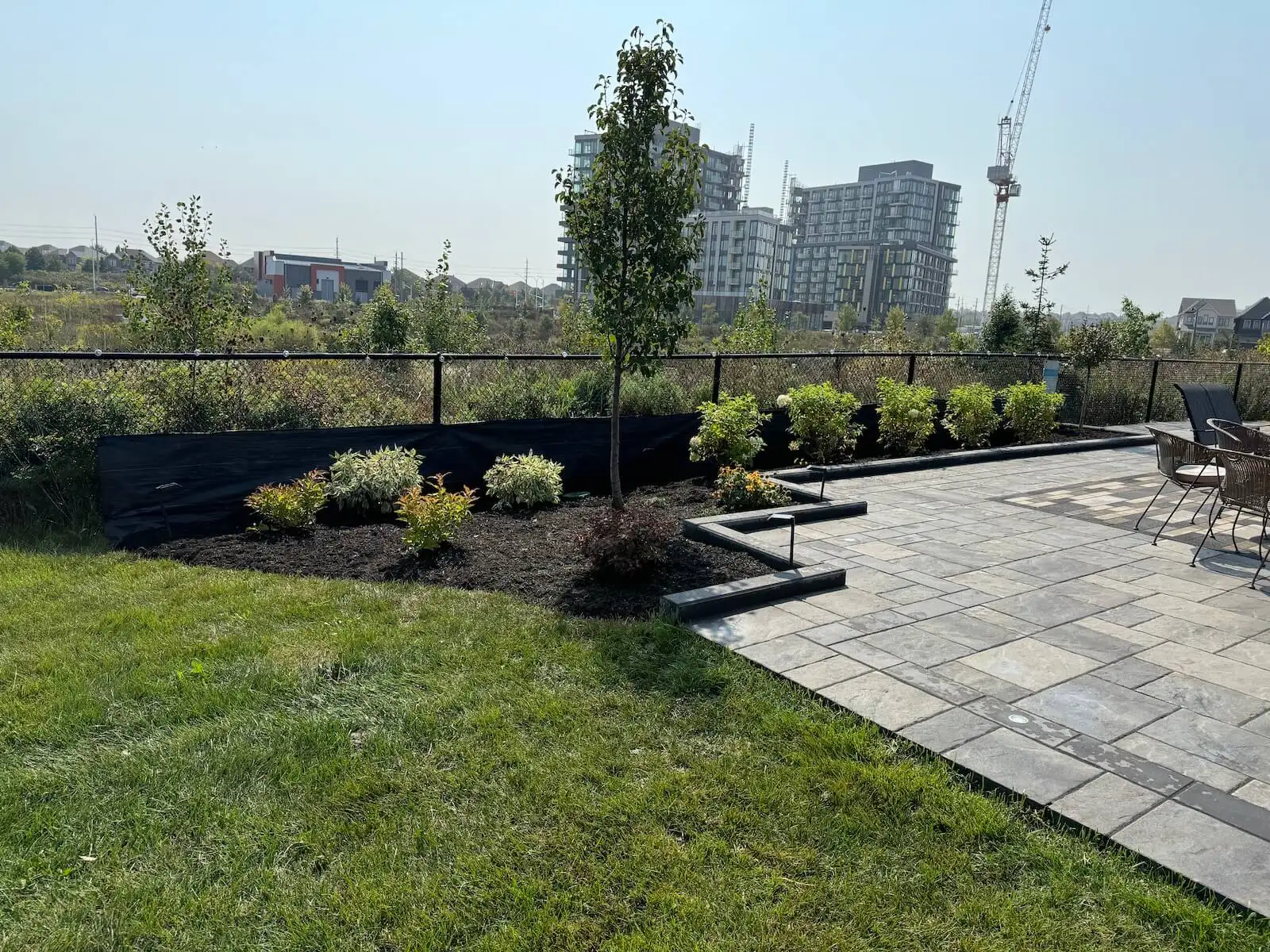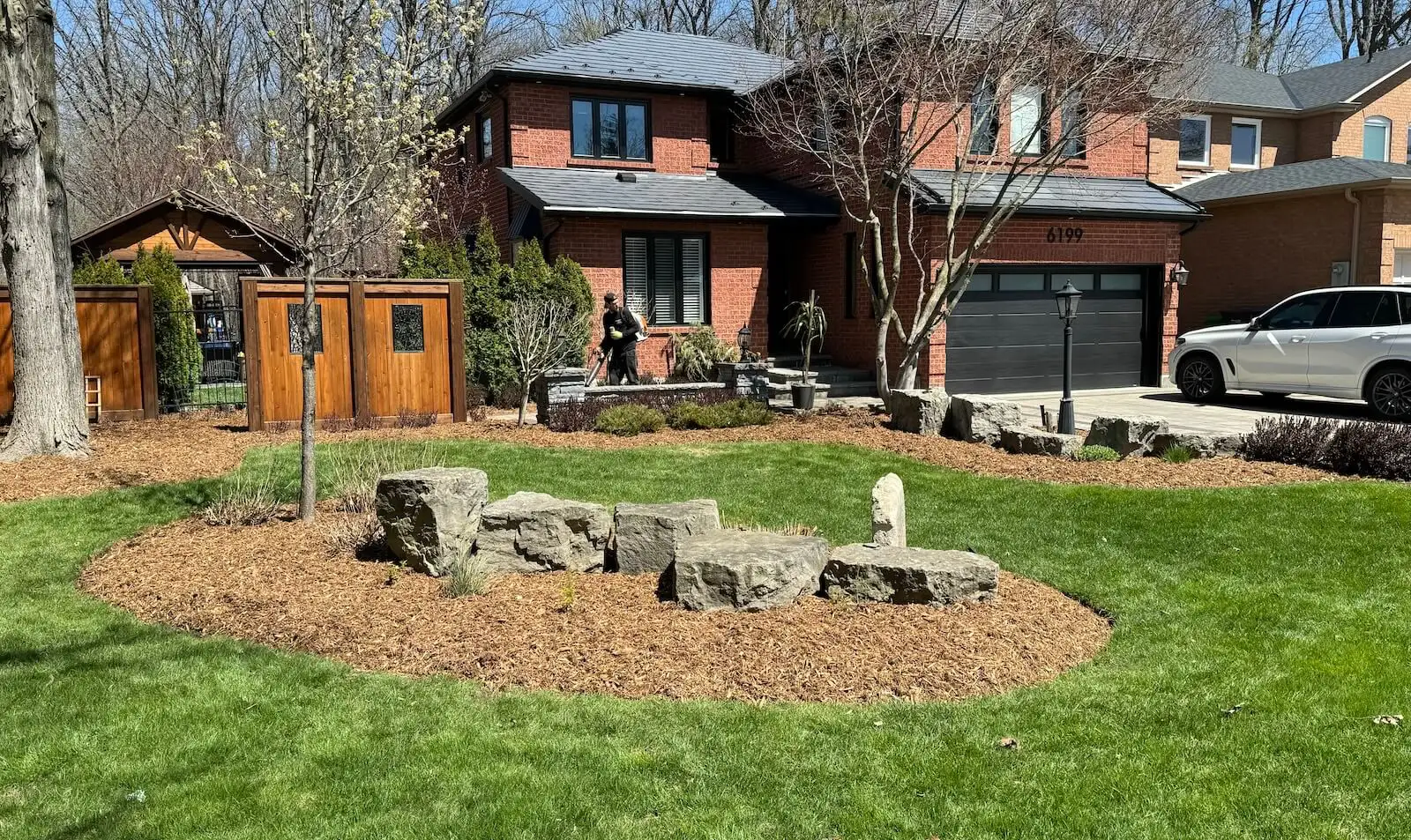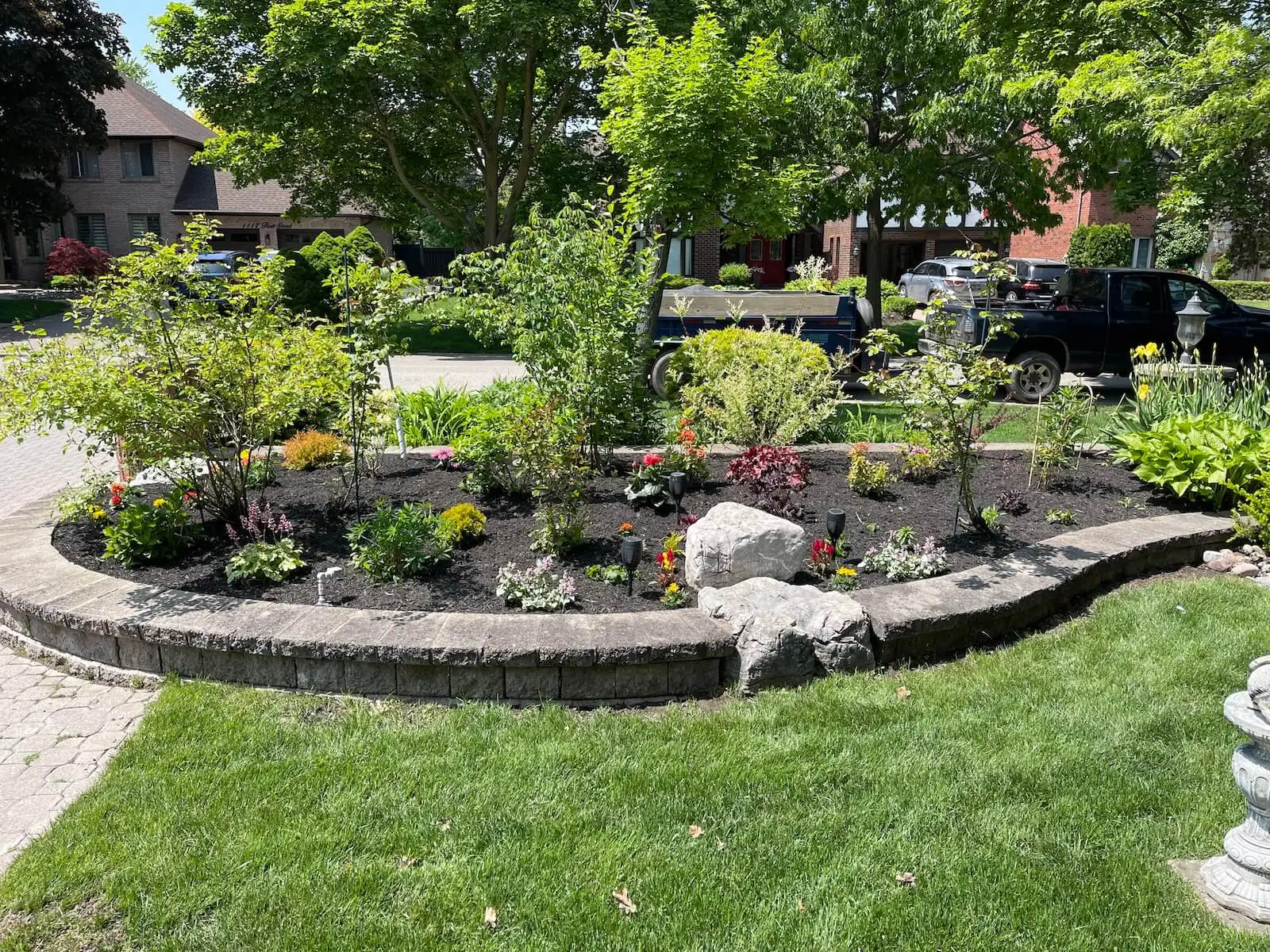









Many homeowners want a lush, green lawn while protecting the environment. Eco‑friendly organic lawn care enhances your yard and supports a healthier ecosystem. This guide focuses on organic fertilizers, natural weed control, and year‑round care to reduce chemical runoff, improve soil health, and create a safer outdoor space for family and wildlife.
If you prefer professional support, Maverick Landscaping offers comprehensive lawn care services.
What Are the Key Benefits of Using Organic Lawn Fertilizers?
Organic fertilizers improve soil health, boost turf vitality, and cut chemical runoff. They nourish the lawn while supporting soil life and local biodiversity.
How Do Organic Fertilizers Improve Soil Health and Lawn Vitality?
Organic fertilizers supply essential nutrients and feed the soil microbiome. Their slow release improves root uptake, enhances soil structure, and increases moisture retention, helping turf resist pests and disease and appear fuller and greener.
Which Organic Fertilizer Types Are Best for Canadian Lawns?
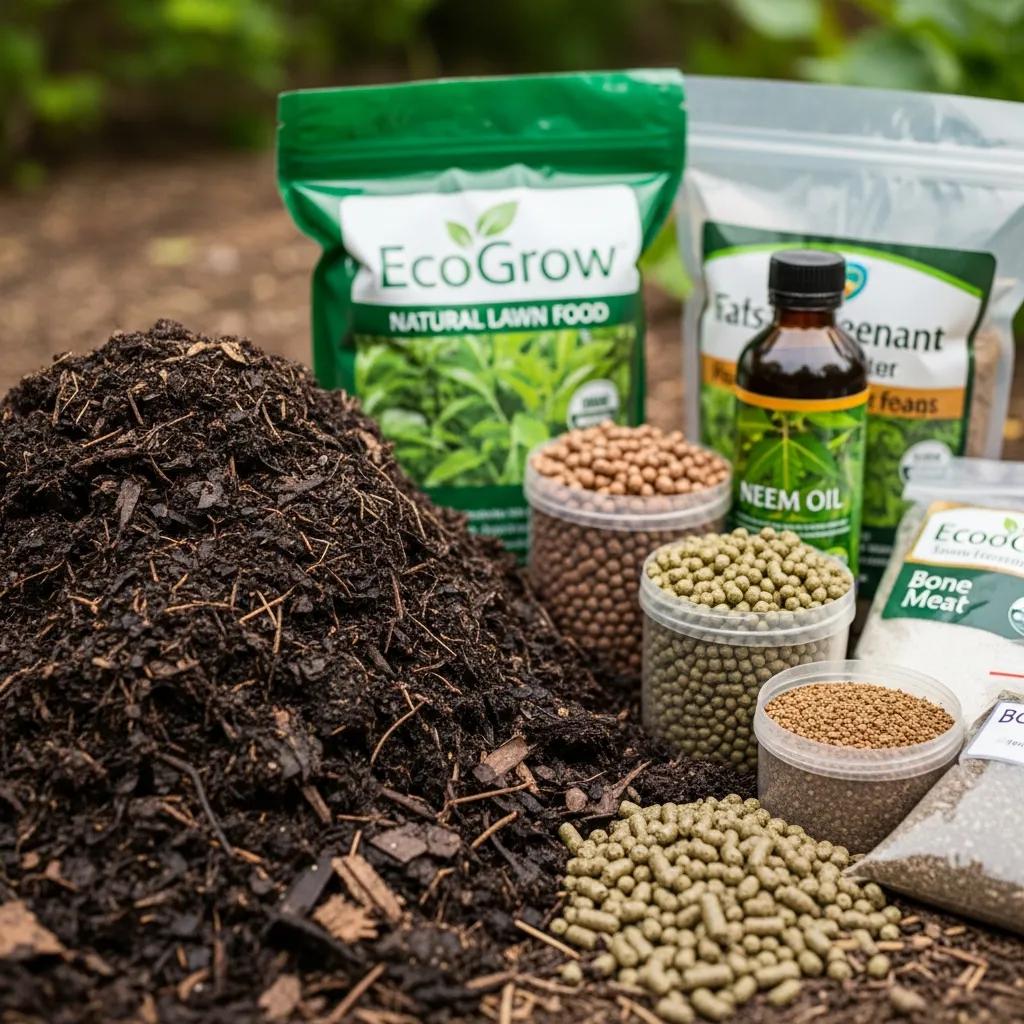
Several organic fertilizer types work well for Canadian lawns. Common options include:
- Organic Compost: A nutrient-rich amendment that improves soil structure and fertility.
- Natural Lawn Feeding: Products derived from plant or animal sources that provide essential nutrients.
- Environmentally Safe Treatments: Fertilizers free from synthetic chemicals, safer for pets and children.
These choices can noticeably improve lawn health and appearance while being environmentally responsible.
What Natural Weed Control Methods Promote a Chemical-Free Lawn?
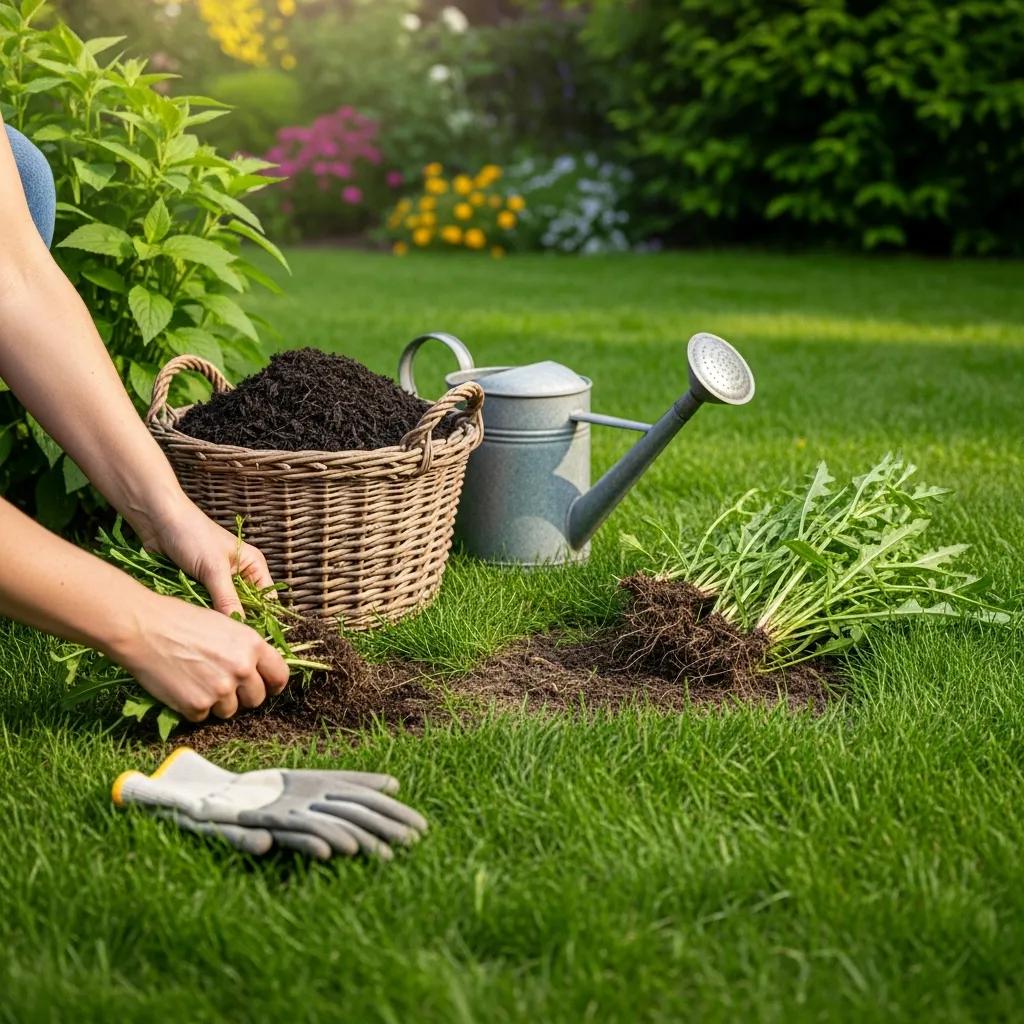
Natural weed control manages unwanted plants while preserving soil health and beneficial insects. Organic methods reduce harm to the lawn’s ecosystem.
How Can You Effectively Identify and Manage Weeds Organically?
Effective organic weed management relies on a few core strategies:
- Regular Monitoring: Keep an eye on your lawn for early signs of weed growth.
- Hand Pulling: Remove weeds by hand, getting the entire root to prevent regrowth.
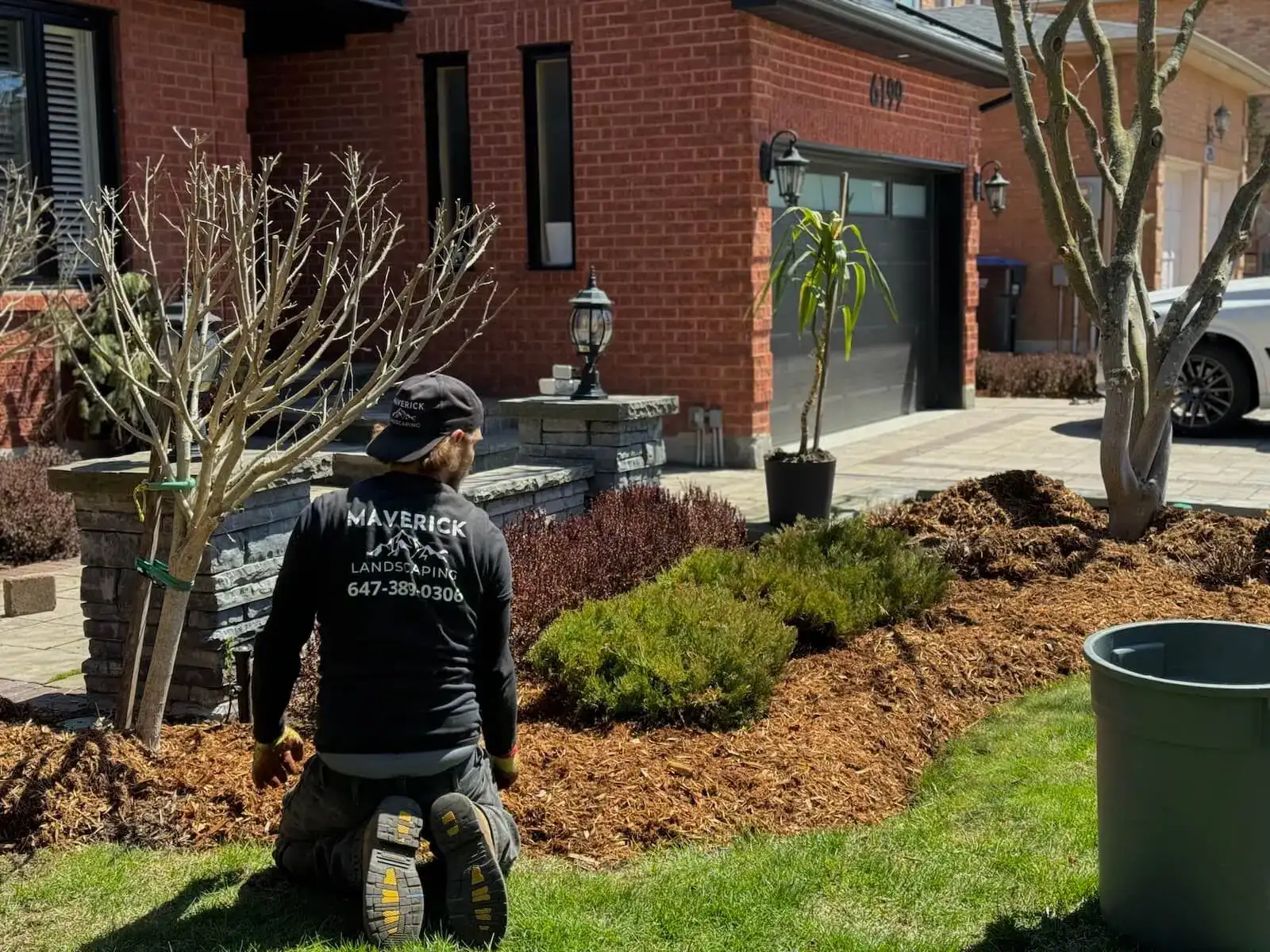
- Mulching: Apply organic mulch to suppress weeds and retain soil moisture.
These straightforward techniques reduce reliance on chemicals and support a stronger turf.
What Are Environmentally Safe Treatments for Sustainable Weed Control?
Several environmentally safe treatments support sustainable weed control, including:
- Vinegar Solutions: A natural herbicide that can kill weeds when applied directly.
- Boiling Water: Pouring boiling water on weeds can destroy them without chemicals.
- Corn Gluten Meal: A natural pre-emergent that helps prevent weed seeds from germinating.
Used carefully, these treatments align with eco‑friendly practices and lawn health goals.
How Can You Maintain a Chemical-Free Lawn Year-Round?
Keeping a lawn chemical‑free year‑round takes planning and consistent care. Use seasonal plans and eco‑friendly products to keep your lawn resilient through changing conditions.
What Seasonal Organic Lawn Care Schedules Ensure Lasting Results?
A seasonal organic care schedule supports lasting results. Here is a clear breakdown of tasks for each season:
- Spring: Apply organic fertilizers and overseed bare patches.
- Summer: Water deeply and infrequently to encourage deep roots.
- Fall: Aerate and apply compost to prepare for winter.
- Winter: Keep the lawn clear of debris and plan spring treatments.
Following this schedule helps maintain a healthy lawn and reduces the need for chemical inputs.
Which Eco-Friendly Lawn Care Products Support Sustainable Maintenance?
Several eco‑friendly products support sustainable maintenance, including:
- Organic Fertilizers: Compost and natural lawn feeds.
- Natural Pest Control: Products that use beneficial insects or organic compounds.
- Soil Amendments: Biochar or worm castings that enhance soil health.
Incorporating these into your routine improves lawn health and long-term sustainability.
How Does Organic Pest Control Protect Your Lawn Naturally?
Organic pest control manages pests without synthetic chemicals, promoting a balanced ecosystem and protecting turf health.
What Are the Best Organic Pest Control Options for Lawns?
Effective organic pest control options include:
- Beneficial Insects: Ladybugs or lacewings help control aphids.
- Neem Oil: A natural pesticide that disrupts pest life cycles.
- Diatomaceous Earth: A non-toxic powder that deters crawling insects.
These options manage pests while remaining safe for the environment.
How Does Integrated Pest Management Enhance Eco-Friendly Lawn Care?
Integrated Pest Management combines strategies to manage pests sustainably. This approach includes:
- Monitoring: Check for pest activity to determine when to intervene.
- Cultural Practices: Promote healthy plants with proper watering and feeding.
- Biological Control: Use natural predators to limit pest populations.
Adopting IPM helps you control pests effectively while minimising environmental impact.
For commercial properties, Maverick Landscaping also offers snow removal services.
Frequently Asked Questions
What are the environmental benefits of organic lawn care?
Organic lawn care reduces chemical runoff that can harm waterways. Using organic fertilizers and natural pest control supports biodiversity and beneficial soil organisms, improving water retention and reducing erosion while enhancing lawn appearance.
How can I transition my conventional lawn care to organic methods?
Transition gradually: replace synthetic fertilizers with compost or natural feeds, adopt mulching and hand‑pulling for weeds, monitor pests, and use organic controls like neem oil or beneficial insects. Over time the lawn will become more resilient.
Are there specific challenges in maintaining an organic lawn?
Challenges include slower nutrient release from organic fertilizers and longer response times for organic weed and pest controls. These may require closer monitoring or repeated applications, but planning and consistency make them manageable.
What role does soil testing play in organic lawn care?
Soil testing shows pH, nutrient levels, and organic matter so you can choose targeted amendments. Regular tests reveal deficiencies and help tailor organic treatments for stronger, more sustainable growth.
How can I encourage biodiversity in my lawn?
Plant a mix of grass species and native plants to attract beneficial insects and wildlife. Avoid chemicals, and add features like flower beds or small water elements to support diverse species and create a more resilient lawn.
What are the signs of a healthy organic lawn?
A healthy organic lawn has vibrant green colour, dense growth, and resilience to pests and disease. You may spot diverse grass types and beneficial insects. Good soil shows proper drainage, moisture retention, and a rich earthy smell; regular checks and care keep it in top condition.