








Landscaping and lawn care both improve outdoor appearance and function but cover different scopes and skills. This article outlines their definitions, typical services, costs, and decision points to help homeowners and property managers choose the right option for their goals and budget.
What Is Landscaping and What Services Does It Include?
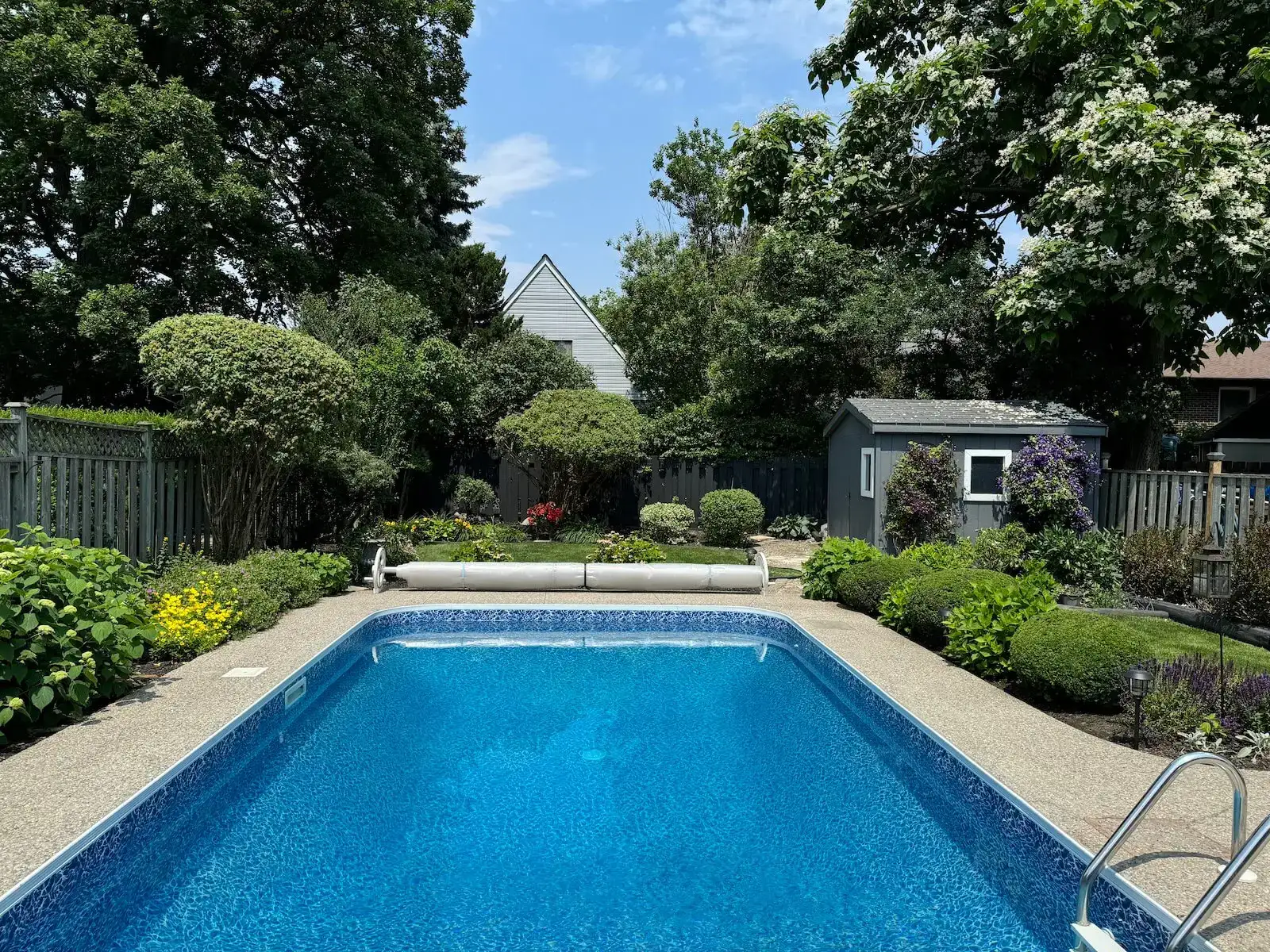
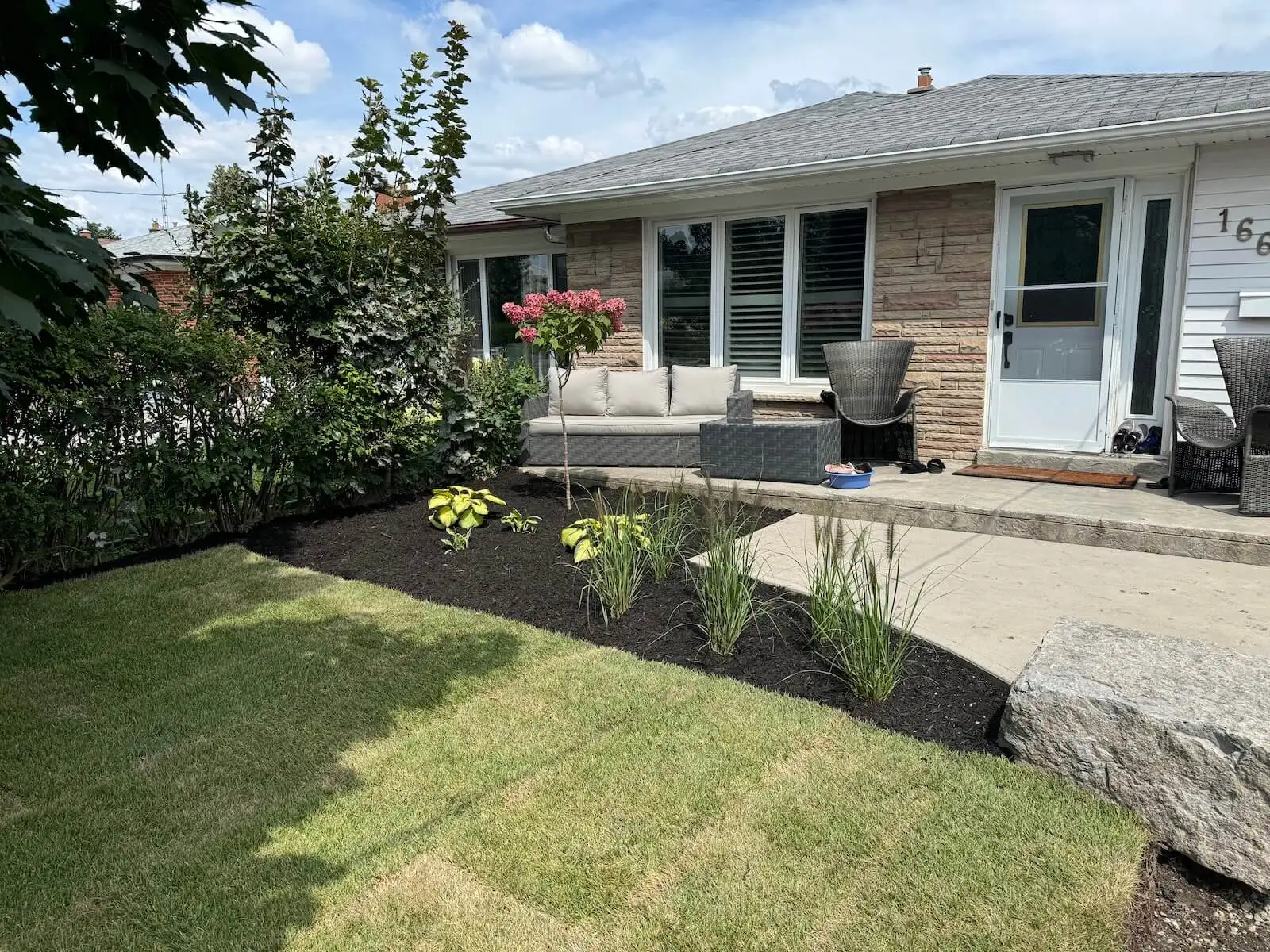
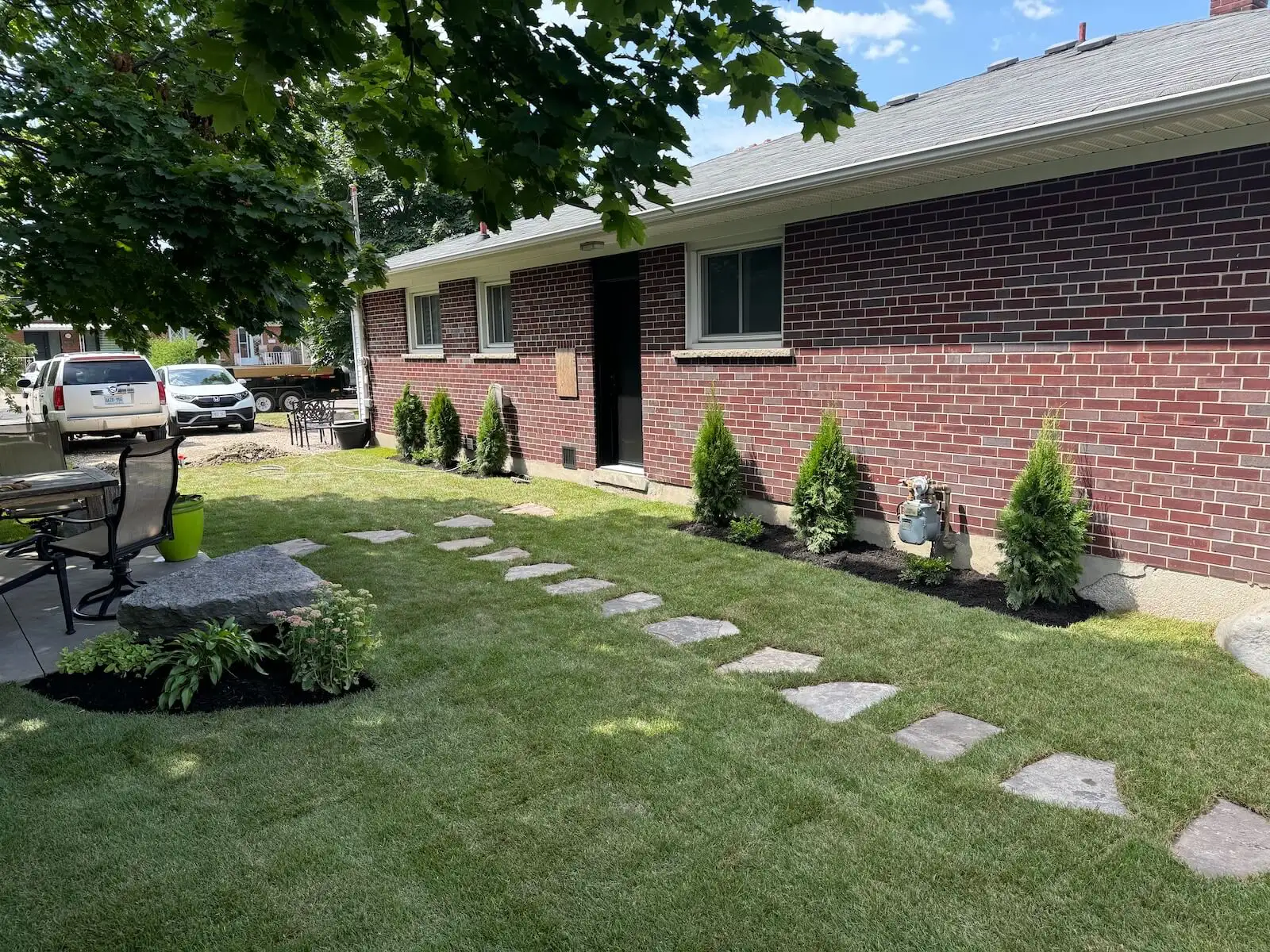
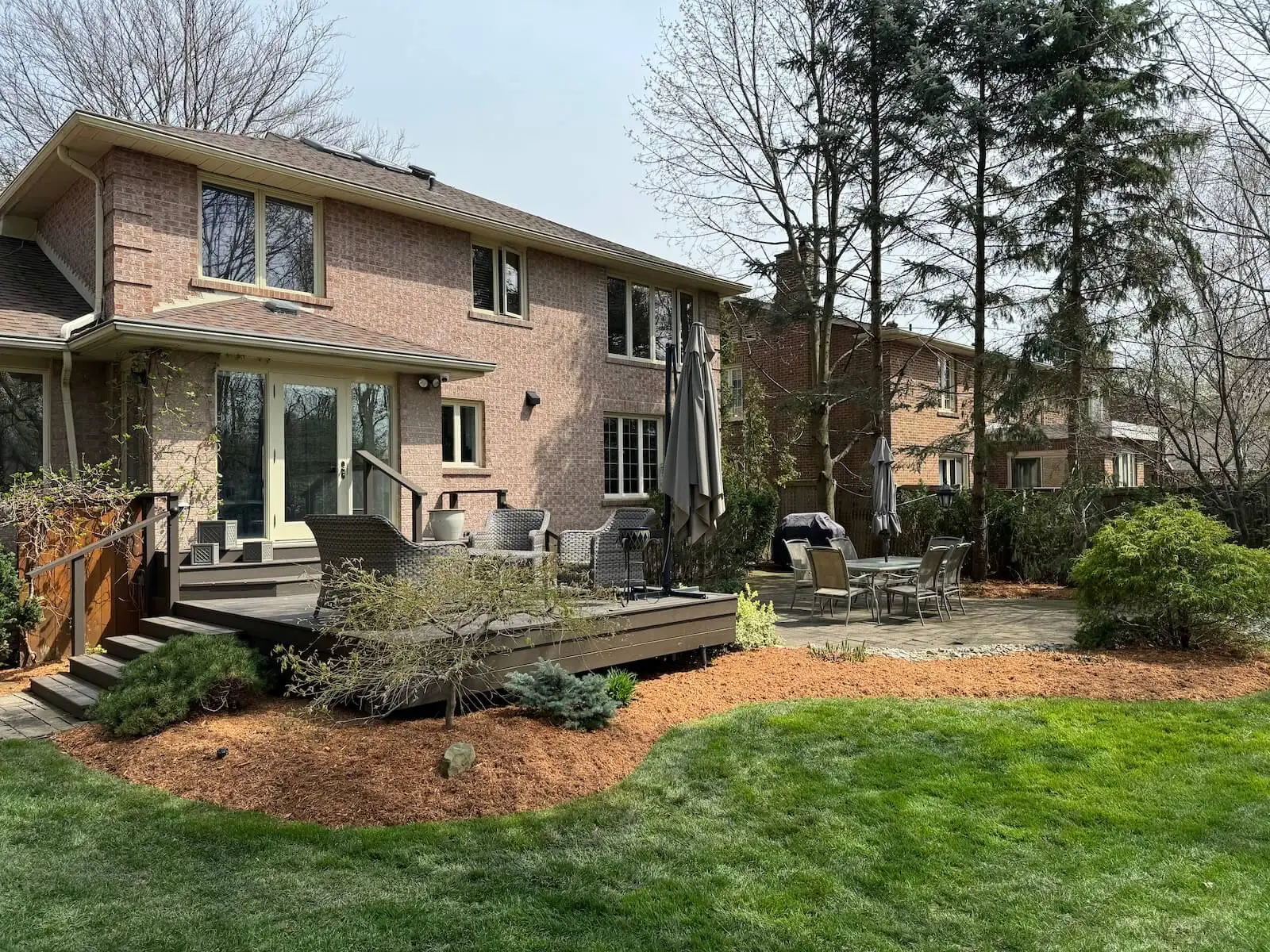
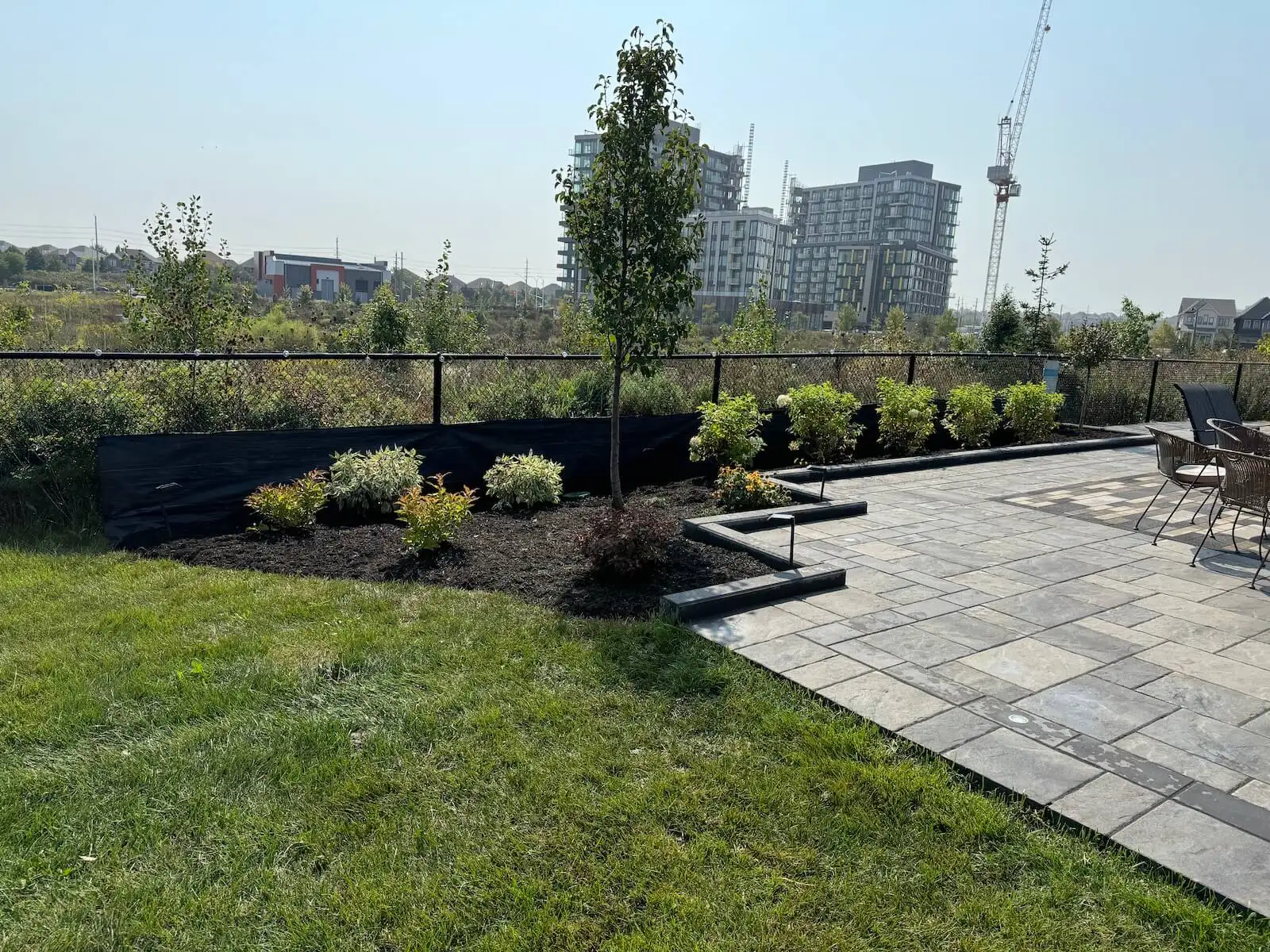
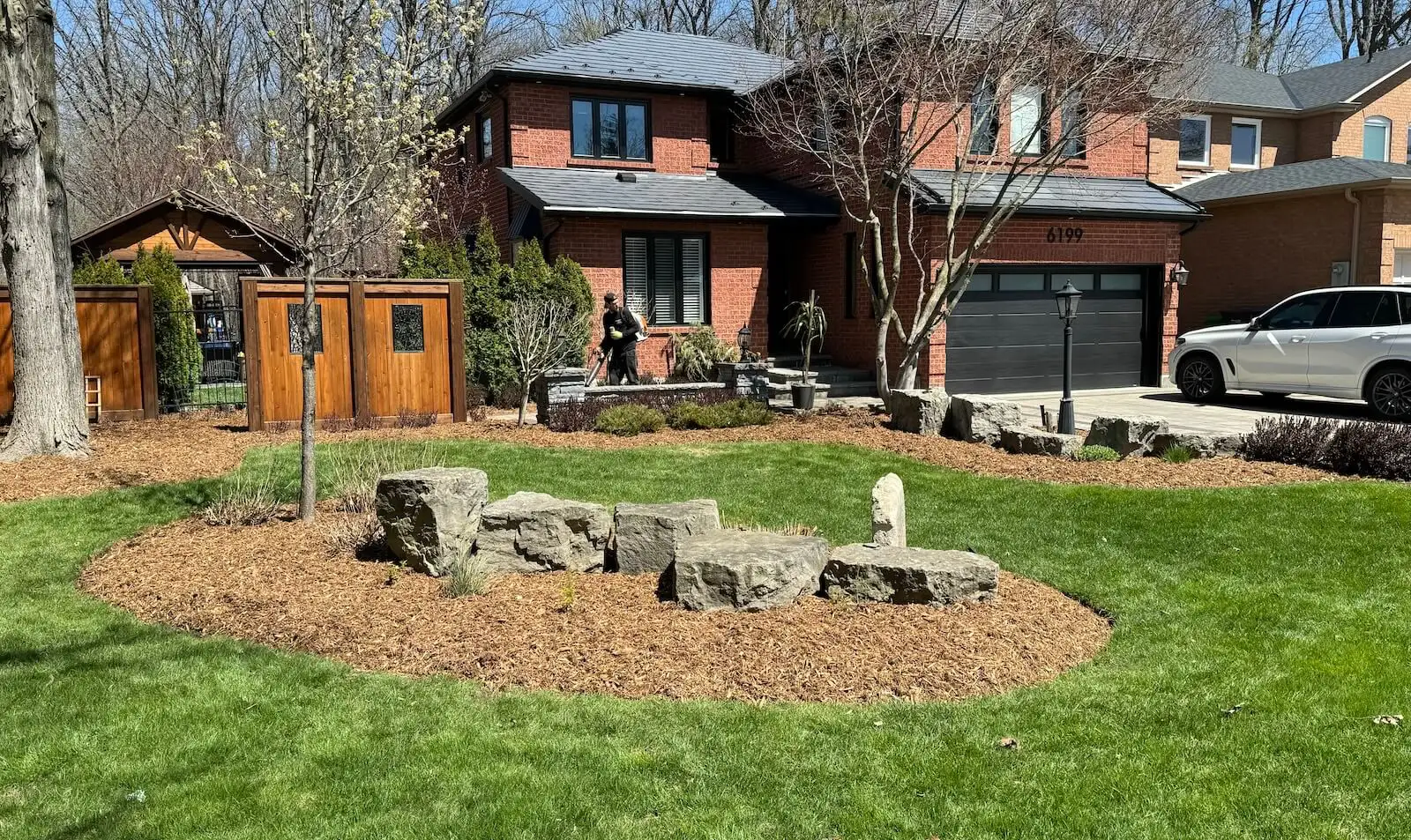
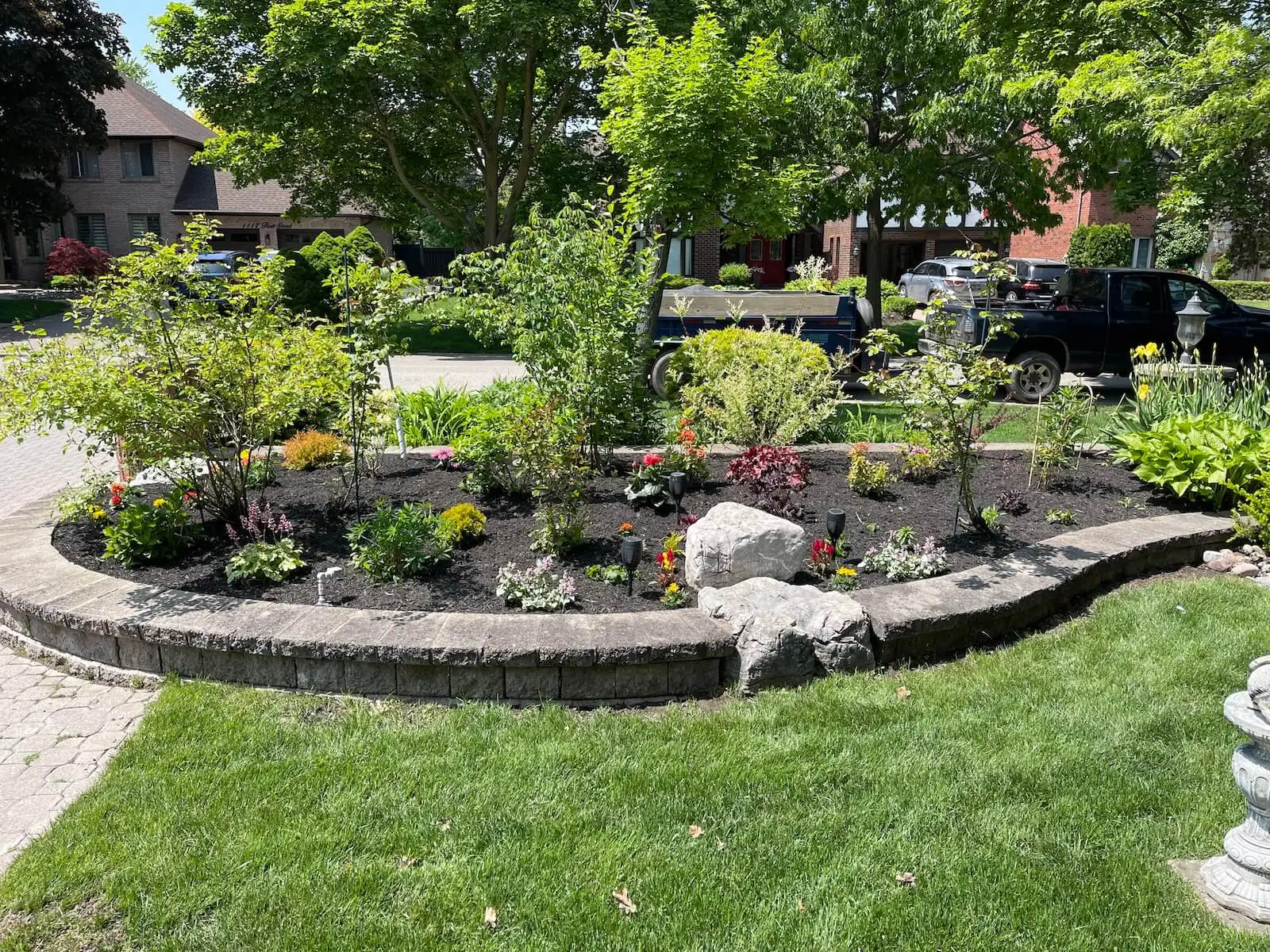
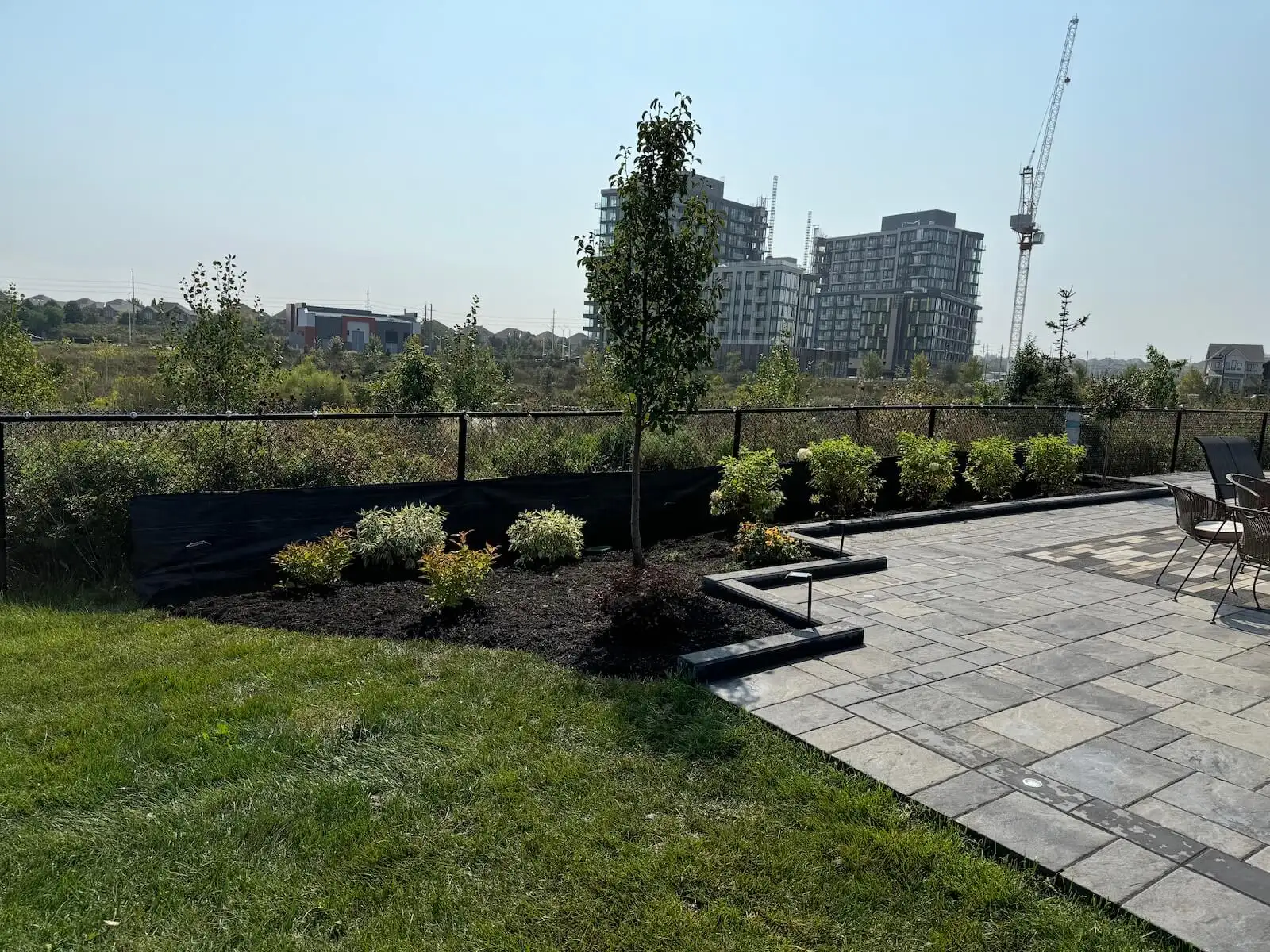
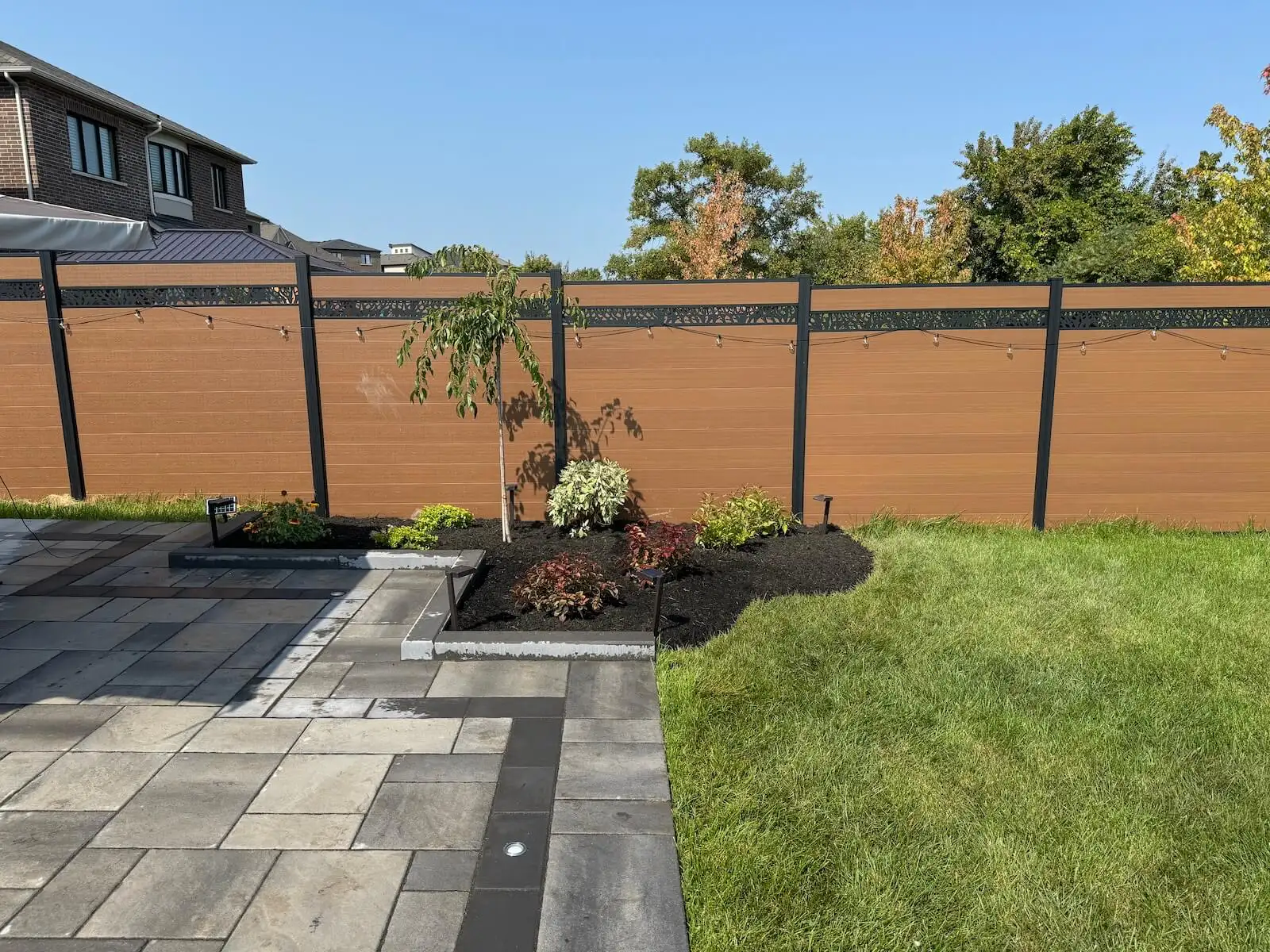
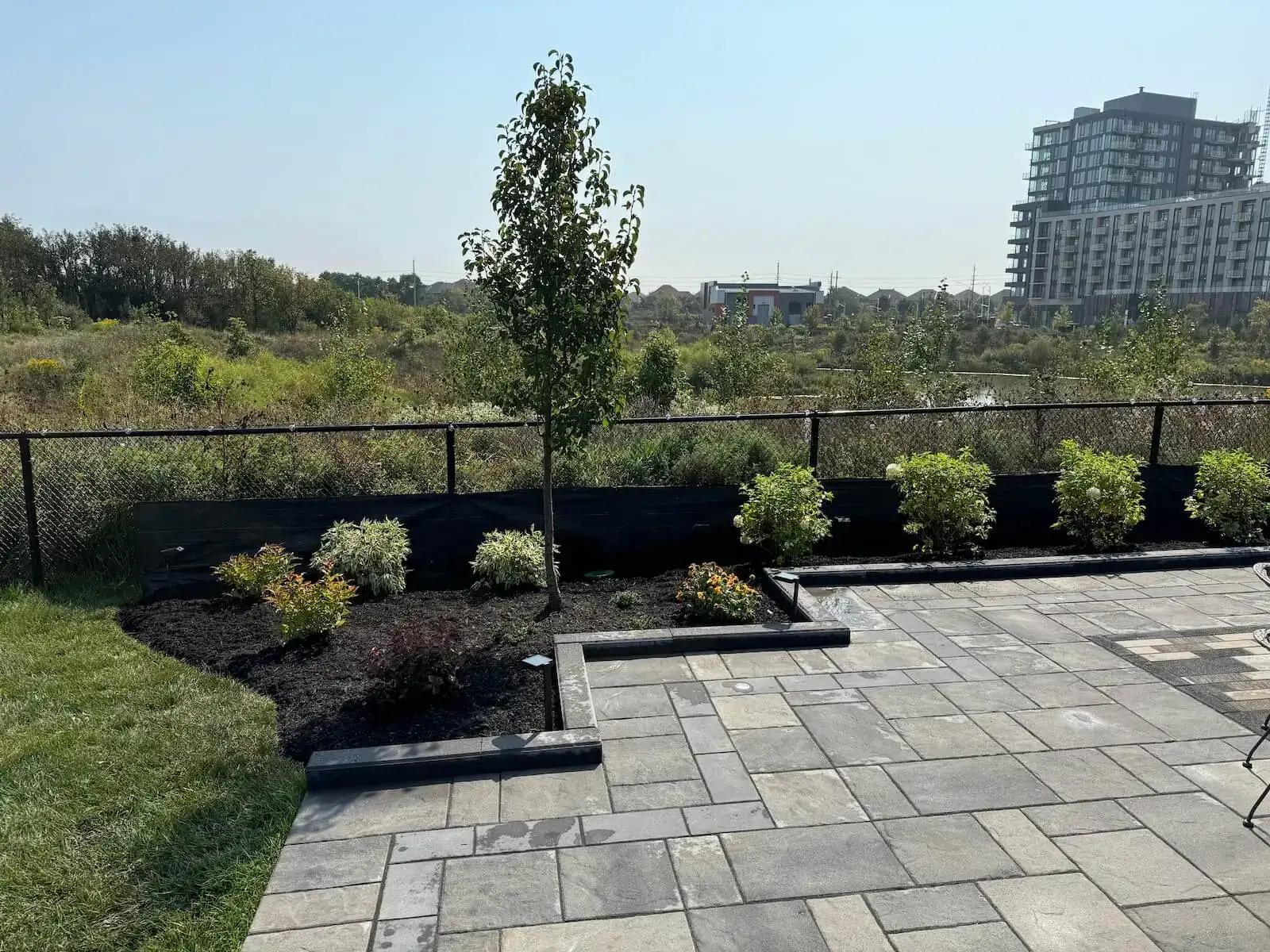
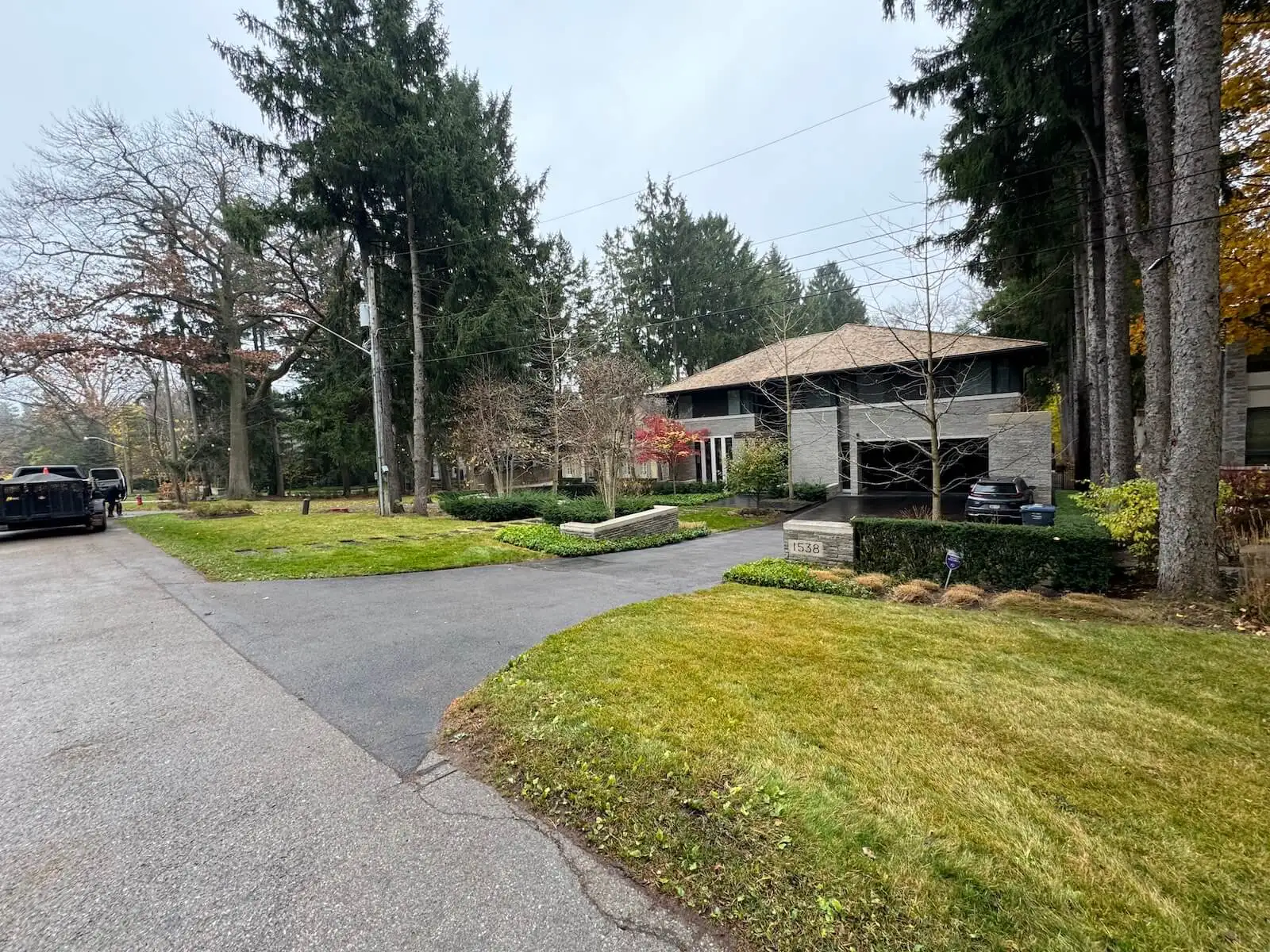
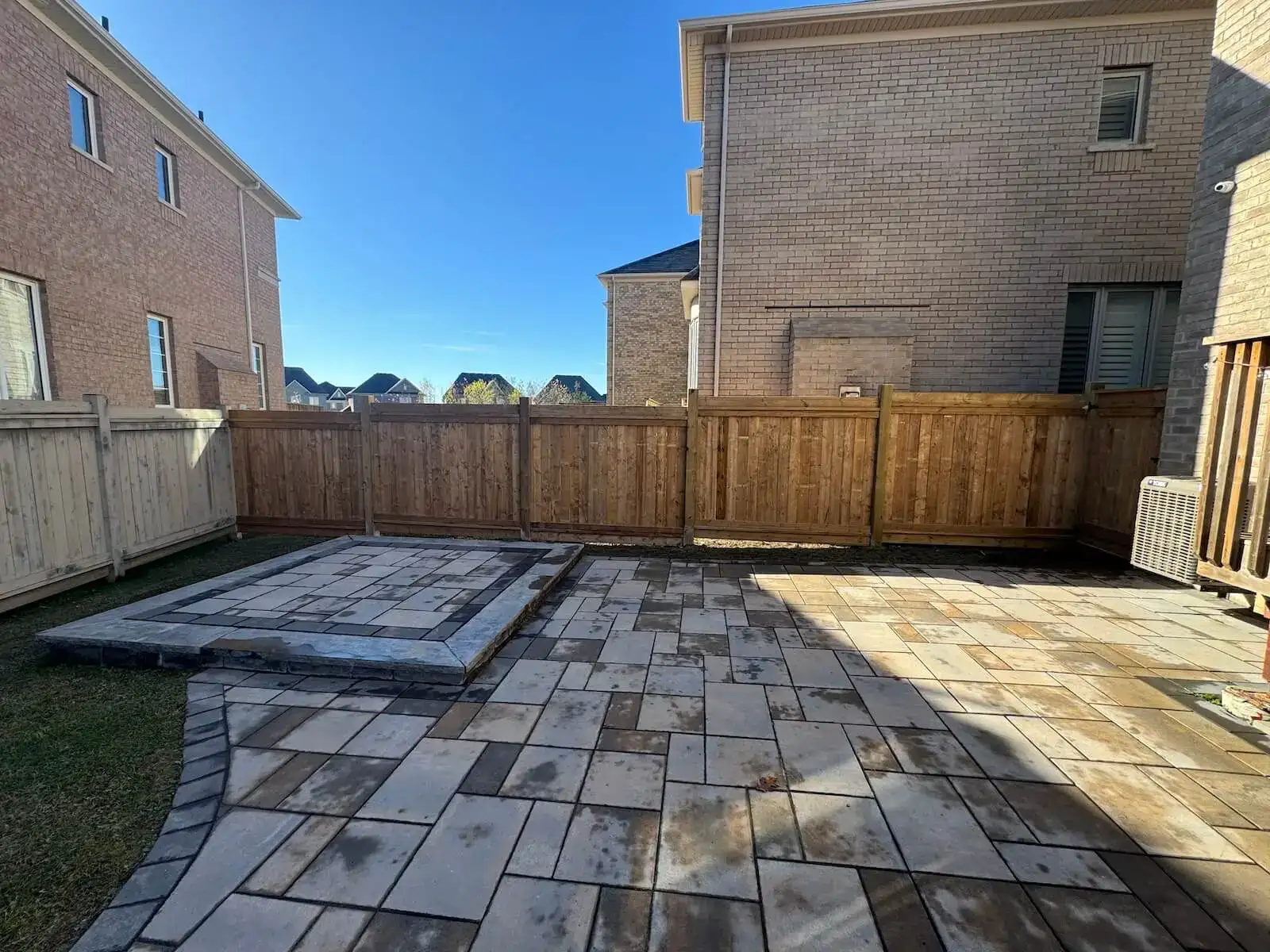
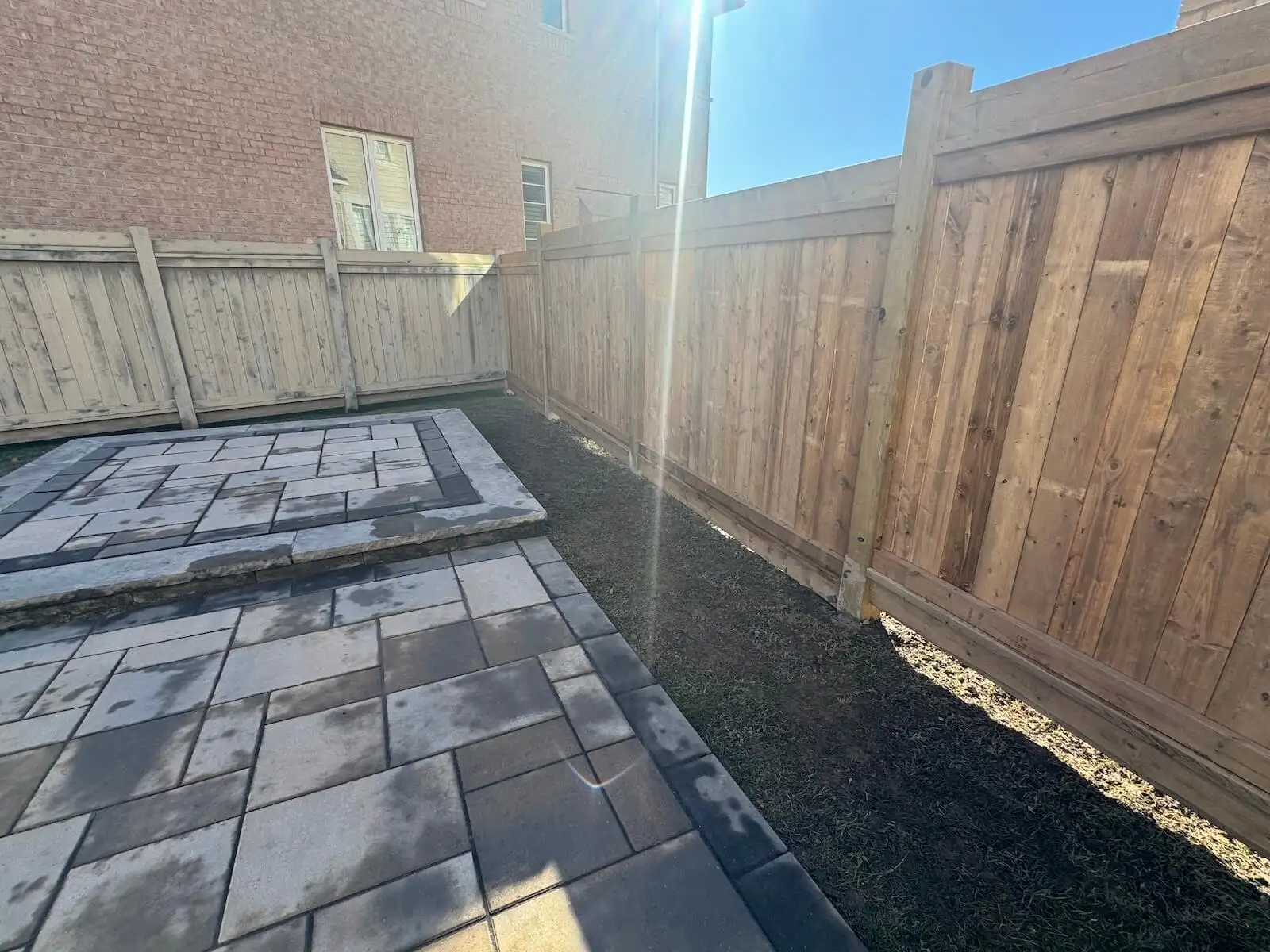
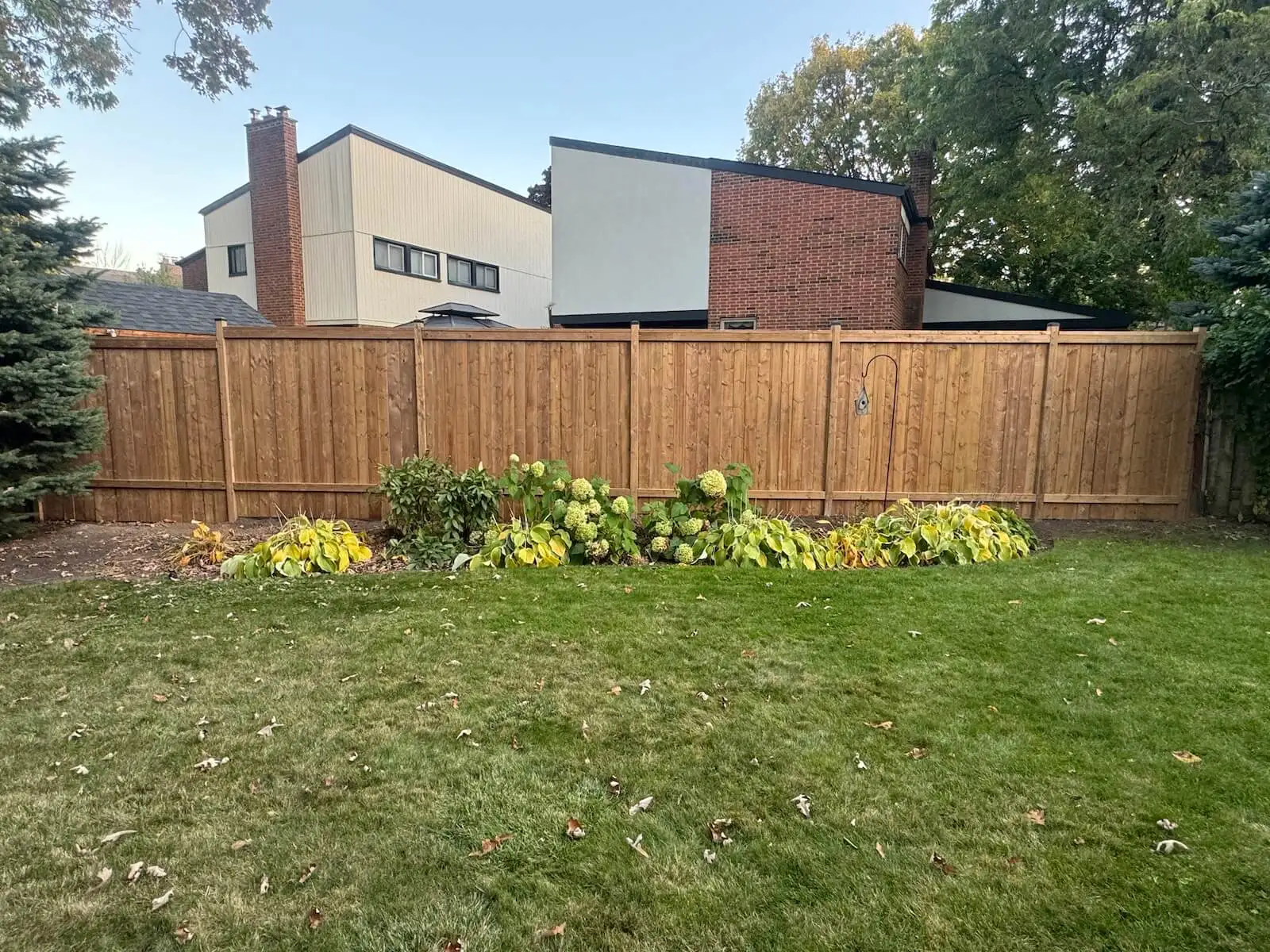
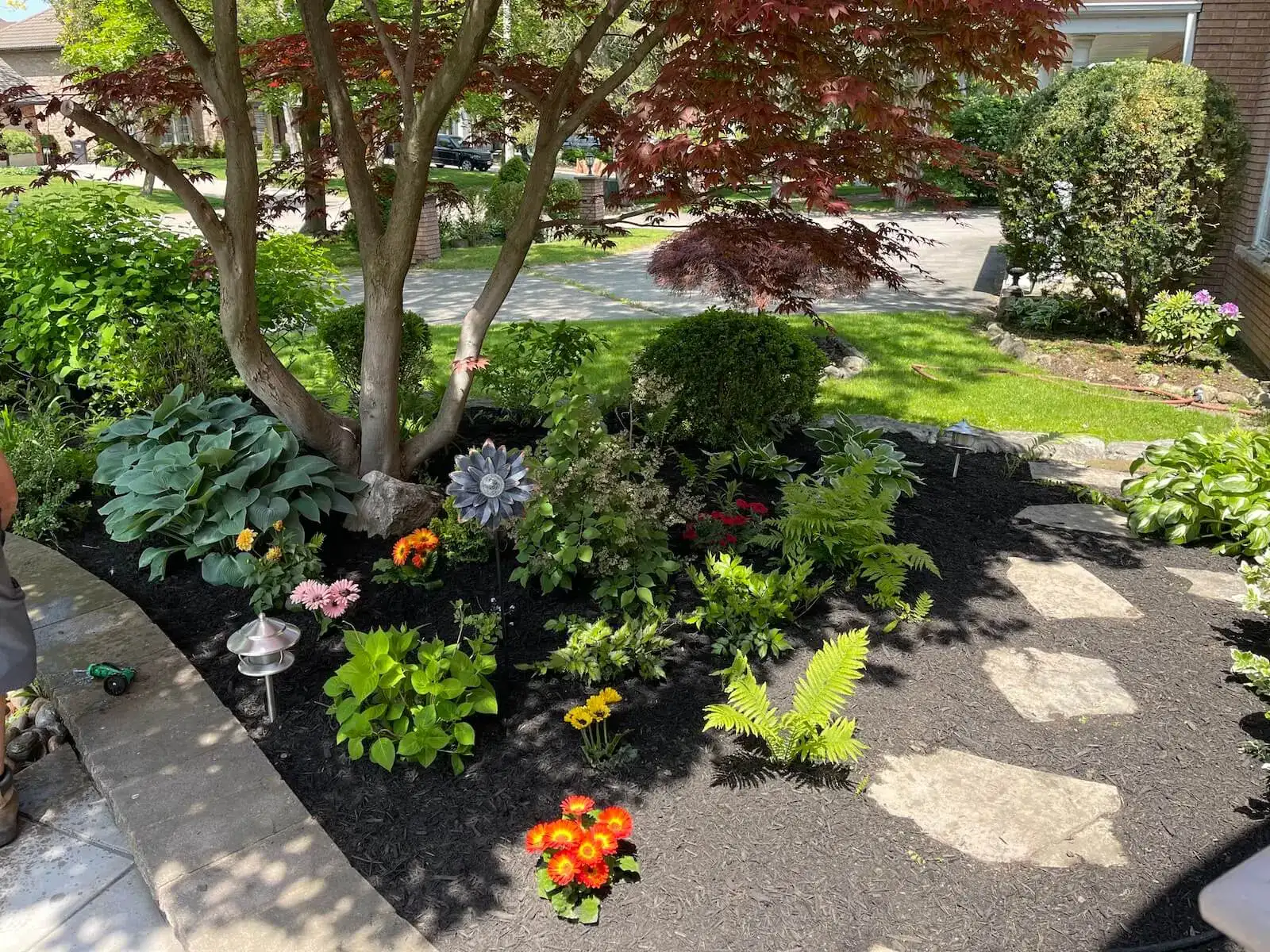
Landscaping covers design, installation, and upkeep of outdoor spaces, balancing form and function. Common services include garden design, plant selection and planting, hardscaping (patios, paths, retaining walls), and irrigation. Good landscaping creates a cohesive exterior that complements the building and can increase market value.
How Does Landscape Design Enhance Property Value?
Thoughtful design boosts curb appeal and buyer interest, and often lowers long-term maintenance through sustainable choices like native plants and efficient irrigation. Properties with professional landscape design commonly see higher perceived value and stronger marketability.
What Are Common Landscaping Installation and Maintenance Services?
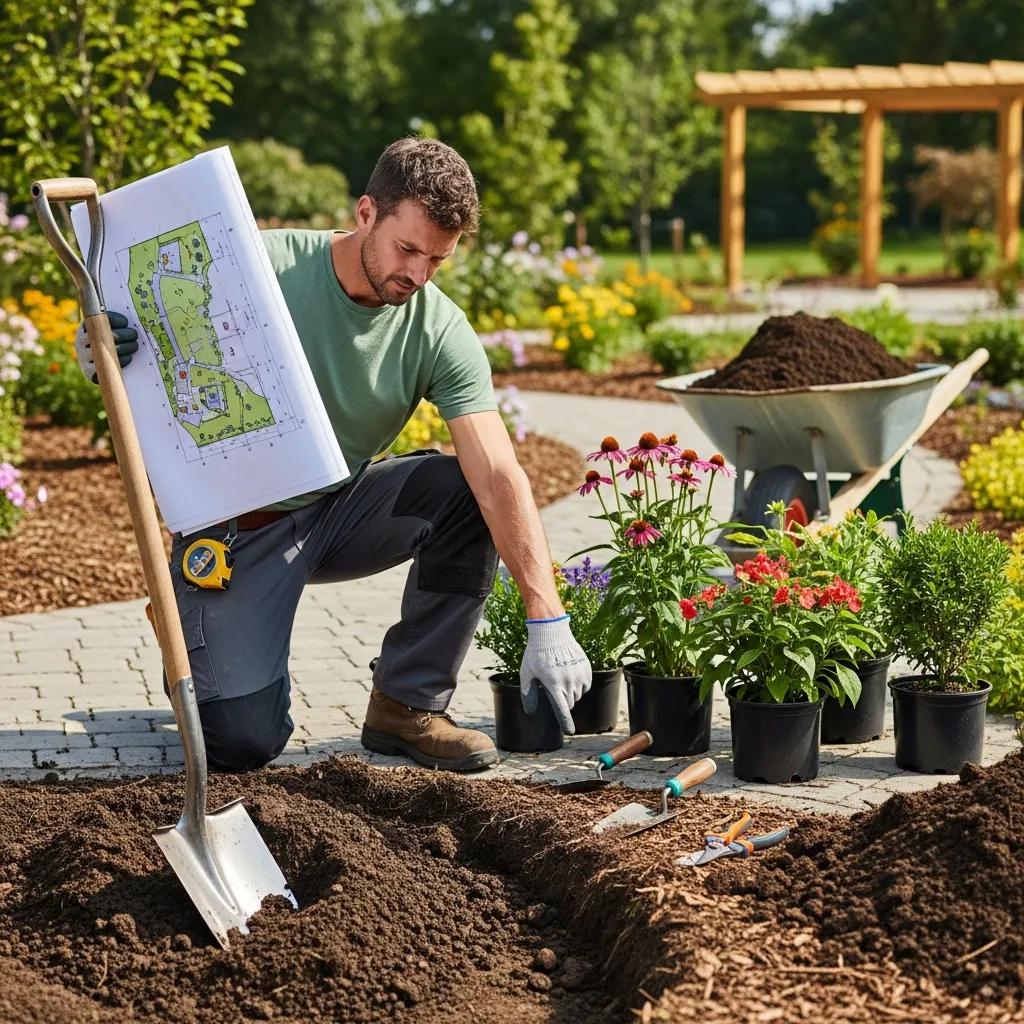
Landscaping companies mix installation and maintenance to create and preserve attractive outdoor areas. Typical offerings include the services in the table below.
| Service | Description | Cost |
|---|---|---|
| Landscape Design | Creating a customized plan for outdoor spaces | Varies based on project size |
| Plant Installation | Selecting and planting trees, shrubs, and flowers | $500 – $2,000 |
| Hardscaping | Installing patios, walkways, and retaining walls | $1,500 – $5,000 |
| Irrigation Systems | Installing and maintaining watering systems | $1,000 – $3,000 |
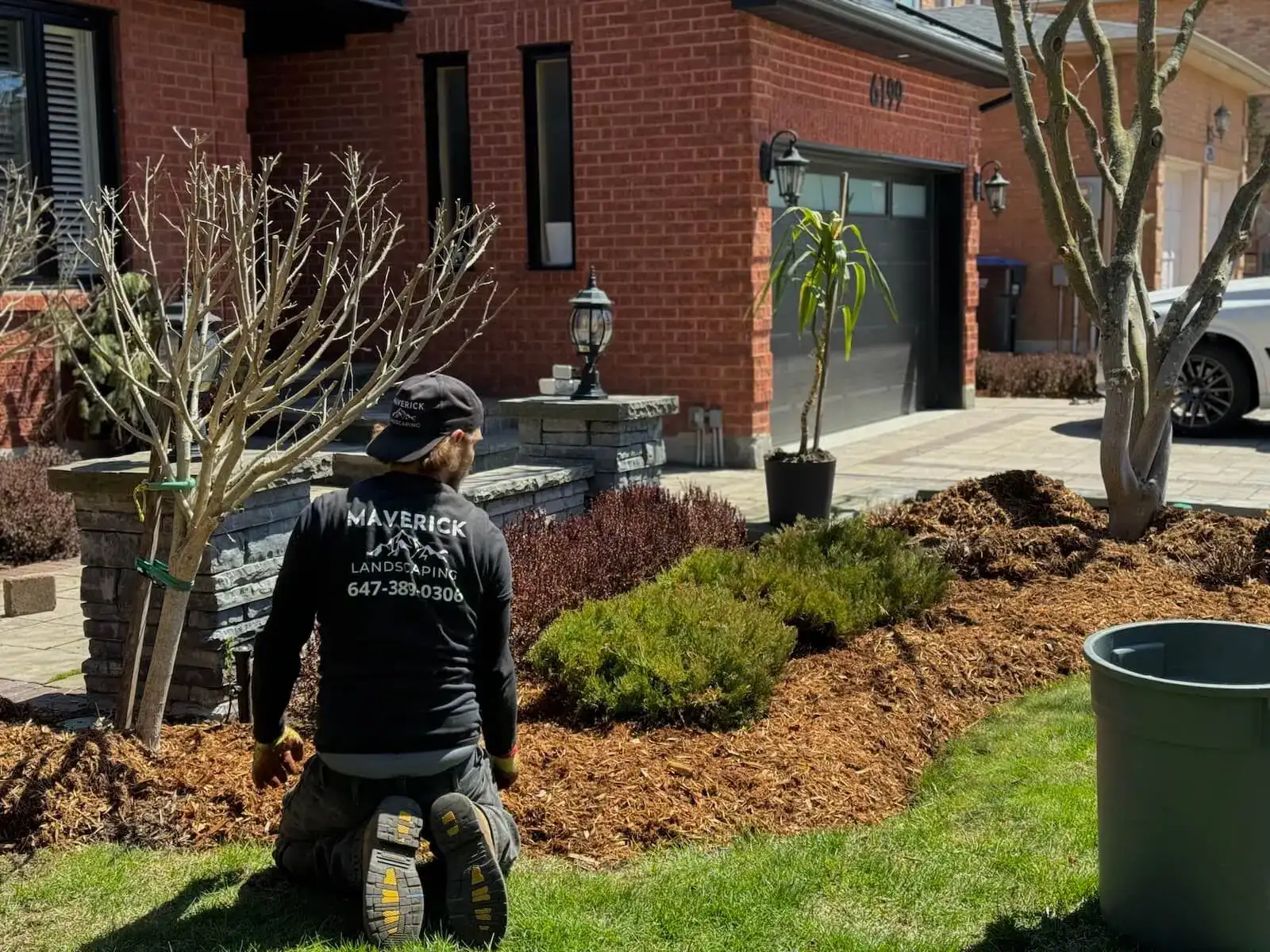
| Seasonal Maintenance | Pruning, mulching, and seasonal planting | $200 – $800 per season |
These services protect plant health and structural elements so outdoor areas remain functional and attractive year-round.
What Does Lawn Care Entail and How Is It Different from Landscaping?
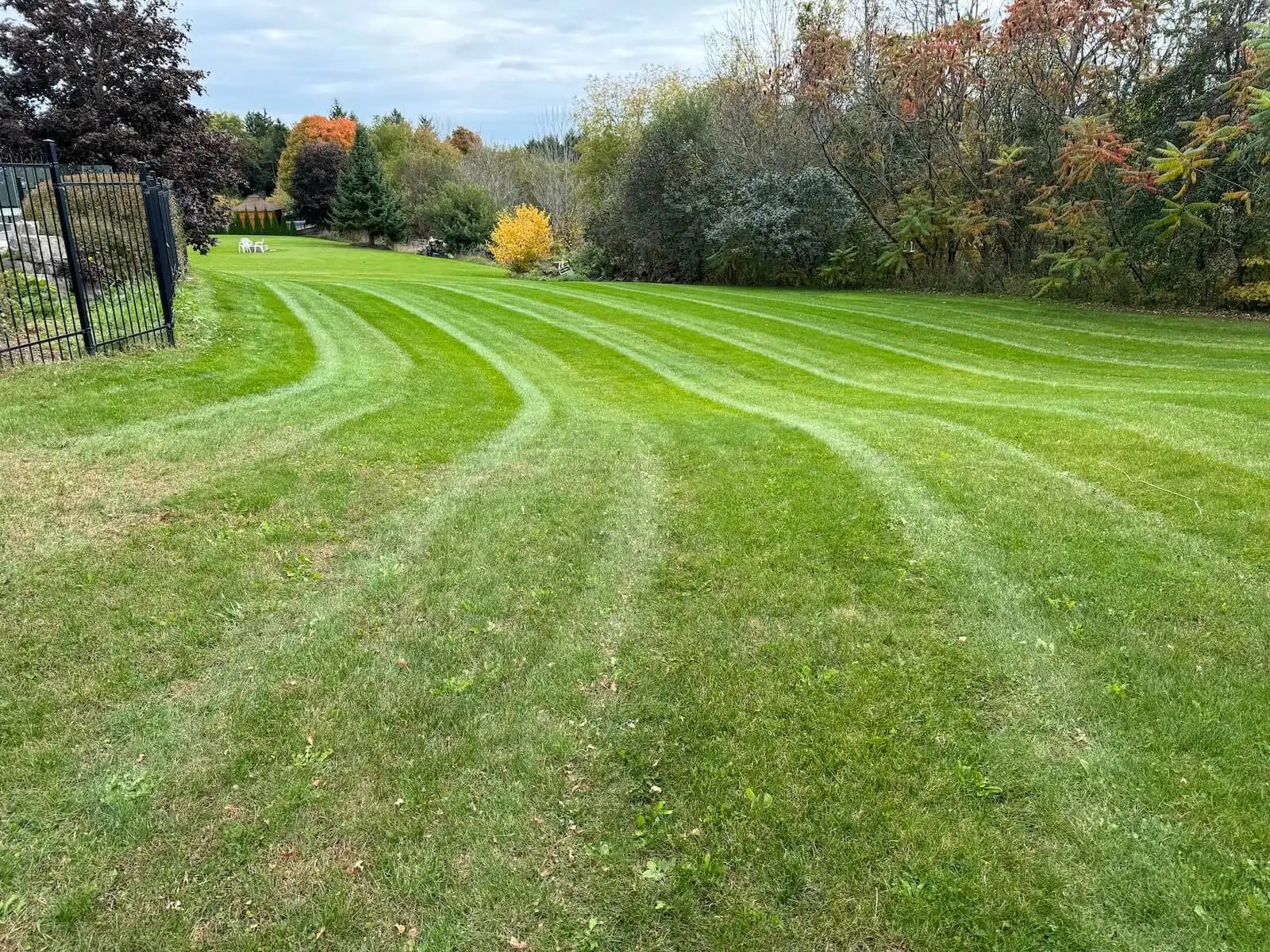
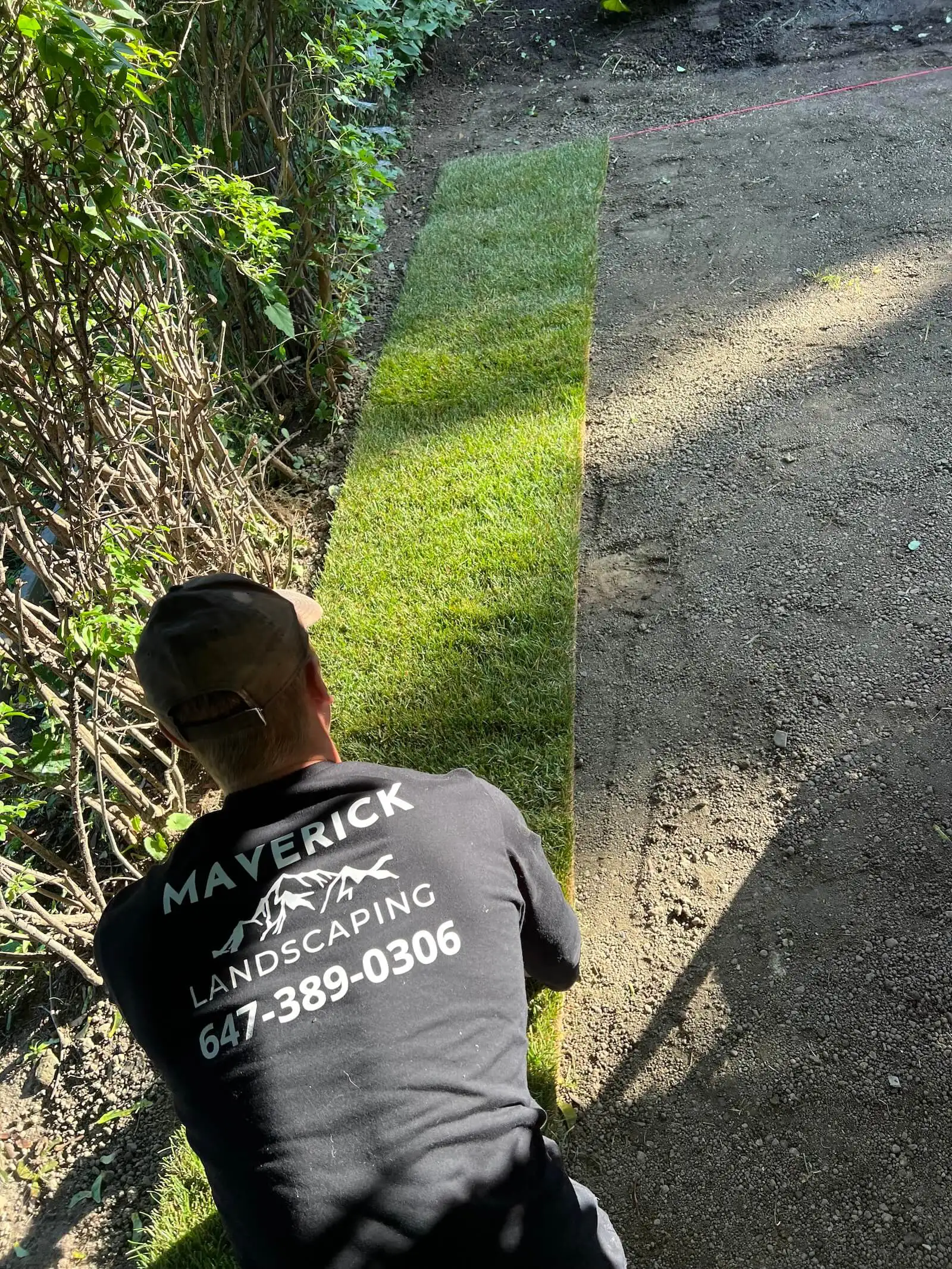
Lawn care focuses on turf health and appearance through routine maintenance: mowing, fertilization, aeration, and weed control. Unlike broader landscaping projects, lawn care emphasizes regular tasks to maintain vigorous grass and reduce pests and disease.
Which Lawn Maintenance Services Are Essential for Healthy Lawns?

Key routine services:
- Mowing: Keep grass at the recommended height to encourage density and limit weeds.
- Fertilization: Supply nutrients to maintain color and vigor.
- Aeration: Relieve compaction so roots receive air, water, and nutrients.
- Weed Control: Remove or prevent competing plants to protect turf health.
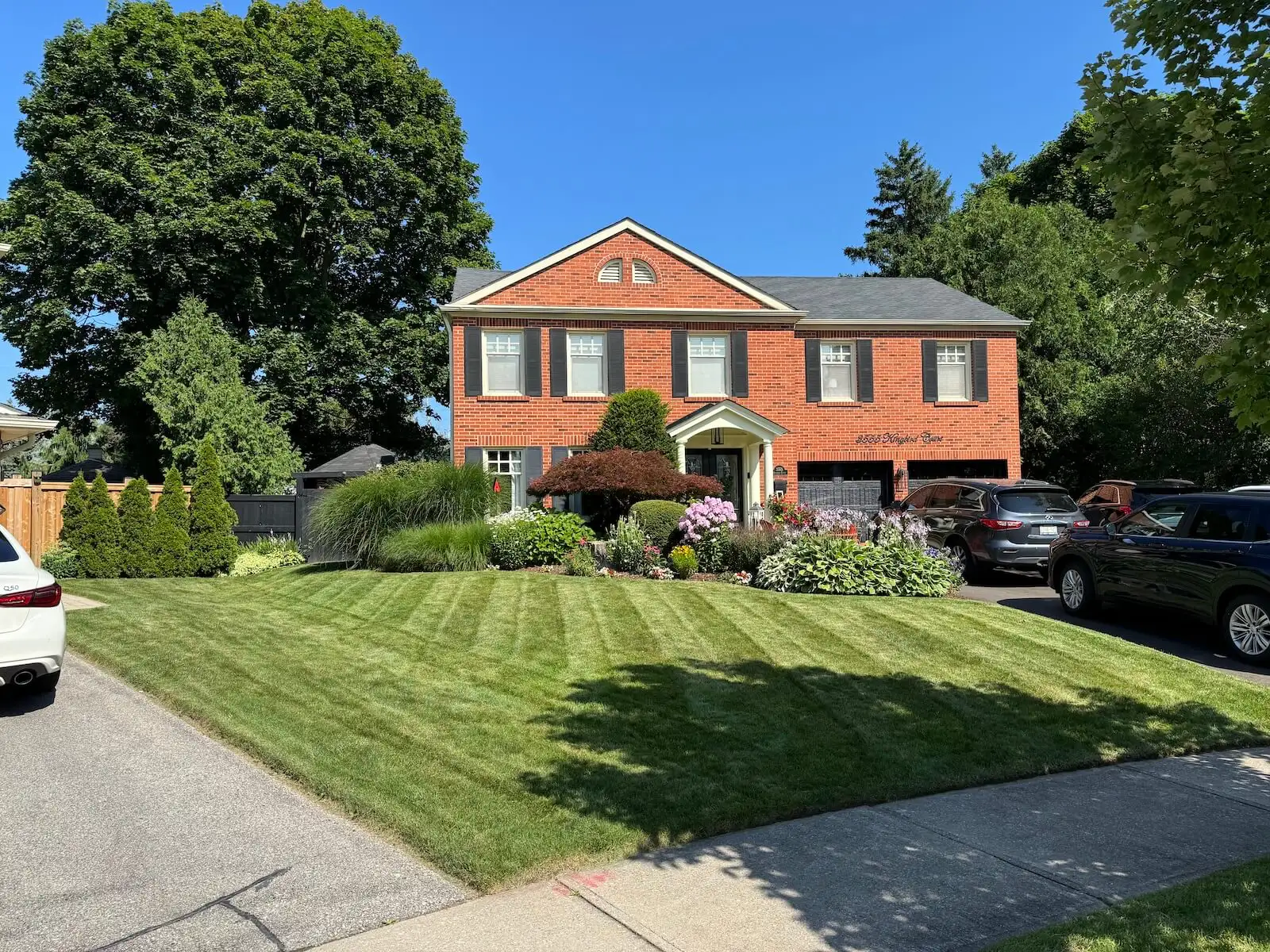
Consistent care produces a thicker, greener lawn that supports overall property appearance.
How Often Should Lawn Care Be Performed for Optimal Results?
Frequency depends on grass type, climate, and season. General guidance: mow every 1–2 weeks in active growth, fertilize 2–4 times per year, and aerate once a year (spring or fall). Regular scheduling keeps turf vigorous and lowers pest and disease risk.
How Do Landscaping Services Cost Compare to Lawn Care Services?
Routine lawn care is typically billed monthly (roughly $100–$300), while landscaping projects range widely—from small installs to multi-thousand-dollar renovations—depending on scope, materials, and complexity. Use clear estimates to plan both short- and long-term budgets.
What Factors Influence Landscaping Services Cost in Canada?
Costs vary with labour rates, material prices, project size and complexity, and seasonal demand. Ask providers for itemized quotes to understand where costs come from.
- Labor Costs: Skilled labour rates vary by region and task complexity.
- Material Costs: Plant, soil, and hardscape material prices differ by quality and availability.
- Project Size and Complexity: Larger or more intricate projects require more time and resources.
- Seasonal Demand: Peak seasons can increase prices.
Knowing these factors supports better budgeting and contractor conversations.
How to Choose Between Landscaping and Lawn Care Services for Your Property?
Decide based on goals, budget, and maintenance commitment. Key considerations:
- Assess Needs: Do you need design/installation or ongoing lawn maintenance?
- Budget: Compare one-time project costs versus recurring maintenance fees.
- Maintenance Commitment: Consider how much time or expense you want to invest long term.
For personalised assistance, Maverick Landscaping offers comprehensive services to help you choose the best approach for your property.
What Landscape Design Ideas Suit Different Property Needs?
Design choices should reflect how you use the space and your maintenance preferences. Common approaches:
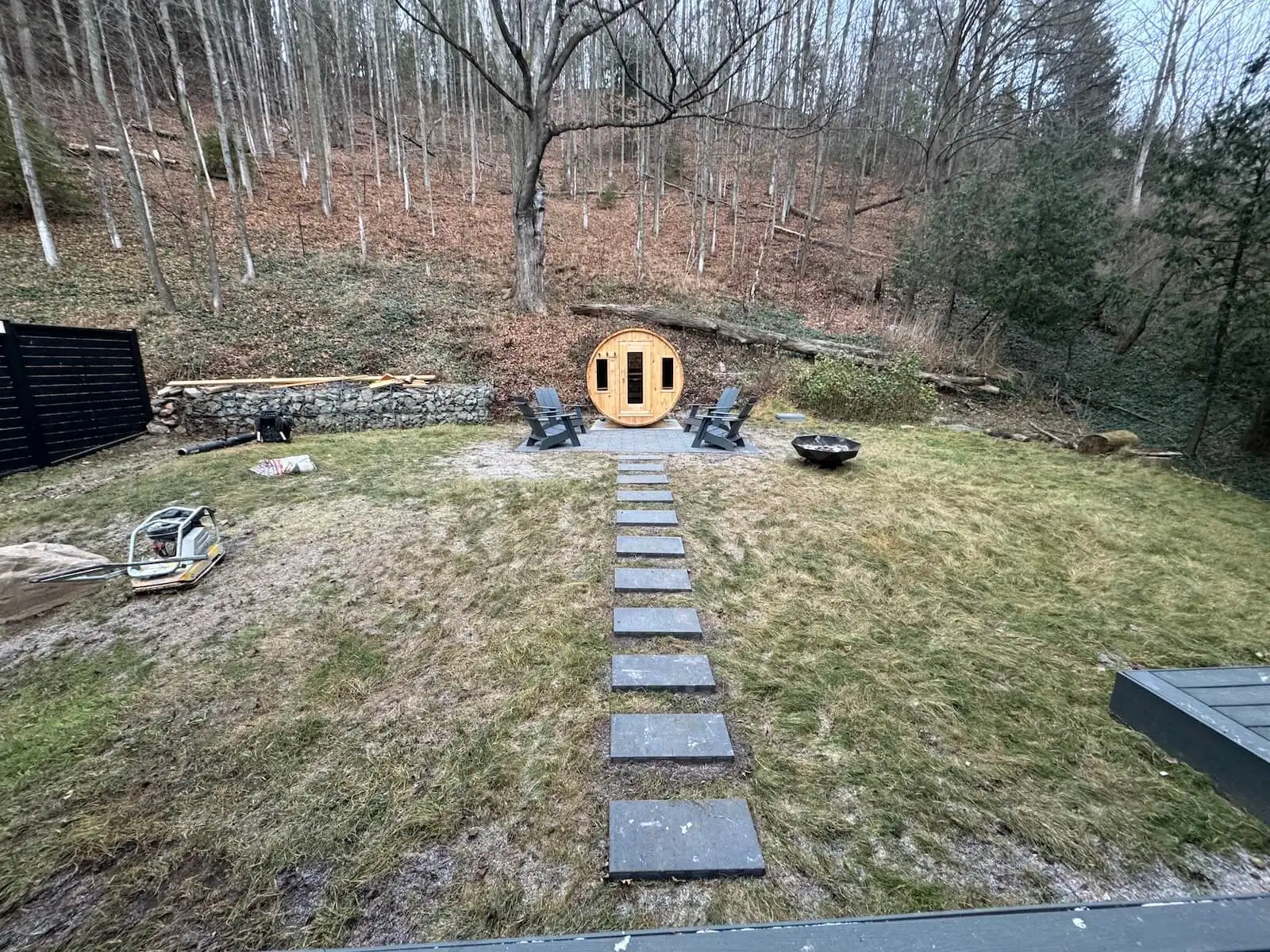
- Outdoor Living Spaces: Add patios, decks, or seating to expand living areas outdoors.
- Low Maintenance Gardens: Use native and drought-tolerant plants to reduce upkeep.
- Sustainable Solutions: Incorporate rain gardens and permeable paving to manage water responsibly.
These options produce functional, attractive exteriors tailored to lifestyle and care expectations.
How Can Personalized Service Improve Customer Satisfaction?
Personalised landscaping aligns plans with homeowner preferences and site conditions. Main benefits include:
- Customized Plans: Designs that reflect your vision and site needs.
- Dedicated Teams: Consistent crews familiar with the property improve quality and efficiency.
- Regular Communication: Ongoing reviews ensure the project stays on track and meets expectations.
Prioritising personalised service builds lasting client relationships and better outcomes.
For businesses that require winter support, Maverick Landscaping also offers commercial snow removal services in Mississauga.
Frequently Asked Questions
What are the benefits of hiring a professional landscaping service?
Professionals bring design expertise, plant selection knowledge, quality materials, and project management. They understand local climate and soil conditions, reducing mistakes and saving time while delivering a cohesive, functional outdoor space.
How can I maintain my lawn during extreme weather conditions?
Adjust care to conditions: during drought water deeply but less often (early morning or late evening); after heavy rain, improve drainage; raise mowing height in dry times and avoid scalping in wet periods. Monitor and adapt schedules as needed.
What types of plants are best for low-maintenance landscaping?
Choose native species, perennials, and drought-tolerant plants (e.g., certain ornamental grasses and succulents). These choices need less water and replanting. Use mulch to reduce evaporation and suppress weeds.
How can I improve the sustainability of my landscaping?
Increase sustainability by choosing native plants, adding rain gardens, using permeable paving, and installing efficient irrigation such as drip systems. These measures reduce runoff, water use, and long-term maintenance.
What should I consider when planning a landscape design project?
Plan around budget, intended uses (entertaining, gardening, relaxation), and local site factors (sun exposure, soil, drainage). Design for activities and realistic maintenance levels; consult a professional for a practical execution plan.
How can seasonal changes affect my landscaping choices?
Seasonality guides plant selection and timing: plant spring bloomers early, choose heat-tolerant varieties for summer, and establish perennials or trees in fall. Schedule seasonal tasks—mulching in autumn and winterising irrigation—to protect plants year-round.