








What is Interlocking in Landscaping? The Blueprint for Crack-Resistant Outdoor Spaces
Discover how interlocking stone creates durable, flexible surfaces that survive harsh winters—without the ugly cracks and costly repairs of poured concrete.
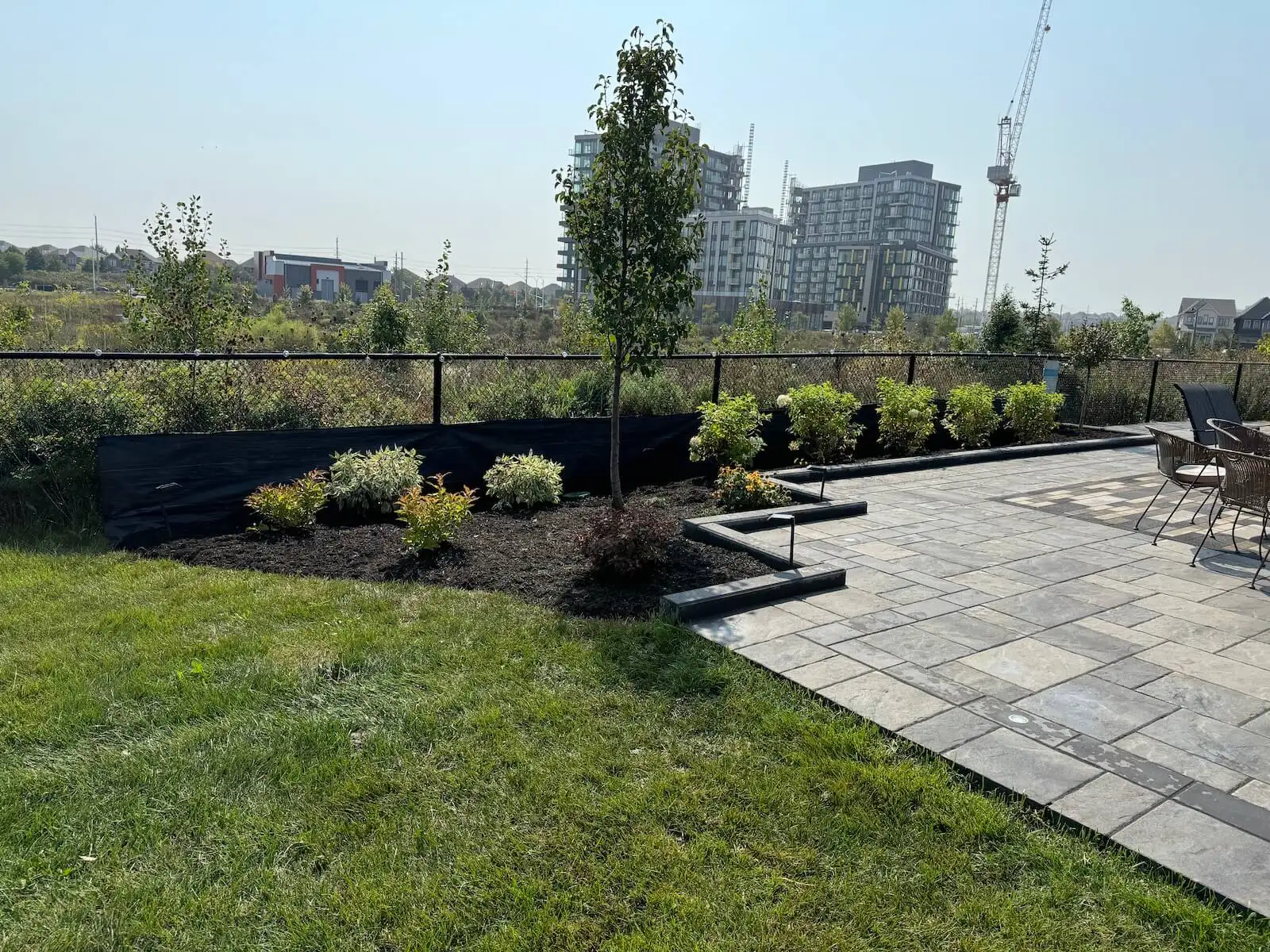
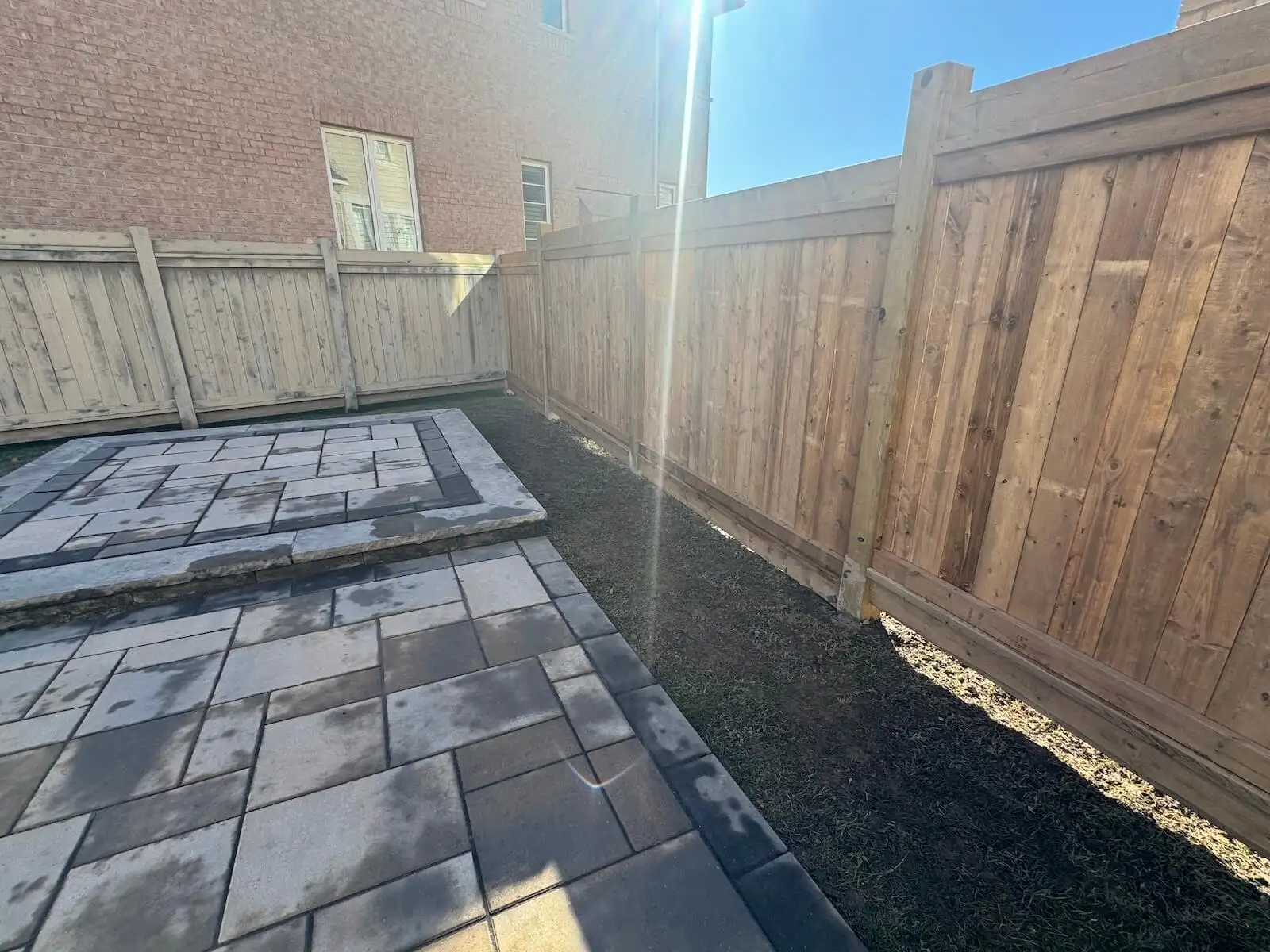
What is interlocking in landscaping? It is a paving system where individual stones—known as interlocking pavers—are fitted tightly together over a crushed stone base without the use of mortar. Instead of rigid cement, fine sand is swept into the joints, allowing the stones to mechanically “lock” together to form a continuous, stable surface.
Here is the hard truth: poured concrete slabs are almost guaranteed to crack over time, especially in cold climates. An interlocking patio or driveway solves this by distributing weight across hundreds of smaller, individual pieces.
But why does this specific method prevent the severe winter damage that ruins traditional driveways? The answer lies beneath the stones.
How Do Interlocking Pavers Actually Work?
Let’s look under the surface.
A successful interlocking landscaping project is not just about laying bricks on dirt. It relies on a multi-layer foundation designed to handle heavy loads and natural ground movement.
-
The Base: A deep layer of compacted gravel creates a stable, load-bearing foundation.
-
The Bedding: A thin layer of coarse sand sits on top of the gravel to give the stones a level resting place.
-
The Pavers: Individual interlocking stones are laid tightly together in a specific geometric pattern.
-
The Jointing Sand: Polymeric sand (a fine sand mixed with binding additives) is swept into the gaps. When activated by water, this sand hardens to lock the entire surface together while maintaining slight flexibility.
Because these micro-joints allow for tiny movements, the pavement can flex. When the ground freezes and expands, the pavers shift slightly instead of snapping in half.

The Hidden Cost of Concrete: Why Interlock Wins in Cold Climates
If you live in a region with severe freeze-thaw cycles, your driveway is under constant attack. Water seeps into solid concrete or asphalt, freezes, expands, and shatters the surface. Fixing a cracked concrete slab usually means tearing out the entire section—a messy and expensive nightmare.
Combining interlocking and landscaping design offers a built-in insurance policy against this damage:
-
Climate Durability: The flexible joints absorb the stress of expanding ice. The system moves with the earth, preventing major structural damage.
-
Seamless Repairs: If a heavy impact or oil spill ruins a single interlocking stone, you do not have to replace the whole driveway. You simply pull out the damaged piece and replace it. The surface is “unzipped” and “zipped” back up with zero visible patching.
5 Undeniable Benefits of Interlocking Pavers
What exactly do you gain by choosing this system over traditional hardscaping?
-
Heavy-Duty Strength: Interlocking systems are often up to three times stronger than standard poured concrete, easily supporting heavy vehicles without buckling under the pressure.
-
Low Maintenance: High-quality polymeric joint sand blocks weed growth and resists insect damage. You spend less time pulling weeds and more time enjoying your yard.
-
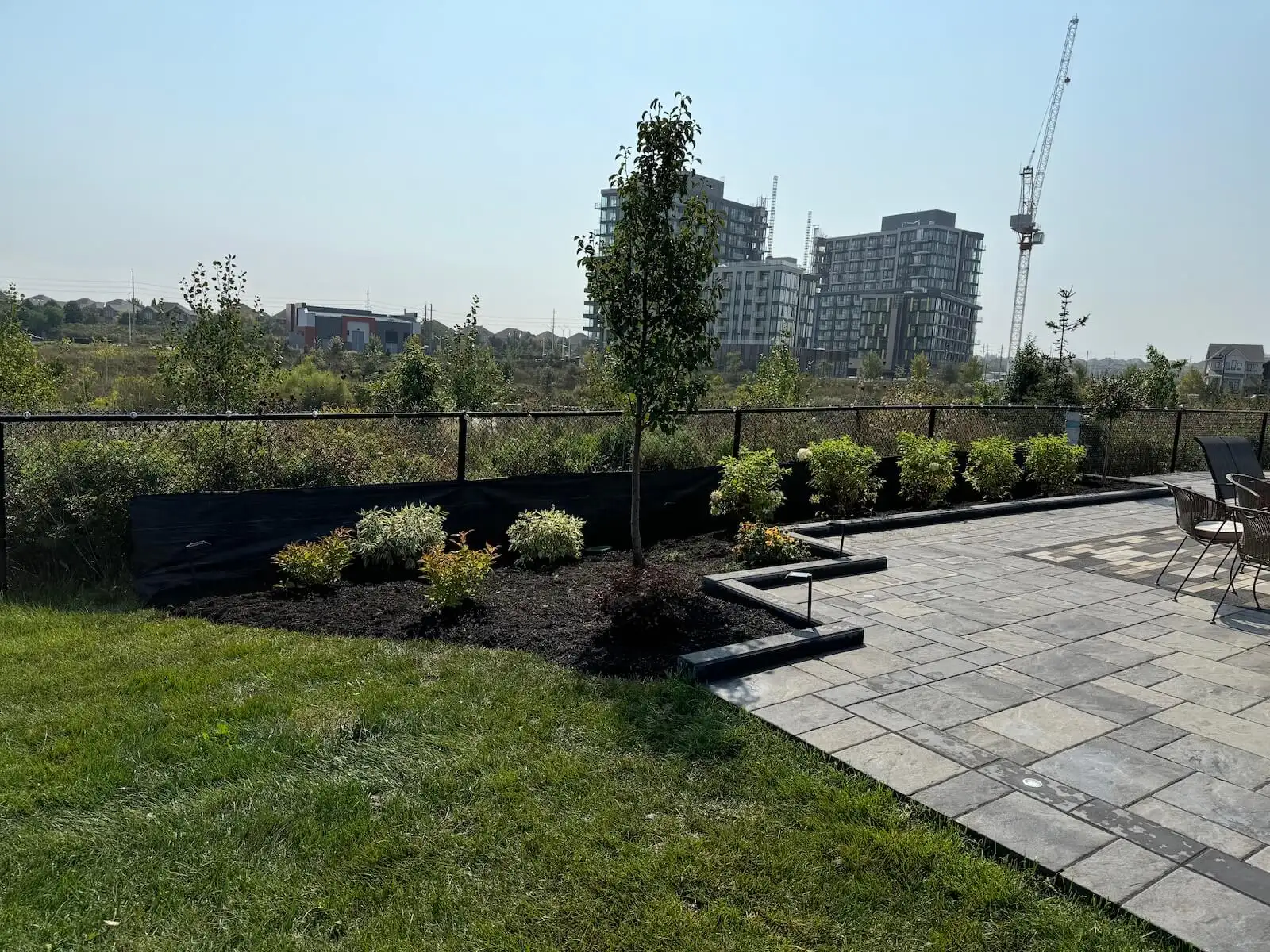
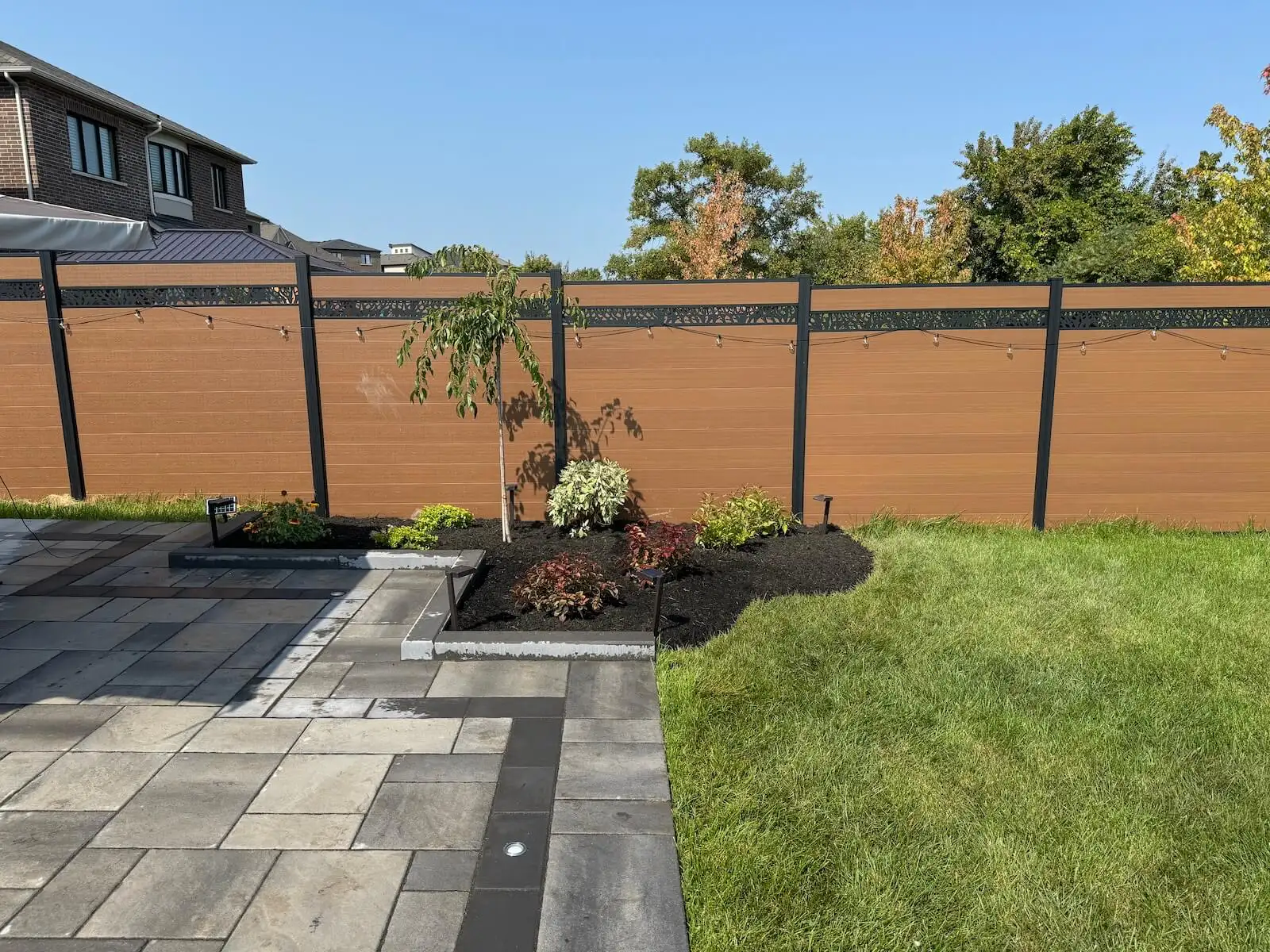
Endless Design Options: From sleek modern slabs to rustic cobblestone, there are dozens of types of interlocking pavers available in various colors, textures, and materials to match your home’s architecture.
-
Eco-Friendly Drainage: Many paver systems are permeable, allowing rainwater to filter back into the groundwater rather than overwhelming city sewers. This reduces puddling and prevents soil erosion.
-
High Return on Investment (ROI): A well-designed interlocking stone patio instantly elevates your home’s curb appeal and increases overall property value. Buyers recognize and pay for low-maintenance durability.
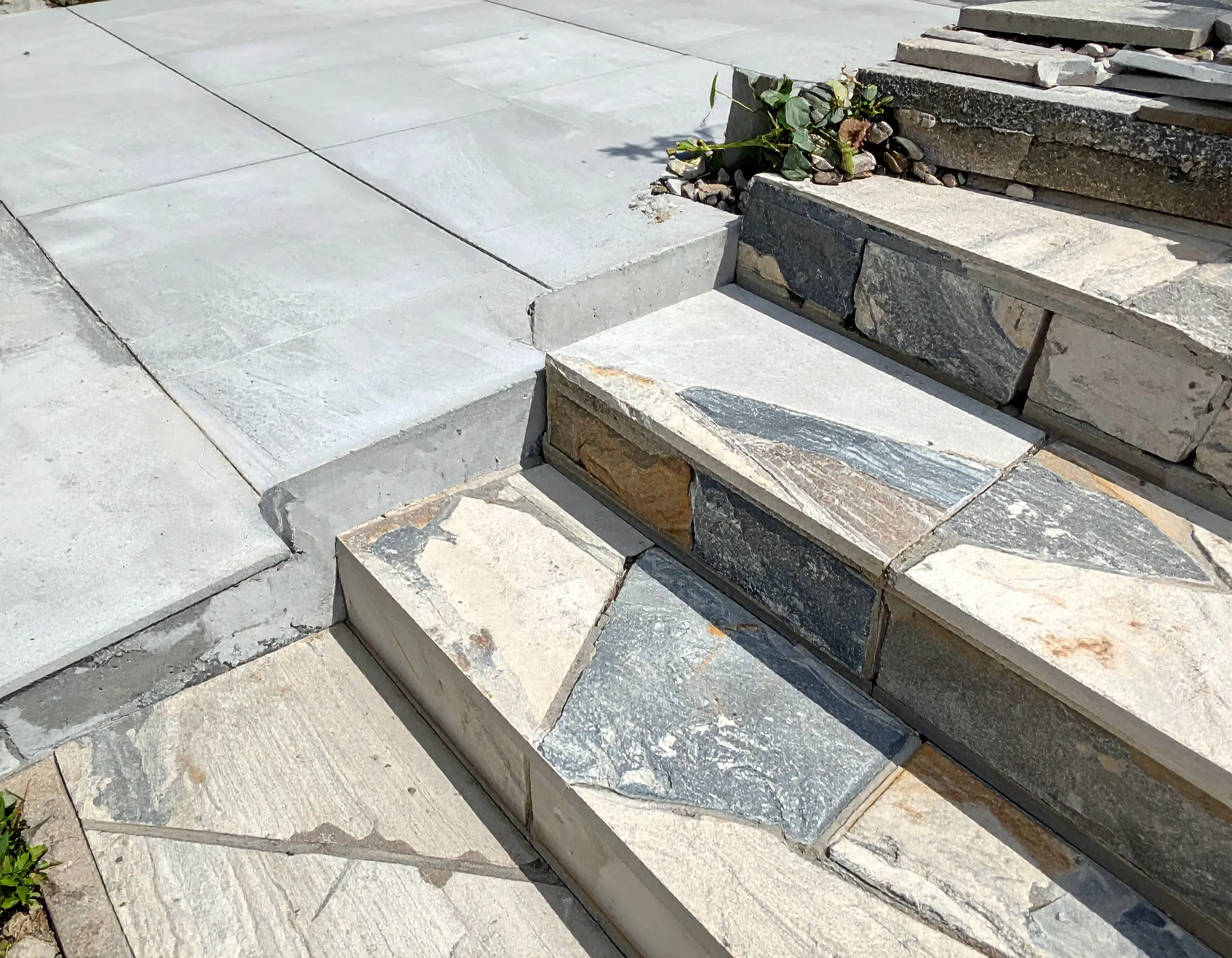
Popular Applications for Backyard Interlocking and Beyond
You can use this system for nearly any flat outdoor surface. Here is where homeowners utilize it most:
-
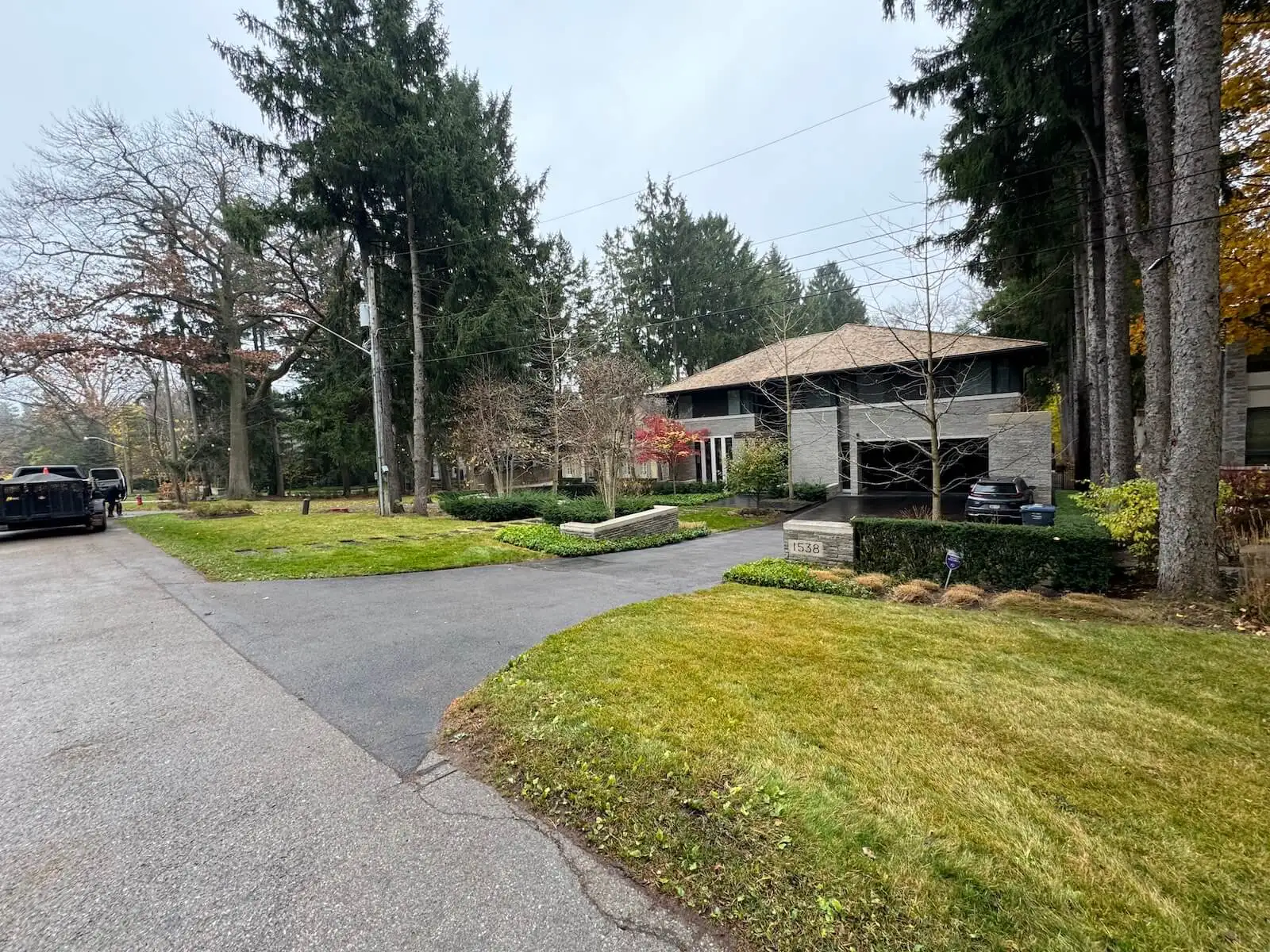
Driveways: Build a custom entrance that safely supports parked cars and heavy foot traffic.
-
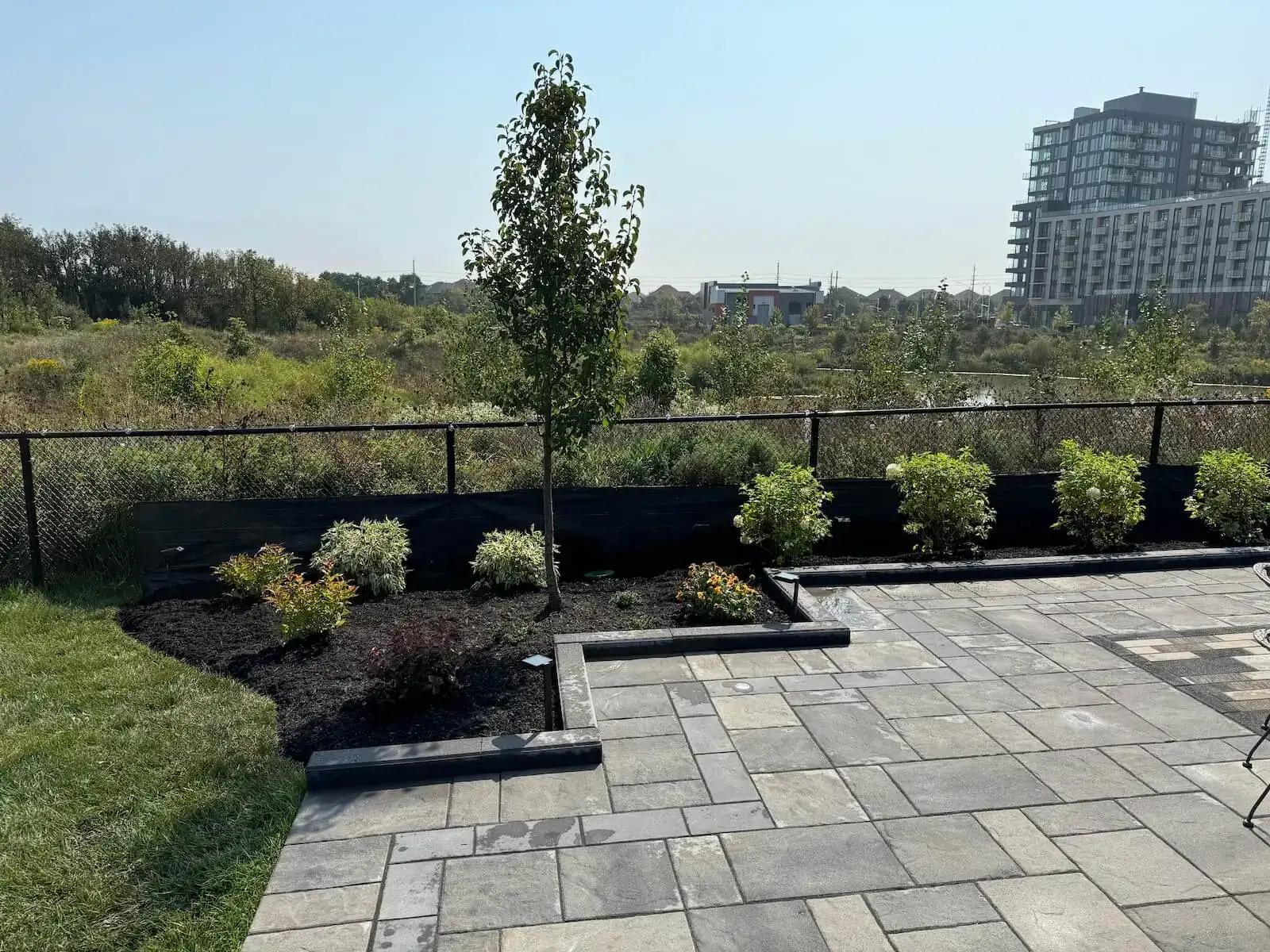
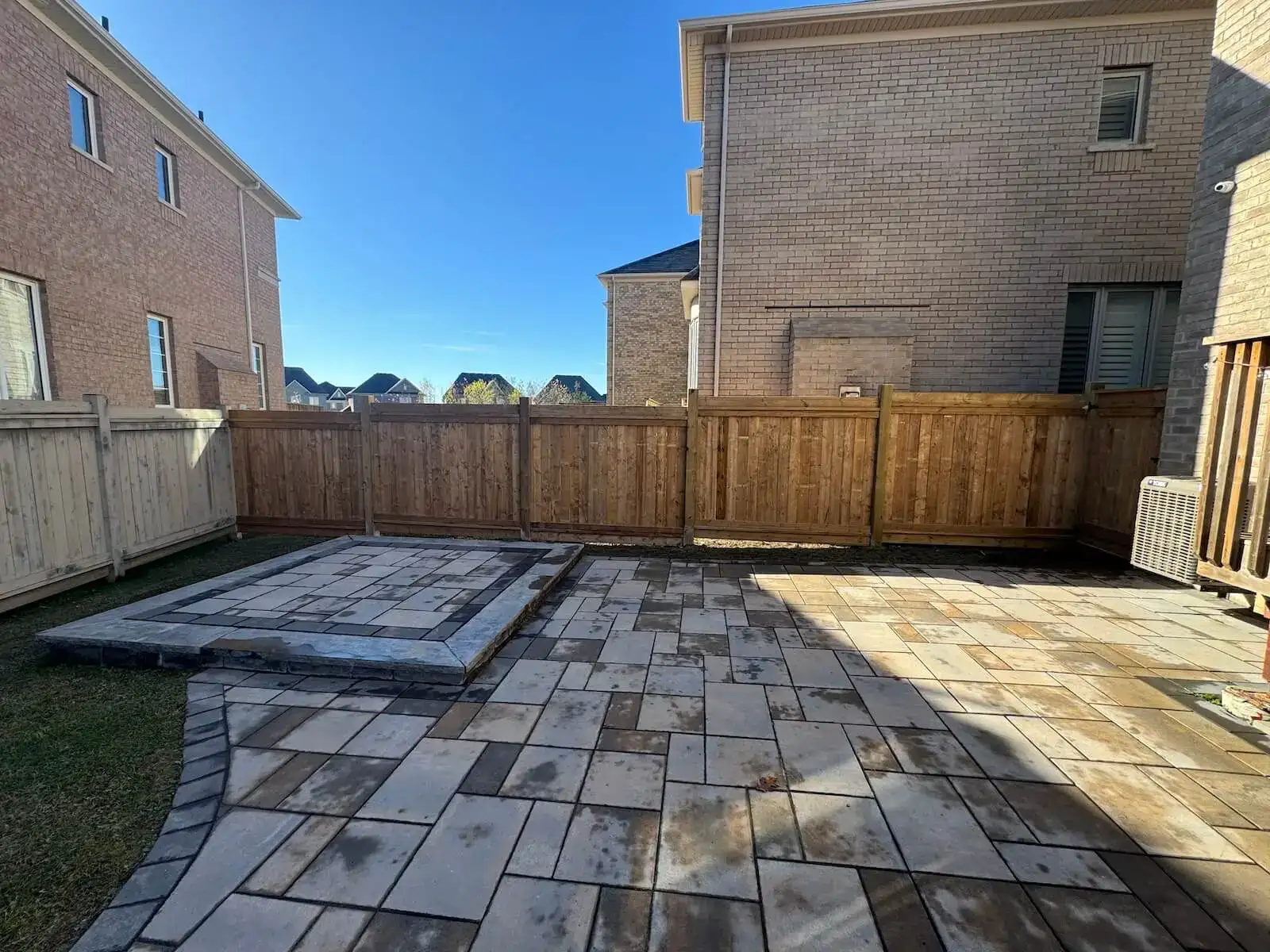
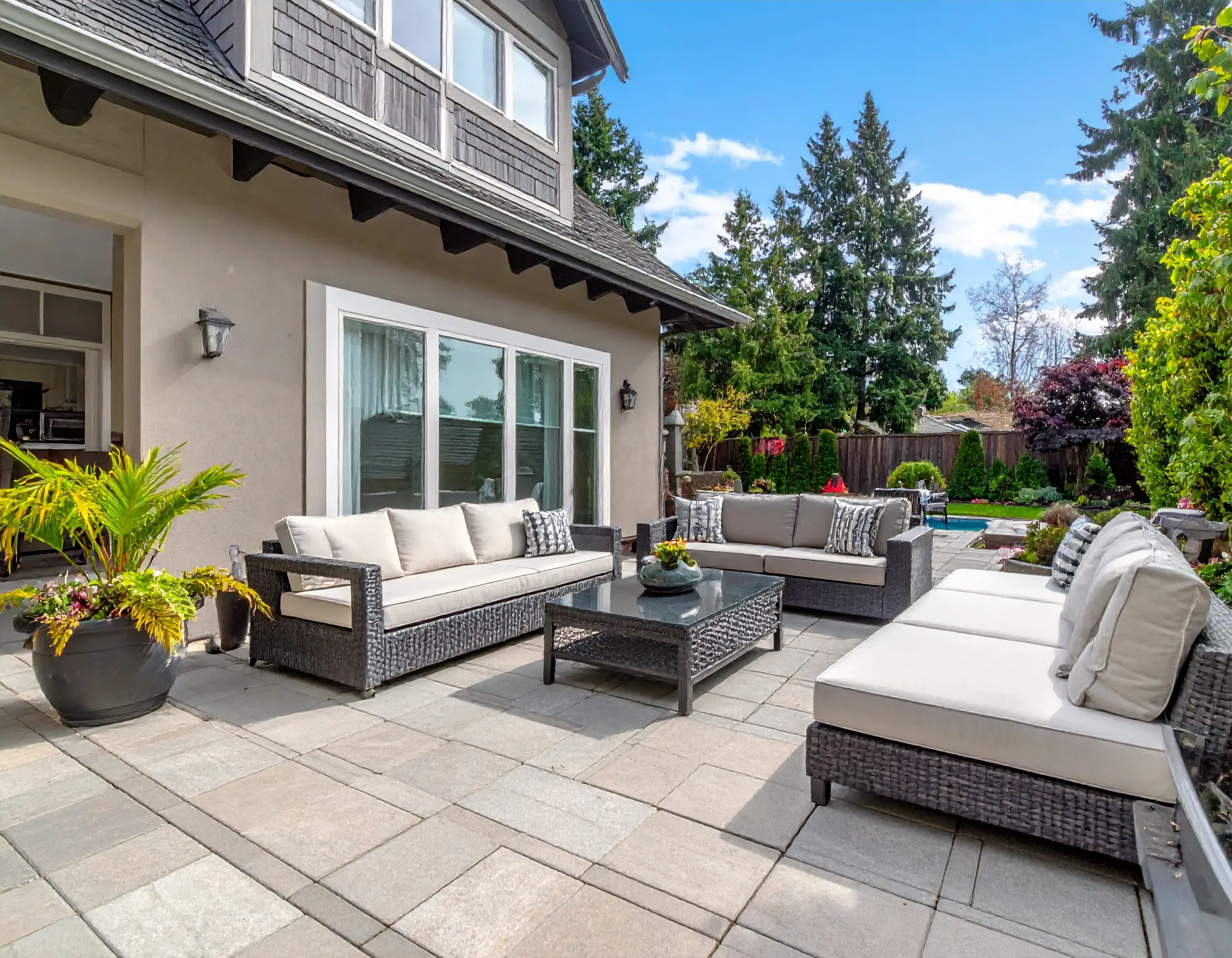
Patios and Terraces: Define your outdoor dining, barbecuing, or lounging areas with a surface that will not crack under your furniture.
-
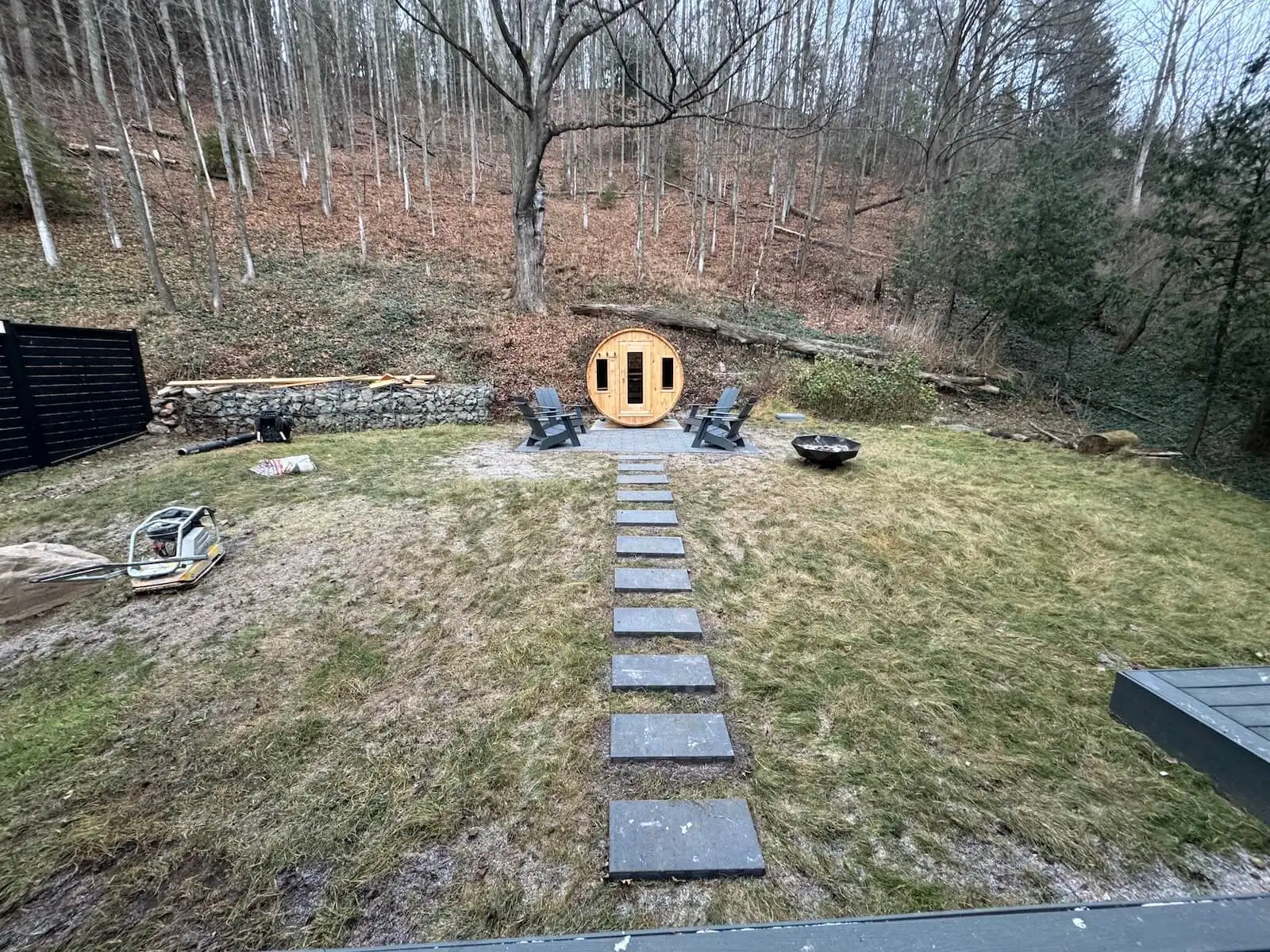
Walkways and Garden Paths: Guide guests safely to your front door with slip-resistant, mud-free paths.
-
Pool Decks: Choose heat-reflective, textured stones for a safe, comfortable surface for bare feet.
-
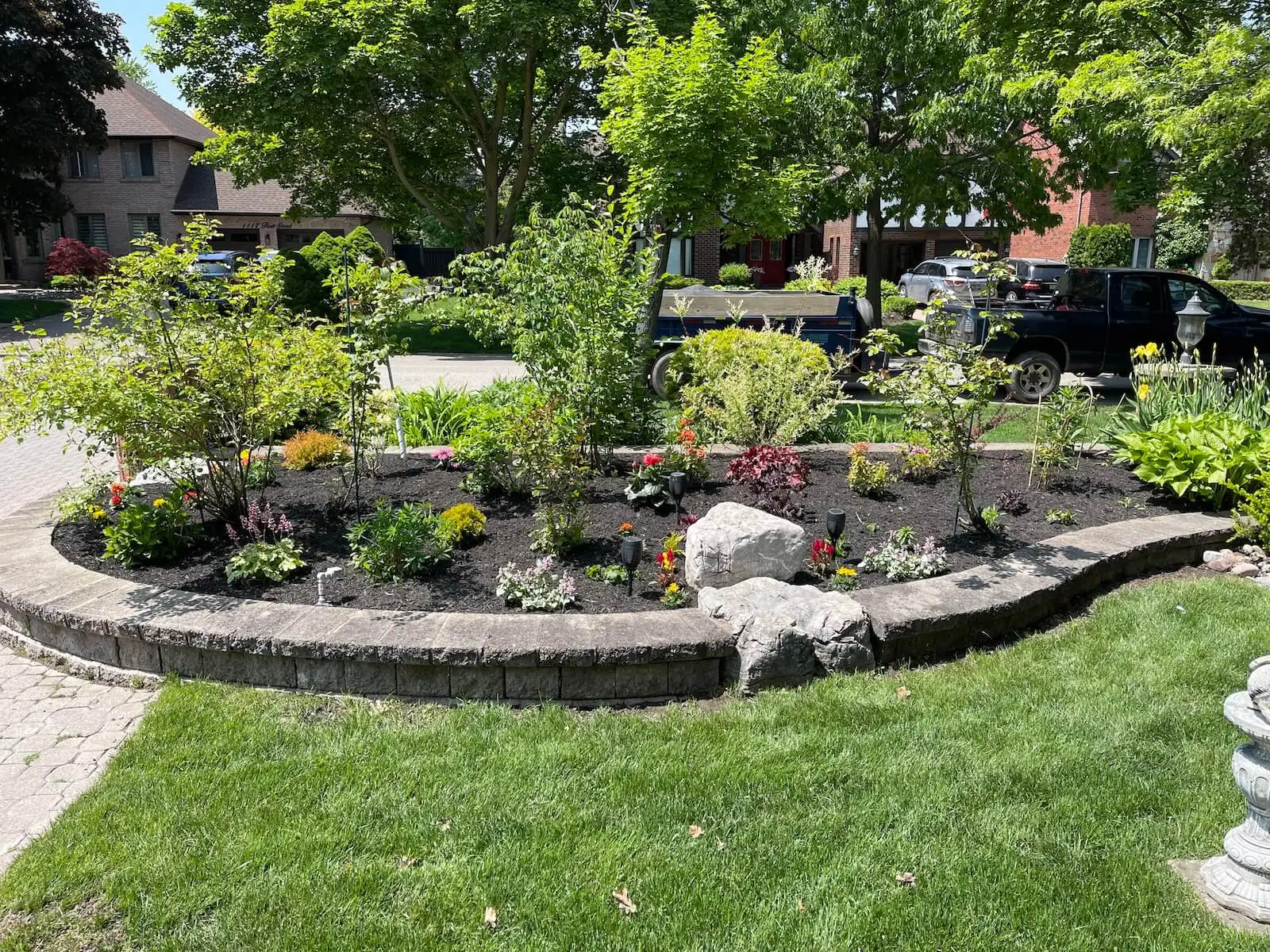
Retaining Walls and Borders: Edge your flower beds with structural blocks that perfectly match your flat paving.
The Danger of DIY Paver Installation
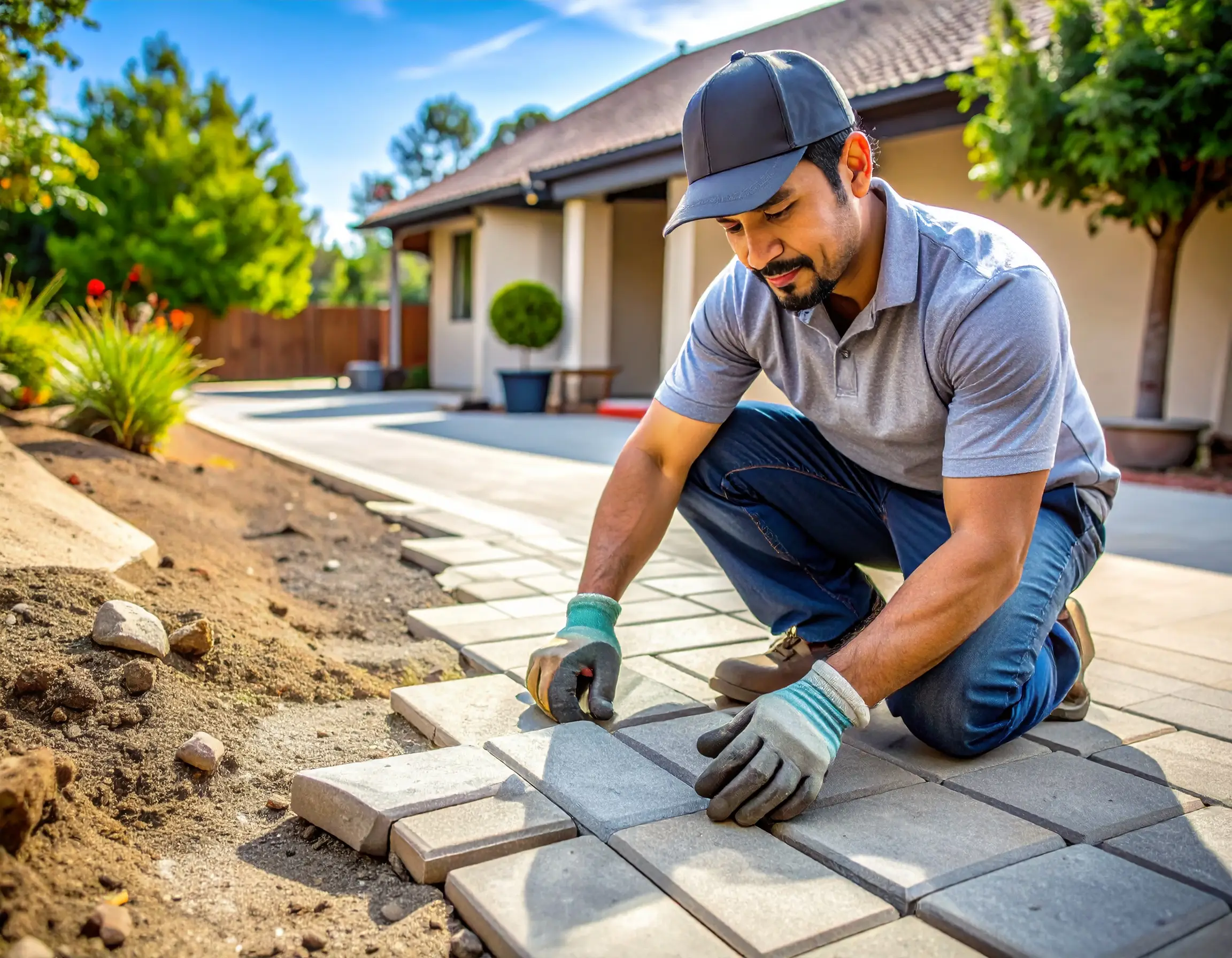
It is tempting to watch a weekend tutorial and try laying pavers yourself to save money. But poorly installed pavers will sink, shift, and collect massive puddles within a single season.
If the base excavation, gravel compaction, or grading (angling the ground for proper water runoff) are even slightly off, the entire system fails. Once the base is compromised, you have to rip up the stones and start over. Protect your investment by hiring a professional team that understands proper compaction, drainage, and climate-specific materials.
FAQs About Interlocking Patios & Driveways
1. How long do interlocking pavers last? When properly installed by professionals, an interlocking driveway or patio can easily last 20 to 30 years or more with minimal maintenance.
2. Do weeds grow between interlocking stones? Not if you use polymeric sand. This specialized sand hardens in the joints, creating a strong barrier against weeds and ants.
3. Can I install interlocking over an existing concrete patio? It is highly discouraged. If the concrete beneath cracks or shifts, the pavers on top will inevitably fail. It is always safer to remove the concrete and build a proper gravel base.
4. Do interlocking pavers need to be sealed? Sealing is optional. It can enhance the color and protect against oil stains (which is ideal for driveways), but the structural integrity and strength of the stone do not require a sealer.
5. What is the difference between interlocking pavers and stamped concrete? Stamped concrete is a solid, continuous slab that is dyed and textured to look like individual stones. However, it still cracks exactly like regular concrete. Interlocking uses actual individual stones, offering genuine flexibility and much easier repairs.
Stop Settling for Cracked Concrete. Do This Instead.
Every winter that passes puts more stress on a failing driveway or an uneven patio. Do not wait until the damage forces a costly emergency replacement or causes a tripping hazard.
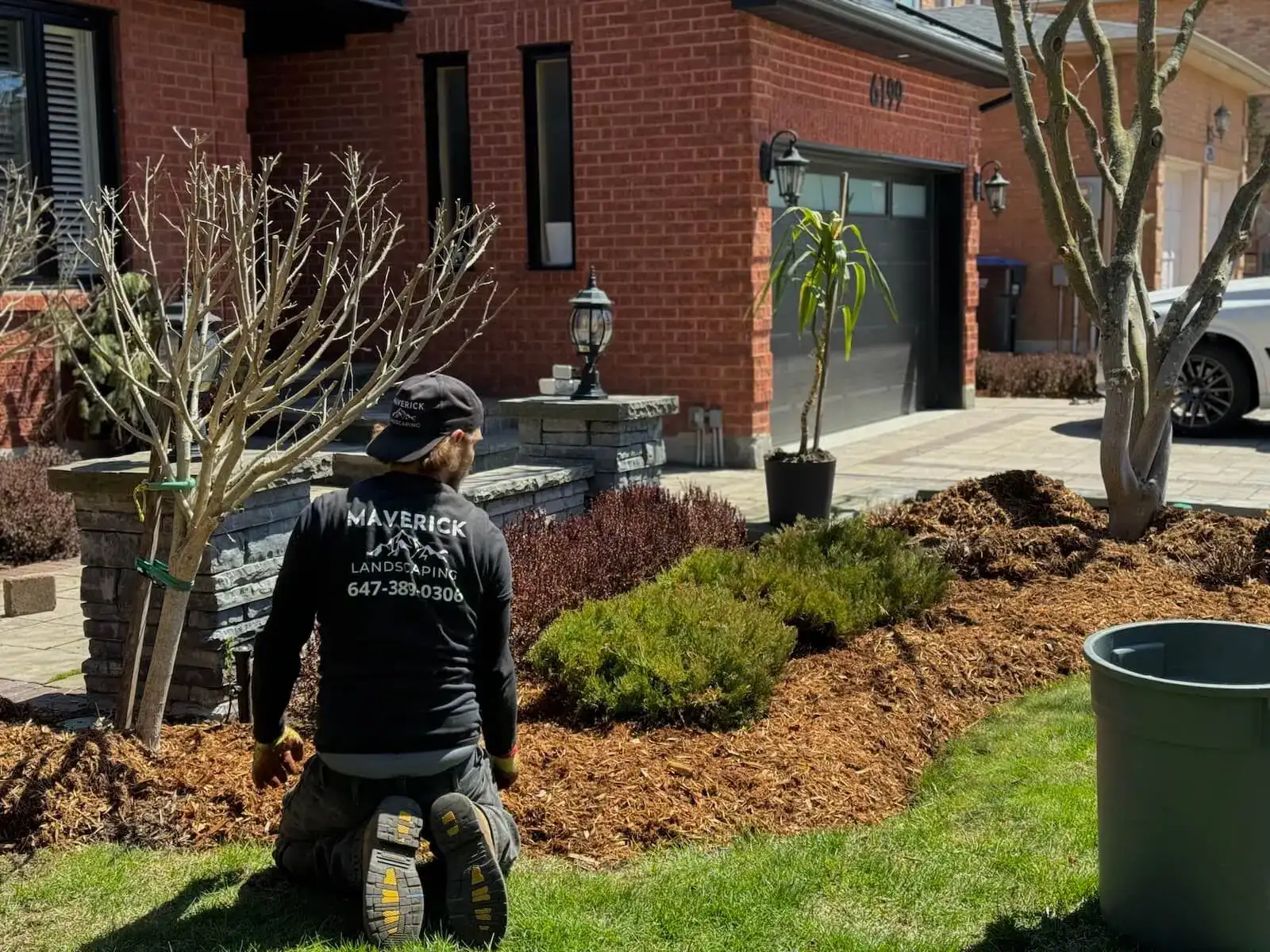
At Maverick Landscaping & Snow Removal in Mississauga, we design and install high-performance interlocking surfaces engineered specifically for the Canadian climate. We handle the heavy lifting—from expert site preparation to precise stone laying—so you never have to worry about sinking pavers or poor drainage.
Ready to secure your outdoor space? Contact Maverick Landscaping & Snow Removal today for a free consultation. Let’s build a beautiful, crack-proof landscape that lasts.