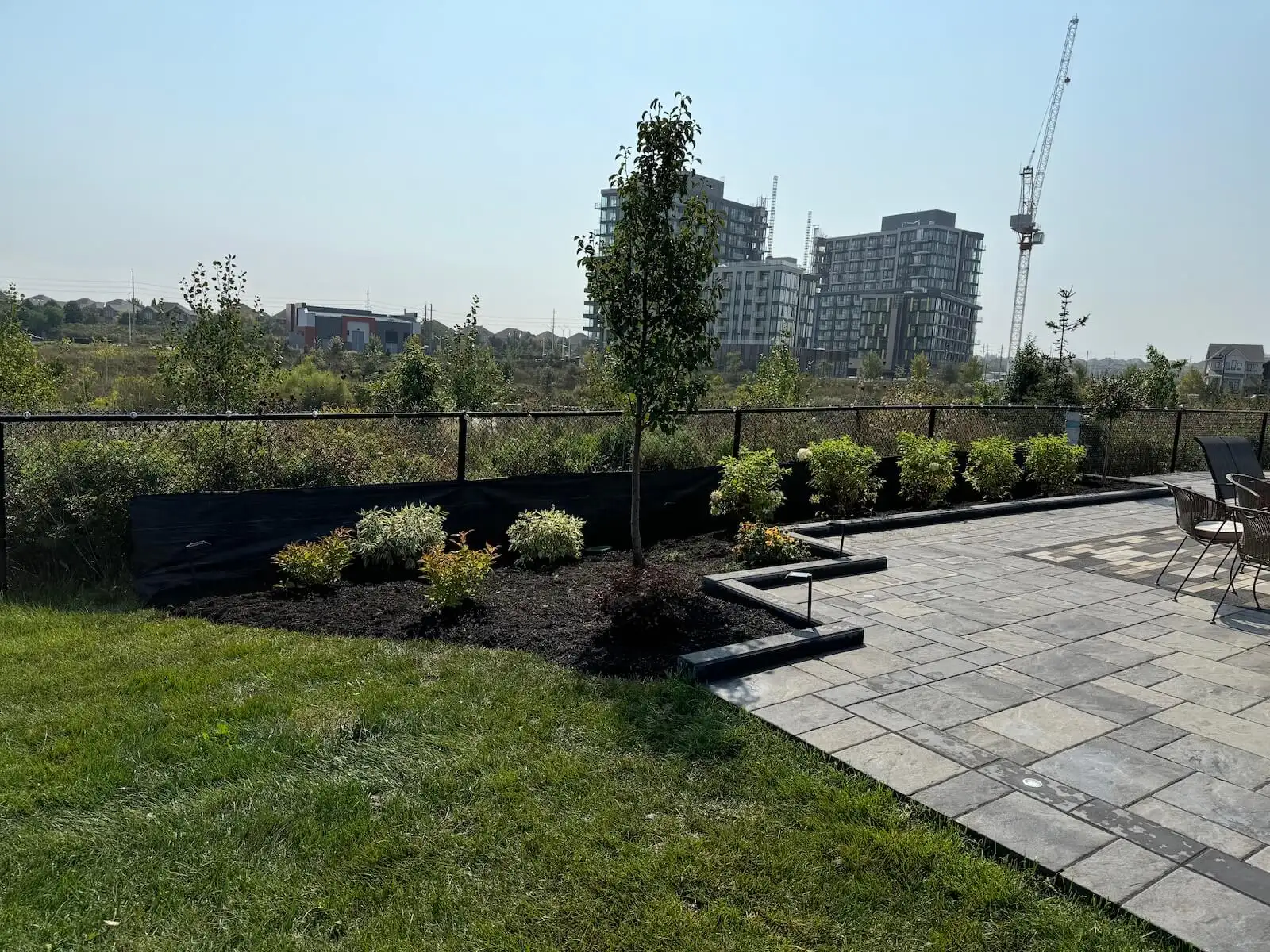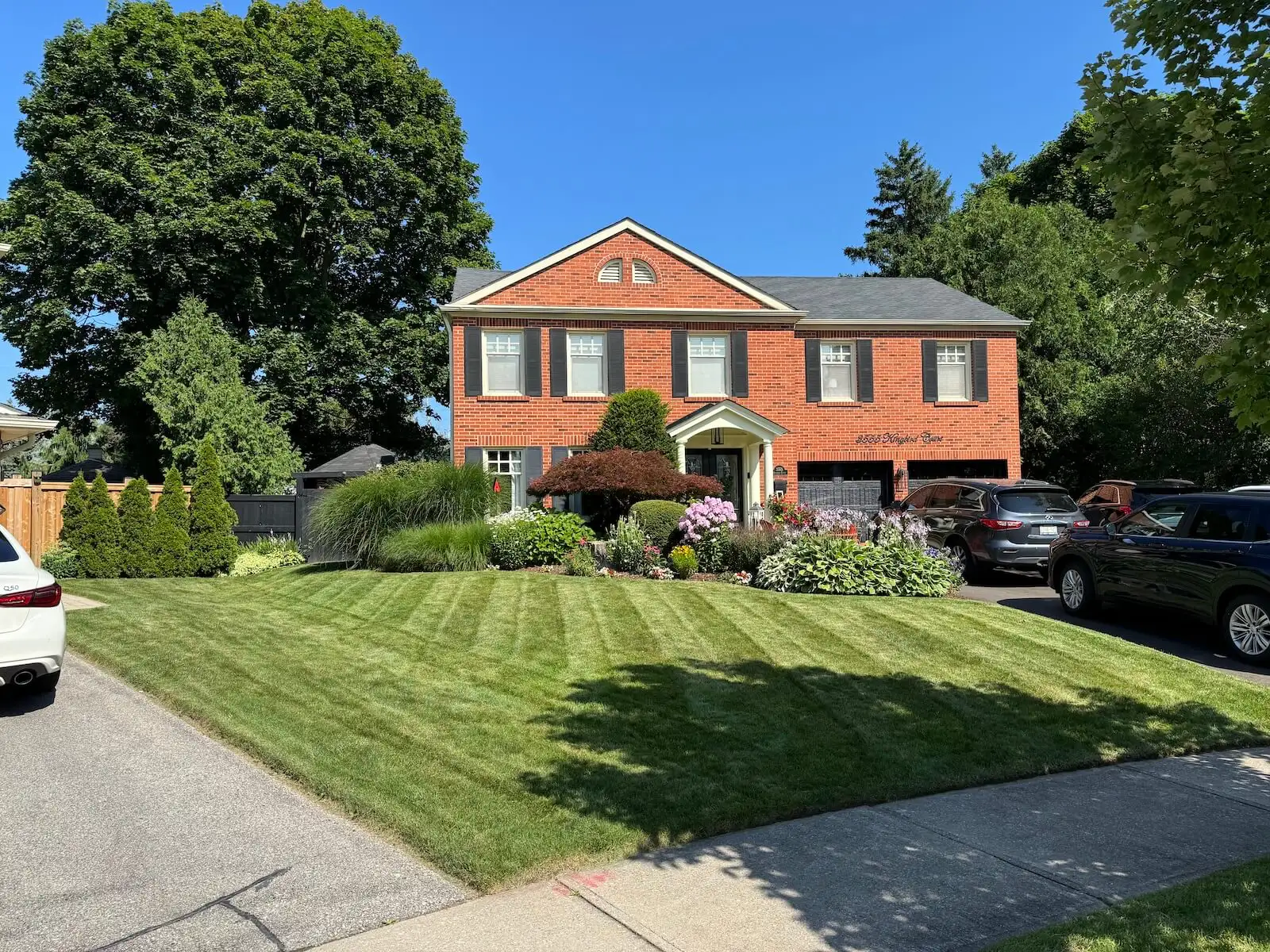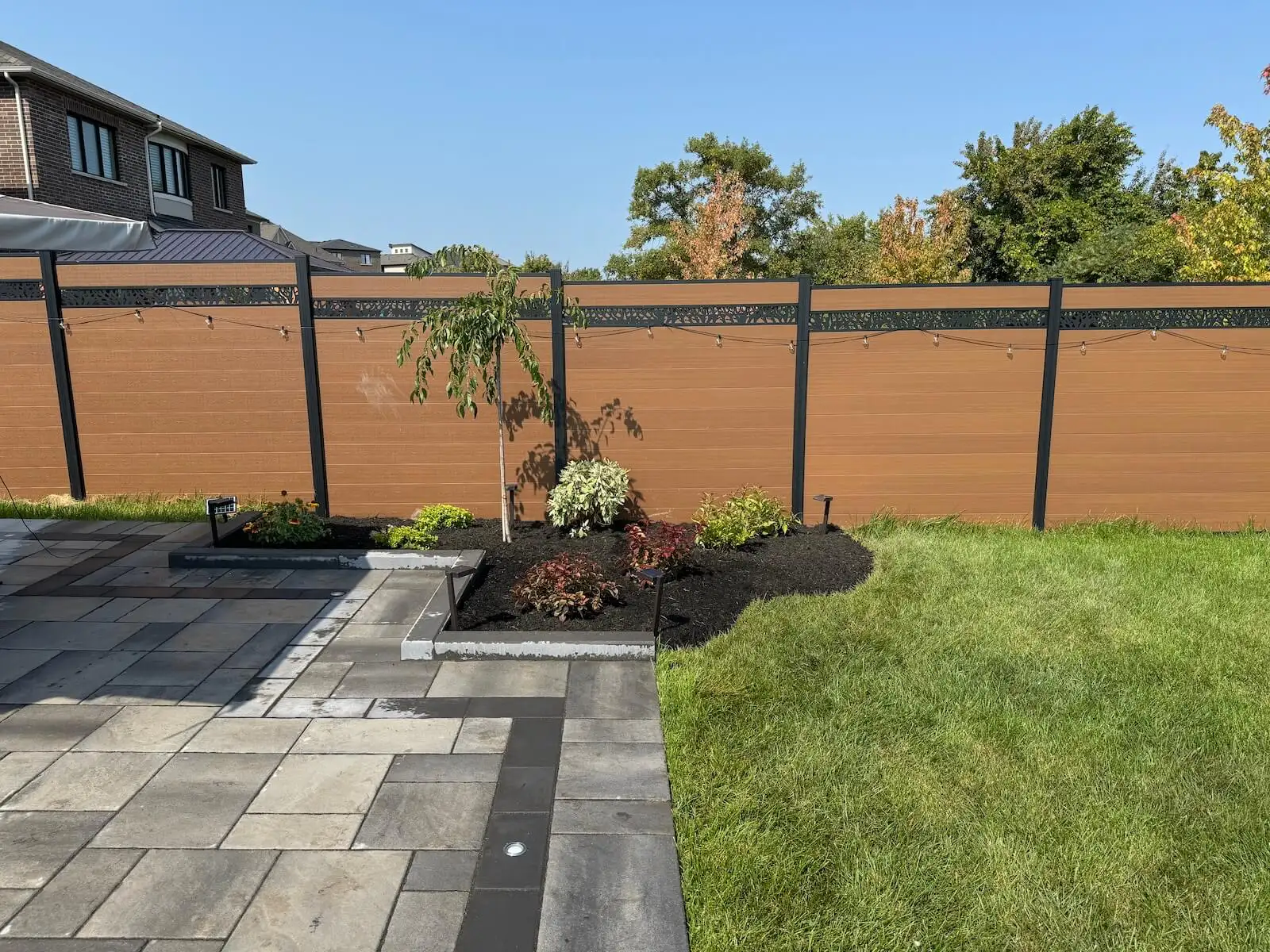









Aerating your lawn is a key maintenance step that improves air, water, and nutrient penetration. After aeration, many homeowners wonder what to do next to ensure effective recovery. This article outlines essential post-aeration care—recommended watering schedules, overseeding guidance, and fertilizer options—to encourage a lush, resilient lawn through the growing season. We also summarise additional care techniques to support recovery and long-term turf health.
Watering Schedule
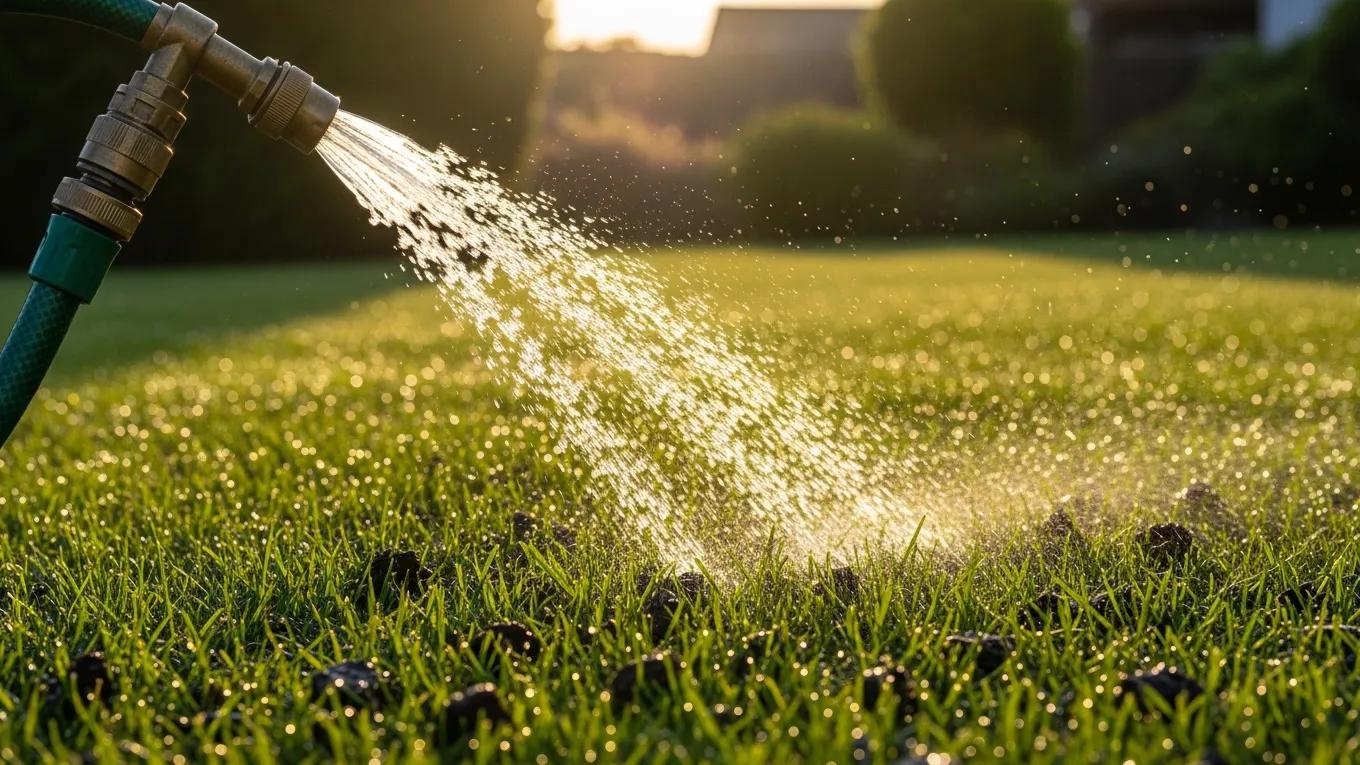
Establishing a proper watering routine after aeration is essential. Moist soil helps roots re-establish contact and supports new growth, amplifying the benefits of aeration in the weeks following treatment.
How Soon Should You Water Your Lawn After Aeration?
Water immediately after aeration so the holes fill and roots can access moisture. Keep soil consistently moist for the first two weeks, adjusting frequency for local weather while avoiding waterlogging.
Why Immediate and Proper Watering Is Crucial for Lawn Recovery
Immediate watering improves root-to-soil contact and accelerates recovery. Consistent moisture encourages root growth, while preventing overwatering reduces disease risk — balancing these factors is central to success.
What Is the Recommended Watering Schedule After Lawn Aeration?
For optimal recovery, follow this watering schedule:
- First two weeks: Water daily to keep the soil consistently moist.
- After two weeks: Transition to watering every other day.
- After six weeks: Establish a regular watering routine based on your lawn’s needs and local weather conditions.
Maverick Landscaping can assist with professional lawn care services and tailor a watering schedule to your specific conditions.
Overseeding Recommendations
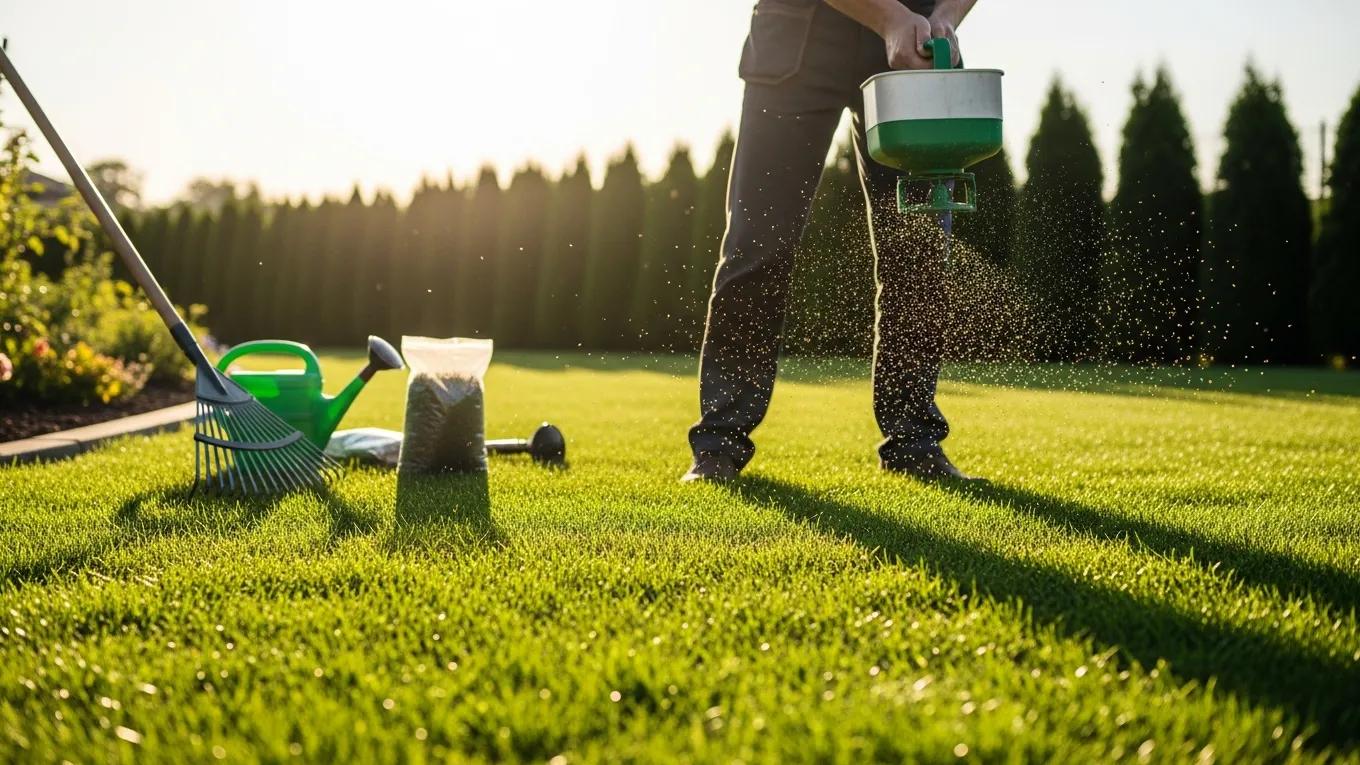
Overseeding after aeration strengthens turf density and fills bare patches. When done properly, overseeding improves surface quality and yields a more robust, resilient lawn.
Is Overseeding Necessary After Aerating Your Lawn?
Yes—overseeding fills bare areas, promotes uniform growth, and improves overall lawn health. New seed increases turf density and can boost resistance to pests and disease.
How Overseeding Enhances Lawn Density and Health Post-Aeration
Overseeding fills thinning spots, creating cohesive turf that better resists pests and environmental stress. It improves visual appeal and contributes to long-term resilience.
Which Grass Seed Types Are Best for Overseeding After Aeration?
Select seed based on climate compatibility, match to your existing grass type, and choose high-quality seed for reliable germination and growth.
- Climate compatibility: Choose seeds that thrive in your local climate.
- Existing grass type: Match the new seed with your current grass for better integration.
- Quality: Use high-quality seed to ensure successful germination and growth.
Maverick Landscaping offers overseeding services and consultations to help you select the best grass seed for your property.
Fertilizer Suggestions
Applying appropriate fertilizer after aeration supports recovery and healthy growth by supplying essential nutrients to new seedlings and established turf.
Choosing the Best Fertilizer for Optimal Growth After Aeration
Use a starter fertilizer immediately after aeration to feed new seedlings; consider slow-release formulations for sustained nutrient delivery.
When and How to Apply Fertilizer Following Lawn Aeration
Apply fertilizer about 4–6 weeks after aeration to support new growth, and water after application so nutrients penetrate the soil. Avoid high-nitrogen blends at first, which favour leaf growth over roots.
Maverick Landscaping provides professional fertilization services to ensure your lawn receives the right nutrients at the right time.
Additional Care
Beyond watering, overseeding, and fertilization, several maintenance practices support recovery and help preserve lawn health during the establishment period.
How Can You Repair and Maintain Your Lawn After Aeration?
To repair and maintain your lawn, consider these core techniques:
- Overseed immediately after aeration to fill bare spots.
- Use starter fertilizer to provide essential nutrients for new growth.
- Water regularly to support seedling establishment.
What Are Effective Lawn Repair Techniques Post-Aeration?
Effective repair techniques include:
- Hand-pulling weeds to prevent competition for nutrients and water.
- Using targeted herbicides after the lawn establishes to manage weeds.
- Monitoring for pests and diseases to address issues promptly.
How Does Lawn Top Dressing Support Recovery After Aeration?
Top dressing — a thin layer of compost or soil over the turf — improves soil structure and moisture retention, creating a nutrient-rich environment that supports seedling establishment and healthier growth.
Research on soil amendments underscores the importance of managing nutrient sources effectively to support lawn health.
Soil Amendment for Lawn Nutrient Management
Digestate is most commonly used as a soil amendment. Major obstacles to its agricultural use include nutrient surpluses, seasonal variability in crop requirements, rising transportation costs, and market acceptance concerns such as food-safety risk. These factors complicate sustainable management of digestate from municipal and food-waste streams under circular‑economy and “back to earth” approaches.
Sustainable management of digestate from the organic fraction of municipal solid waste and food waste under the concepts of back to earth alternatives and circular …, W Peng, 2019
Following these expert steps after aeration will help ensure a healthy recovery and a vibrant lawn that enhances your outdoor space. For professional assistance with aeration, overseeding, and fertilization, consider contacting Maverick Landscaping for tailored services that meet your needs.
For year-round lawn maintenance guidance, Maverick Landscaping’s services provide comprehensive solutions beyond aeration and fertilization.
Frequently Asked Questions
What is the best time of year to aerate my lawn?
The ideal timing depends on your grass type. Aerate cool‑season grasses in early spring or early fall for best recovery; aerate warm‑season grasses in late spring or early summer so the turf can recover during its active growth period.
How long does it take for a lawn to recover after aeration?
Recovery varies with grass type, weather, and care. Expect initial improvement in 2–4 weeks; full recovery and seedling establishment can take 6–8 weeks. Consistent watering, overseeding, and fertilization will speed the process.
Can I mow my lawn immediately after aeration?
Wait at least 2–3 weeks after aeration before mowing to allow roots to re-establish in the aeration holes. Mowing too soon can stress the turf; use sharp blades when mowing to avoid tearing and encourage healthy regrowth.
What should I do if I notice bare spots after aeration?
If you notice bare spots, overseed with high‑quality grass seed and keep the areas moist according to the recommended watering schedule. A light top dressing can improve soil quality and help seed germination for a more uniform lawn.
Is it necessary to aerate my lawn every year?
Frequency depends on lawn condition and soil type. Lawns with heavy foot traffic, compacted soil, or thatch buildup may benefit from annual aeration. Healthy, well‑maintained lawns often need aeration every 2–3 years; regular assessment will determine the best schedule.
How can I tell if my lawn needs aeration?
Signs include compacted soil, poor drainage, and thin turf. If water pools after rain, grass struggles to establish, or you have a thatch layer thicker than half an inch, aeration can help.