








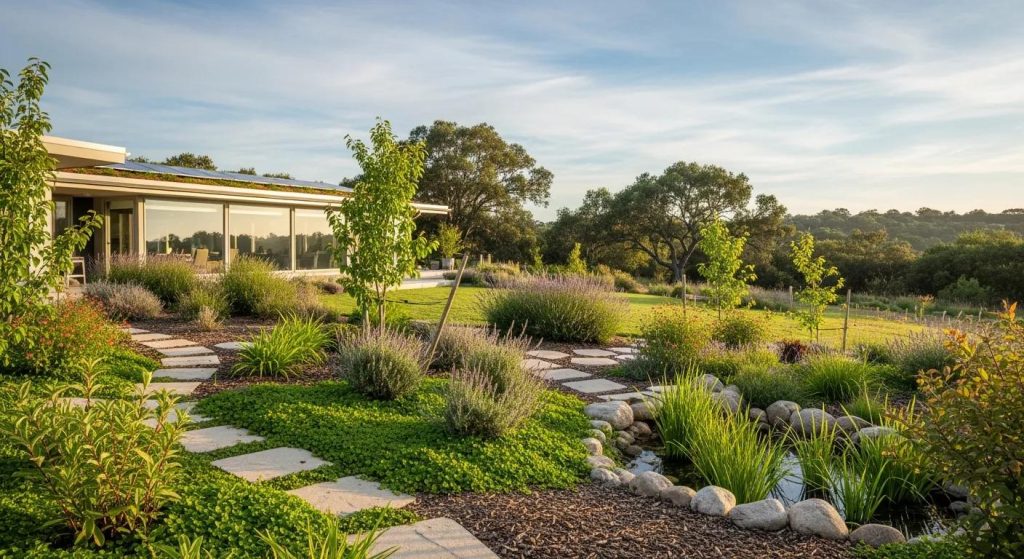
Eco-Friendly Landscaping for the Greater Toronto Area
Sustainable landscaping blends thoughtful design with environmental stewardship — a practical approach that matters especially in urban and suburban neighbourhoods across the Greater Toronto Area (GTA). Below we outline the tangible benefits of eco-friendly landscaping, from cutting water use and carbon emissions to boosting biodiversity and property value. Whether you manage a home or a commercial property, these designs help your outdoor spaces look great while working for the local ecosystem. Read on for practical design tips, an overview of services from Maverick Landscaping, and guidance on organic lawn care and energy-efficient outdoor lighting. We’ll also share research-backed examples that show these strategies in action.
Key benefits of sustainable landscaping in the GTA
Sustainable landscaping delivers more than curb appeal. When done right, eco-friendly practices lower water consumption and shrink a property’s carbon footprint — producing environmental gains and long-term cost savings.
How sustainable landscaping cuts water use and carbon emissions
Techniques like xeriscaping and planting native species are designed to reduce irrigation needs. These approaches also limit reliance on chemical fertilizers and pesticides that harm local habitats. For example, choosing drought-resistant plants can cut irrigation requirements by up to 50%. Simple measures — composting, using organic amendments and choosing low-carbon materials — further reduce emissions tied to traditional landscaping methods.
Environmental and financial benefits of eco-friendly gardens
Eco-friendly gardens support local wildlife by creating food, shelter and pollinator habitat, which strengthens urban biodiversity. Homeowners also see lower ongoing costs from reduced water and maintenance needs. Studies indicate that properties with sustainable landscaping may increase in value by as much as 15%, making green design an investment that pays off over time.
Designing an eco-friendly garden for Toronto homeowners
Good eco-design starts with local conditions. By choosing plants suited to the GTA climate and applying water-wise techniques, you can create a landscape that’s both beautiful and resilient.
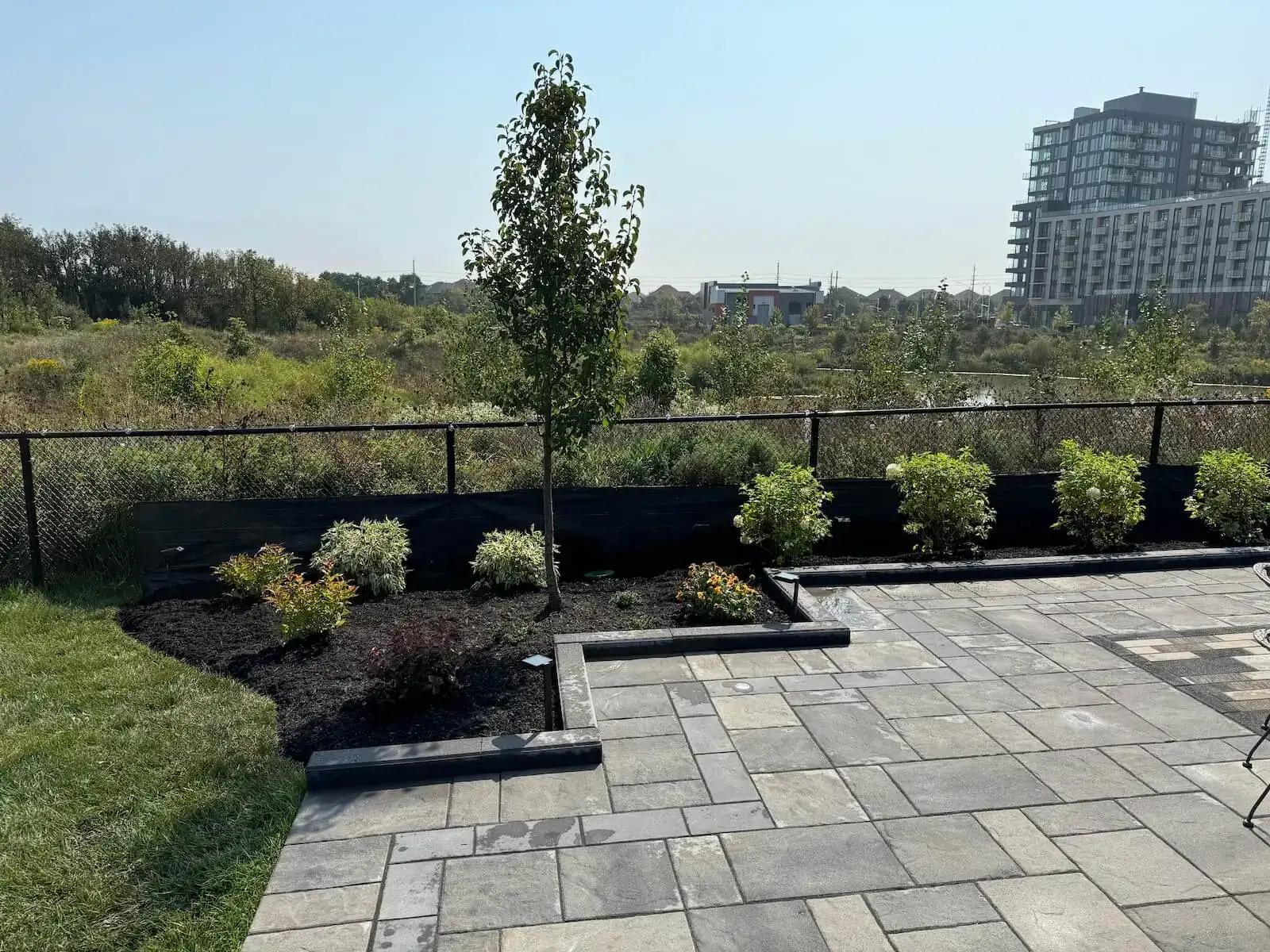
Native plants well suited for sustainable landscaping in the GTA
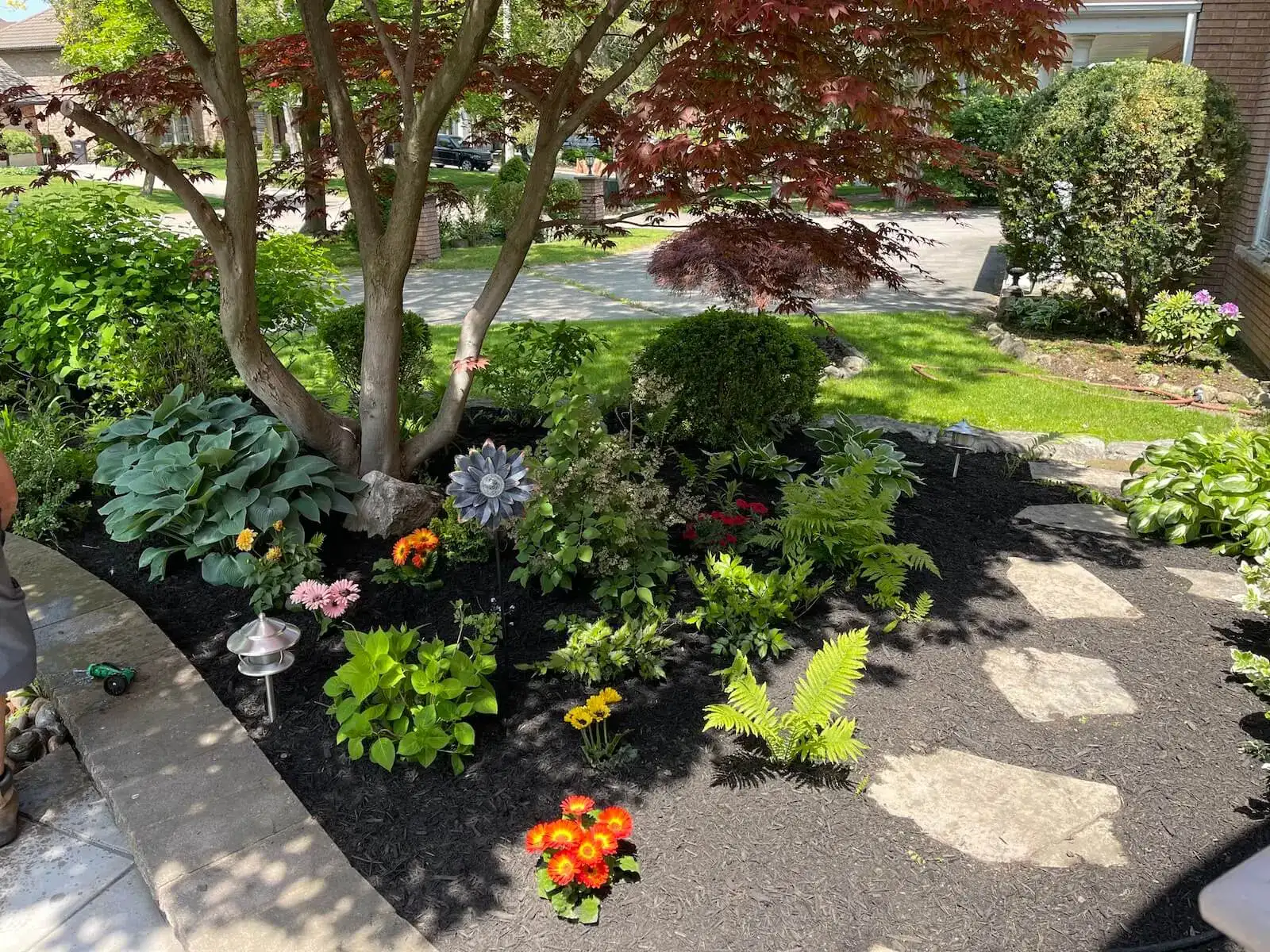
Native species are adapted to local soils and weather, so they’re easier to maintain and more resistant to pests. Consider these reliable choices for the GTA:
- Black-eyed Susan: A hardy perennial that draws pollinators and needs little water once established.
- Eastern White Cedar (Eastern Arborvitae): A versatile evergreen that offers year-round structure and wildlife cover.
- Wild Bergamot: A fragrant native that attracts bees and thrives in a range of soils.
Water-saving strategies: rainwater harvesting, permeable paving and more
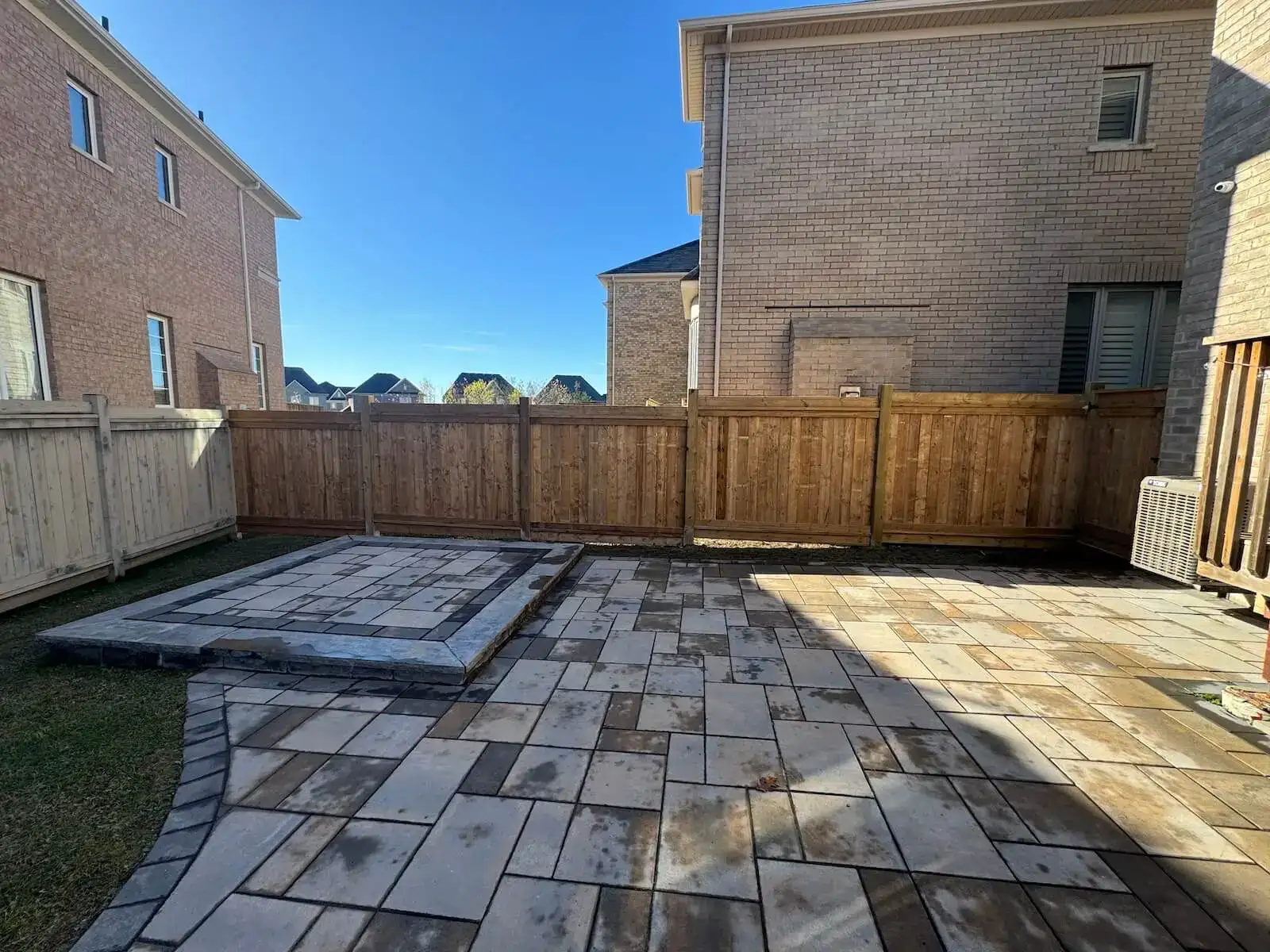
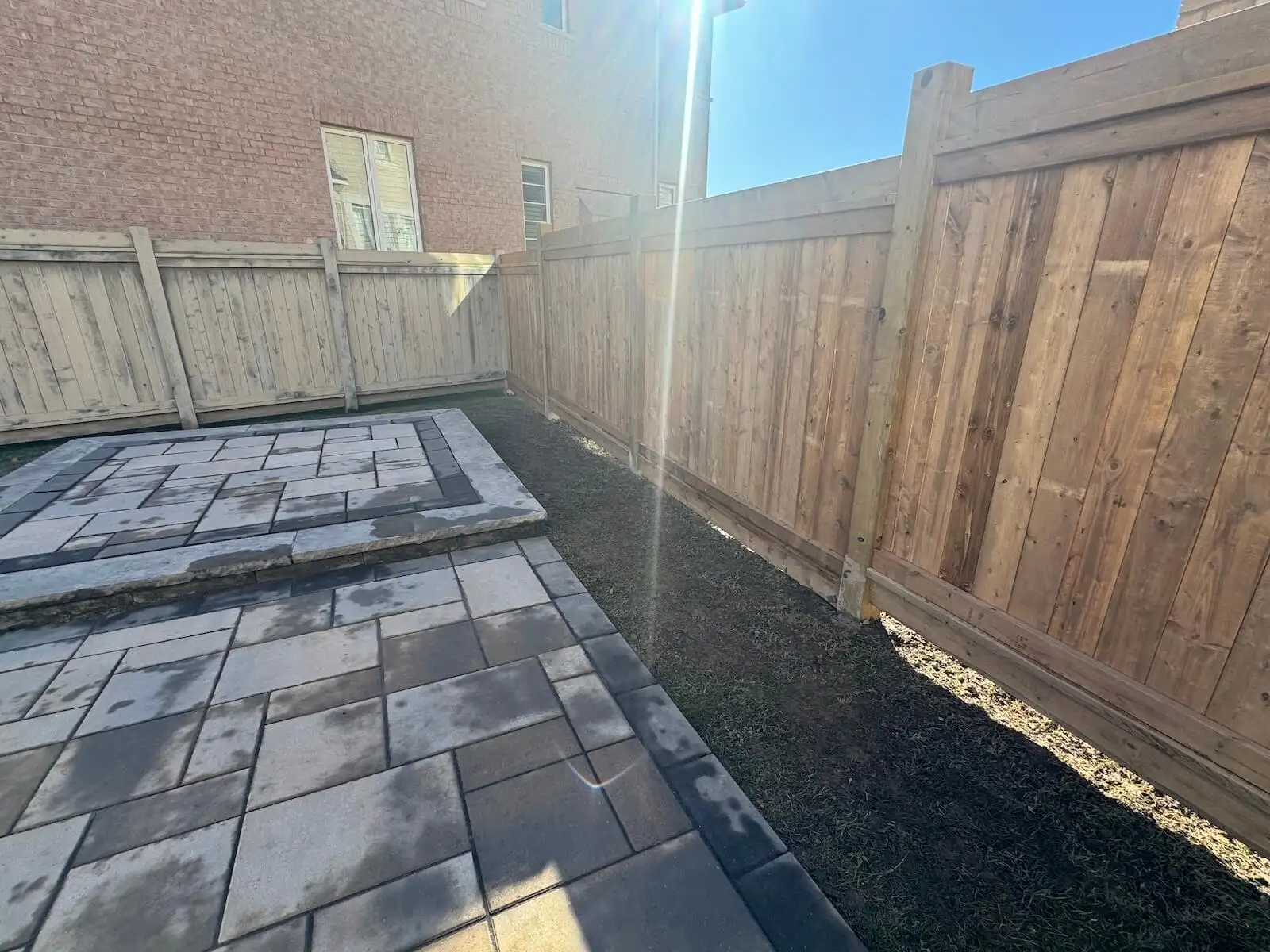
Practical water-conservation measures make a big difference. Rainwater harvesting systems collect roof runoff for irrigation, easing pressure on municipal supplies. Permeable paving lets stormwater soak into the ground instead of running off, which reduces flooding and helps recharge groundwater. Together, these tactics improve stormwater management and cut outdoor water demand.
Research shows permeable paving delivers multiple benefits in urban stormwater management and can also influence local thermal behaviour.
Pervious pavements: urban rainwater management
Pervious pavements provide a practical way to manage rainwater in cities — they combine stormwater control with on-site water storage when sub-bases retain rain. Studies also show these surfaces can help ease the urban heat island effect during hot months and alter freeze–thaw timing in winter.
Temperature performance of different pervious pavements: rainwater harvesting for energy recovery purposes, D Castro-Fresno, 2013
Sustainable landscaping services we offer in the GTA
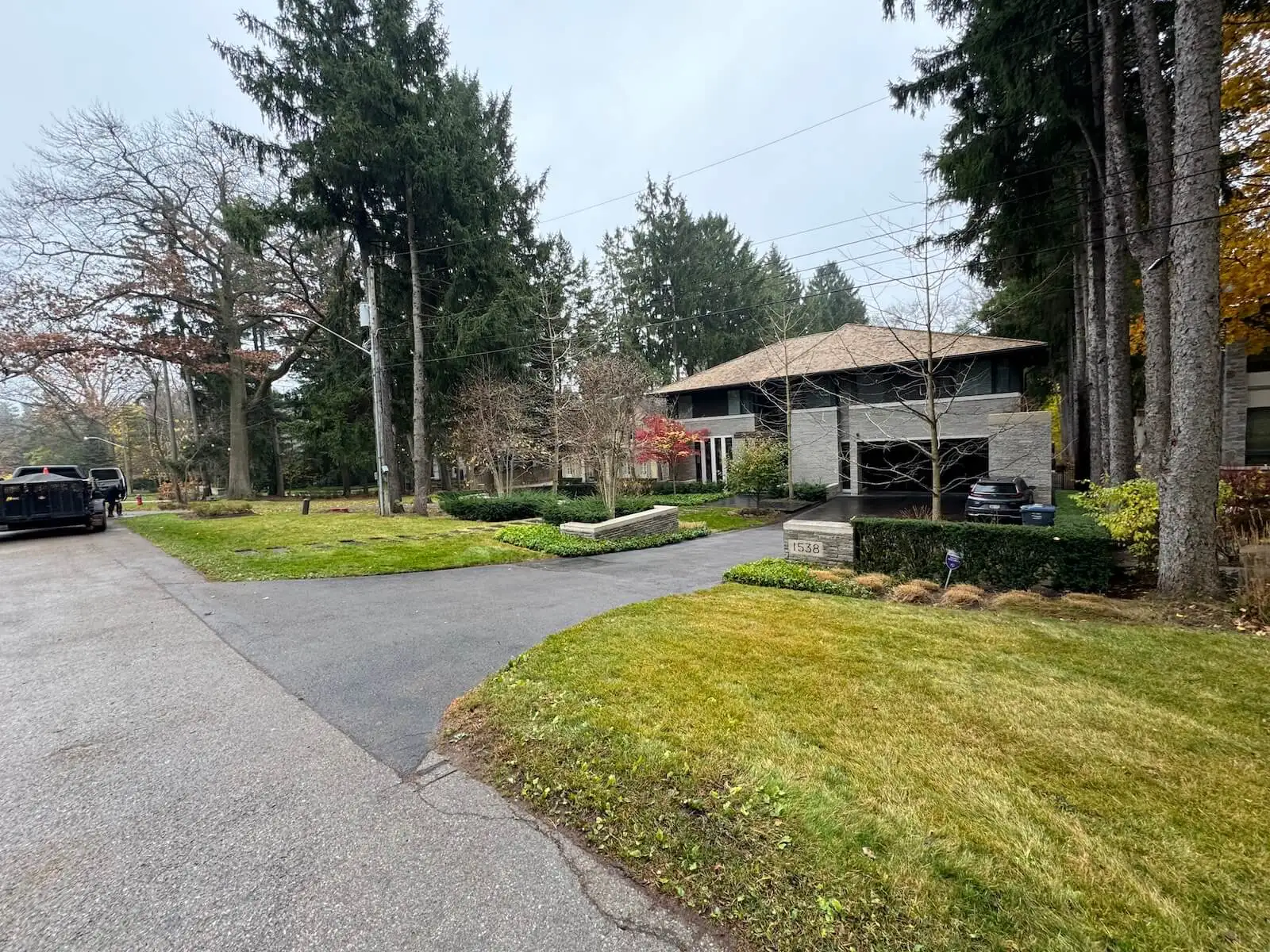
Maverick Landscaping delivers a full suite of sustainable services for homeowners and property managers across the GTA: thoughtful eco-friendly garden design, careful installation, and ongoing maintenance that supports long-term health and resilience.
How we use sustainable materials and practices
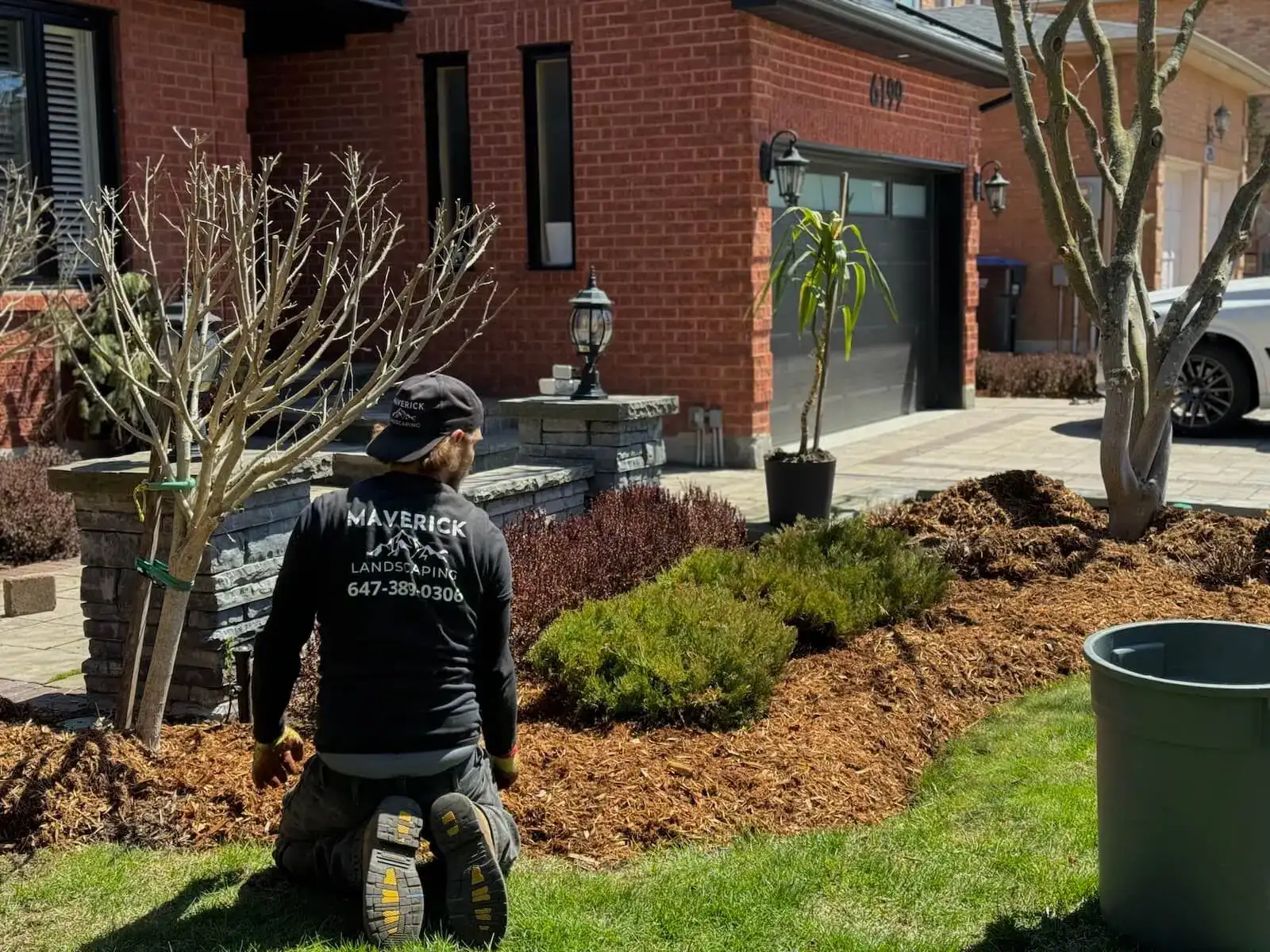
We prioritize low-impact materials like recycled mulch, organic fertilizers and native plants. Every project balances appearance with ecological benefit so your landscape looks great and supports local biodiversity.
Installation and maintenance: how green garden projects come together
Our green garden builds follow proven steps to ensure success:
- Site Assessment: A thorough evaluation to inform plant selection, drainage solutions and design priorities.
- Soil Preparation: Improving soil with organic matter and amendments to support healthy root growth.
- Planting: Installing native and drought-tolerant species according to the plan for year-round performance.
- Maintenance: Ongoing care — watering, weeding, mulching and seasonal check-ins — to keep the garden thriving.
Following a structured process like this preserves the garden’s ecological benefits and keeps maintenance predictable over time.
Organic lawn care and soil health: why they matter
Organic lawn care focuses on building soil life and biodiversity rather than relying on synthetic chemicals. Healthier soil means stronger plants, fewer pests and a more balanced yard ecosystem.
Benefits for biodiversity and soil quality
Practices such as adding compost and using natural fertilizers improve soil structure and nutrient cycling. Healthier turf and plantings support more insects, birds and beneficial organisms — research shows organic lawns can host roughly 30% more biodiversity than chemically treated ones.
Additional studies back up the environmental and water-conservation advantages of natural lawn care programs.
Environmental and water benefits of natural lawn care
A life-cycle assessment of natural lawn and garden care quantifies public health, ecological and water-conservation benefits, showing measurable gains where organic practices replace conventional chemical approaches. This methodology was developed as part of Seattle Public Utilities’ program evaluation.
Measuring environmental value for natural lawn and garden care practices, J Morris, 2008
Maintaining healthy soil with simple sustainable practices
Keep soil productive and resilient with these steps:
- Regular Composting: Add finished compost to beds and lawn areas to boost organic matter and microbial life.
- Crop Rotation: Change annual planting locations to reduce pest pressure and avoid nutrient depletion in garden beds.
- Mulching: Apply organic mulch to conserve moisture, suppress weeds and feed soil as it breaks down.
These techniques strengthen soil health and support a more sustainable landscape overall.
Energy-efficient outdoor lighting for Toronto landscapes
Smart outdoor lighting improves safety and highlights landscape features while keeping energy use low. There are several clean, effective lighting choices that fit sustainable designs.
How energy-efficient lighting lowers environmental impact
LED fixtures use up to 75% less energy than traditional incandescent bulbs and last far longer, cutting both electricity costs and waste. Solar-powered lights add renewable energy to the mix, further reducing dependence on grid electricity and fossil fuels.
Recommended products for eco-friendly outdoor lighting
Consider these eco-conscious lighting options:
- LED Path Lights: Bright, efficient fixtures that use minimal power and require infrequent replacement.
- Solar Garden Lights: Daytime charging and night-time illumination with no direct electricity draw.
- Motion Sensor Lights: Lights that only run when needed, limiting energy use and light pollution.
Choosing the right products helps you balance ambience, safety and sustainability in your outdoor spaces.
Case studies and testimonials from the GTA
Real projects show how sustainable landscaping performs over time. Case studies and client feedback provide clear evidence of environmental and financial gains.
Measured environmental gains clients report
Clients often see noticeable reductions in water use, lower maintenance bills and improved property appeal. For example, one property reported a 40% drop in water consumption after switching to a native-plant garden — a strong example of practical savings and environmental benefit.
Client stories: real examples of value
Homeowners and property managers regularly tell us their landscapes feel healthier, attract more wildlife and require less upkeep after adopting sustainable practices. These testimonials demonstrate both the aesthetic and ecological value of eco-friendly landscaping, and they encourage others to make similar changes.
For year-round property care, Maverick Landscaping also provides commercial snow removal in Mississauga to keep sites safe and accessible through the winter.
Frequently Asked Questions
How does sustainable landscaping help manage urban heat?
Sustainable landscaping reduces urban heat by adding shade, increasing vegetation cover and using surfaces that reflect or absorb less heat. Trees and shrubs lower surface and air temperatures, green roofs help cool buildings, and permeable materials reduce heat-retaining hardscape — all contributing to more comfortable neighbourhoods and lower energy use for cooling.
How do I convert my traditional garden into a sustainable one?
Start with a site assessment to identify high-impact changes. Replace thirsty, non-native plants with native and drought-tolerant species, add mulch and compost, and install simple water-saving systems like rain barrels or drip irrigation. Gradually reduce chemical inputs and introduce organic alternatives. Small, steady changes are often the most manageable and cost-effective.
What should I expect to pay for sustainable landscaping services?
Costs vary with project size, materials and scope. Upfront investment can be higher than conventional approaches, especially if installing systems like rainwater harvesting or permeable paving. However, lower ongoing water and maintenance costs, plus potential property-value gains, often offset initial expenses. We recommend getting multiple quotes to compare options and long-term savings.
How does sustainable landscaping support local wildlife?
By planting native species and adding features like birdhouses, pollinator-friendly plants and water sources, you create habitat and food for local species. This increases biodiversity and helps restore ecological balance, making gardens more vibrant and resilient.
What maintenance will a sustainable garden require?
Sustainable gardens need regular attention, but not constant effort. Watering (ideally via efficient systems like drip irrigation) during dry periods, manual weeding or organic controls, seasonal mulching and periodic soil checks keep plants healthy. Over time, well-designed native gardens typically require less maintenance than conventional lawns.
Can sustainable landscaping raise my property’s value?
Yes. Sustainable landscaping can boost curb appeal and reduce operating costs, both attractive features for buyers. Studies suggest eco-friendly landscaping can increase property value — in some cases by up to 15% — because buyers increasingly value energy efficiency, lower maintenance and environmental responsibility.
What are best practices for energy-efficient outdoor lighting?
Use LED fixtures for long life and low energy use, add solar fixtures where they make sense, and install motion sensors or timers to limit run time. Place lights thoughtfully to highlight key features without creating unnecessary glare or light pollution. This combination improves safety and looks while keeping energy use minimal.