








Maintaining a successful perennial garden combines horticultural knowledge, patience and proven techniques. This guide gives clear recommendations for soil preparation, watering, pruning and seasonal maintenance to help your garden produce healthy, vibrant blooms year after year. By learning each perennial’s requirements you can establish care routines that support long-term vigour. This article offers practical expert advice for common upkeep challenges.
What Are the Best Soil Preparation Practices for Perennial Gardens?
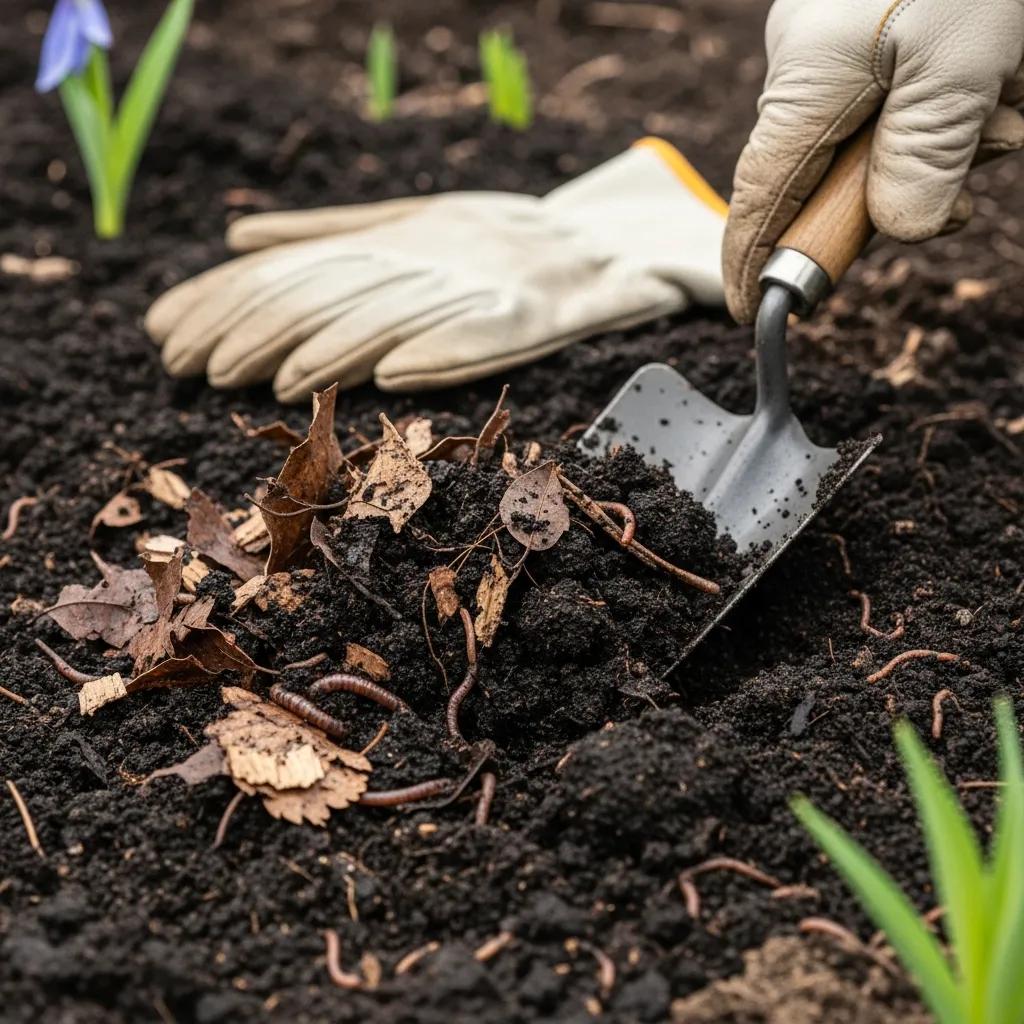
Soil preparation is the starting point for perennial success: select appropriate soil, add organic matter, and ensure correct pH and drainage. Well-prepared soil supplies nutrients and a stable root environment to support plant longevity and reliable flowering.
Authoritative resources consistently identify initial soil preparation as a decisive factor in achieving long-term garden health and abundant blooms.
Perennial Garden Soil Preparation & Pruning for Extended Blooms
Guidance for a perennial border or bed, covering the process from initial soil preparation through planting, and including specific pruning techniques to extend bloom duration.
The well-tended perennial garden: planting & pruning techniques, 2006
How to Choose and Amend Soil for Optimal Perennial Growth
Choose soil to match the perennials you will grow. Most prefer well-draining, organic-rich soil. Amend with compost or well‑rotted manure to improve structure and nutrients. Test pH—most perennials favour pH 6.0–7.0—and apply lime or sulfur only when adjustments are needed.
Why Is Soil pH and Drainage Crucial for Perennial Health?
Soil pH and drainage govern nutrient availability and root health. Balanced pH aids nutrient uptake, while adequate drainage prevents waterlogging and root rot. Test regularly and make targeted amendments to avoid poor establishment or stunted growth.
How Should You Water Perennial Flower Beds for Lasting Blooms?
Water management directly affects perennial vigour and flowering. Establish a routine based on species, soil type, local weather and plant maturity to support strong roots and steady blooms.
What Are Effective Watering Techniques and Frequency for Perennials?
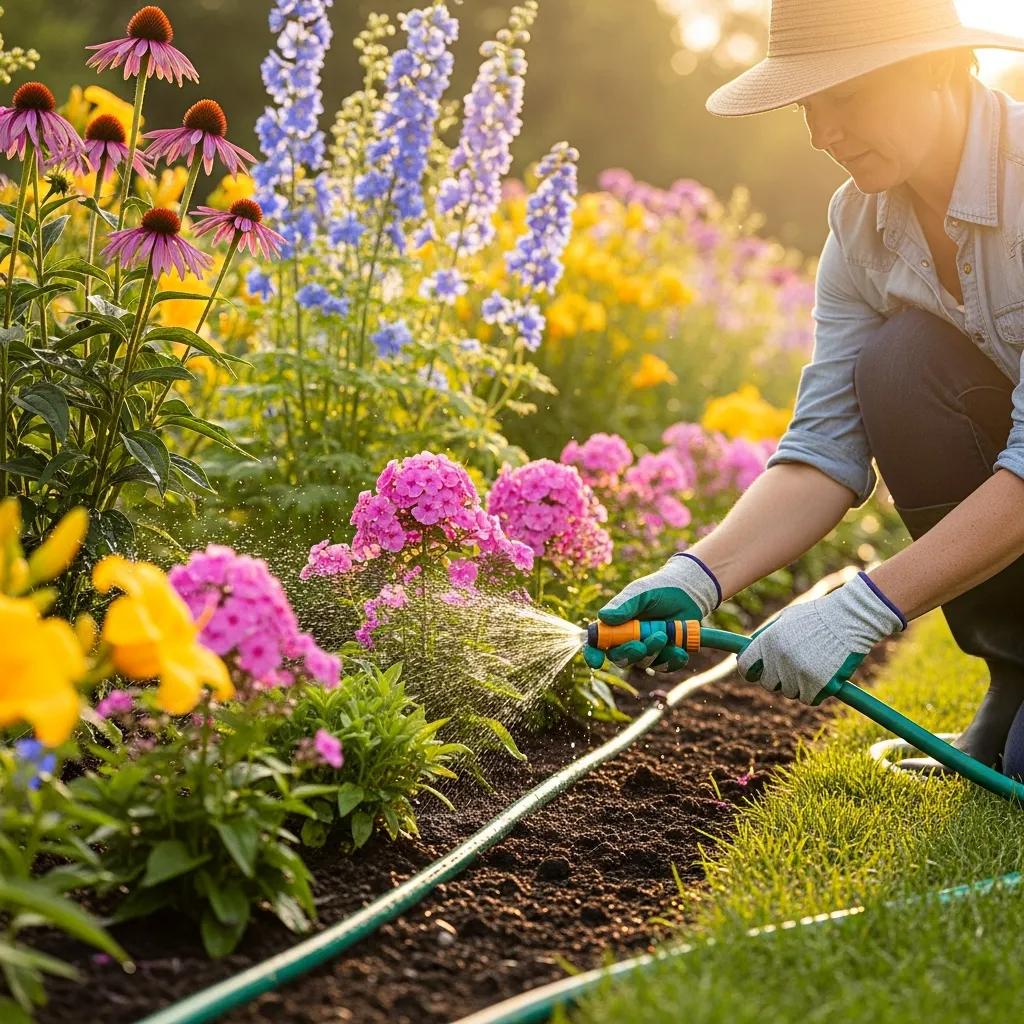
Favor deep, infrequent watering to encourage deep roots. Use soaker hoses or drip irrigation to wet the root zone. Aim for about 1 inch of water per week from rainfall or irrigation, increasing during heat or drought to prevent stress.
How Does Mulching Enhance Water Retention and Plant Health?
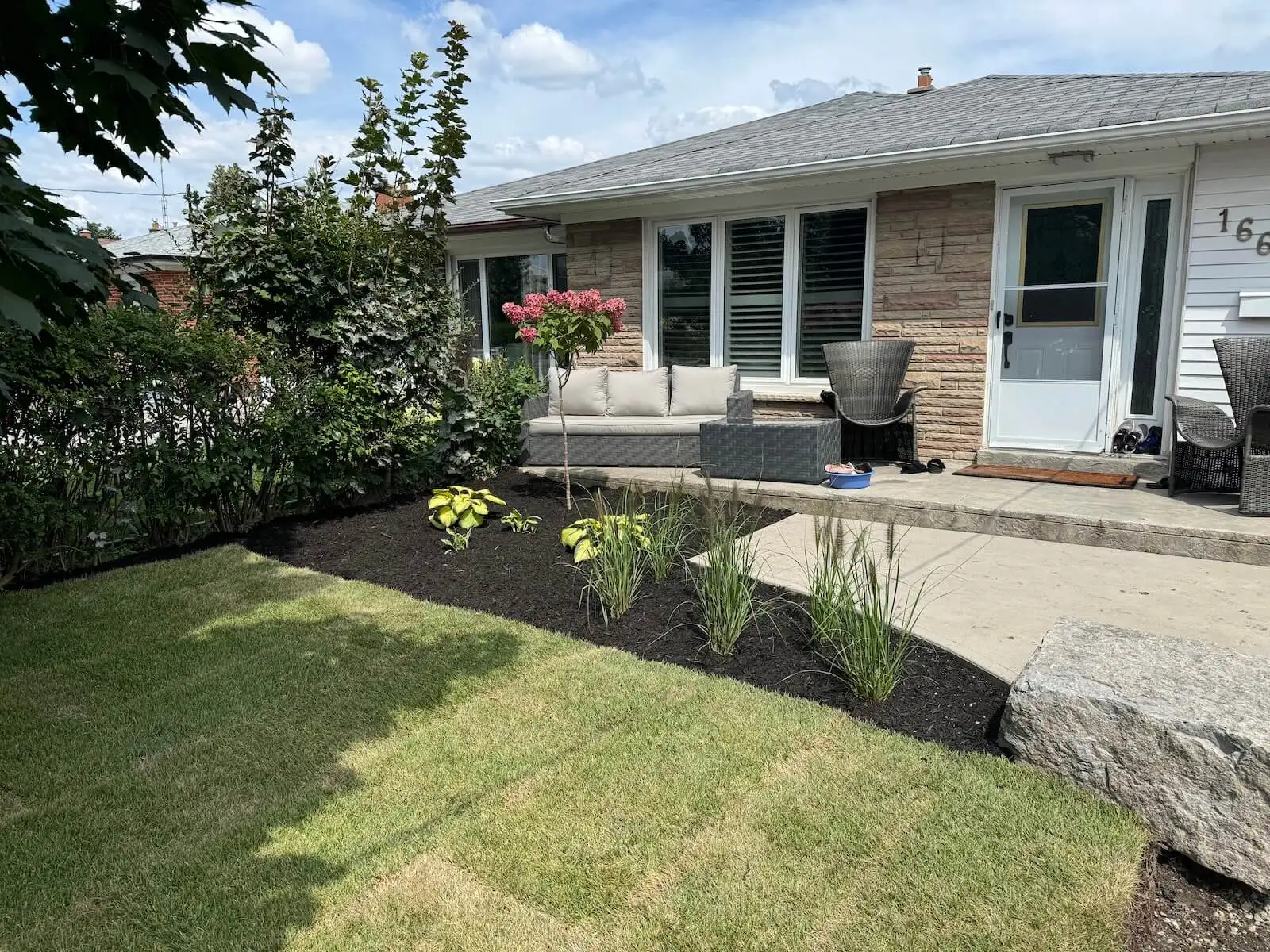
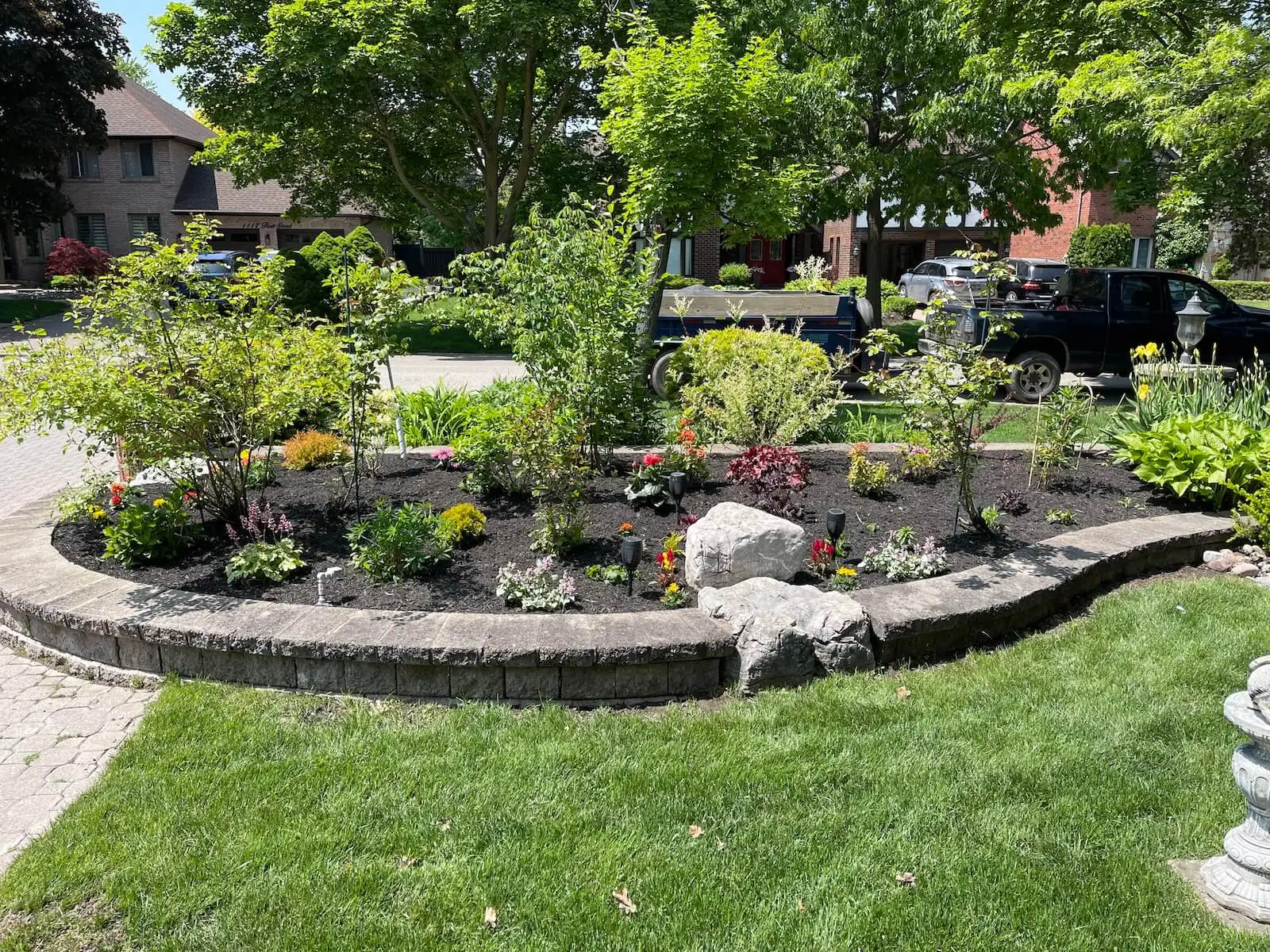
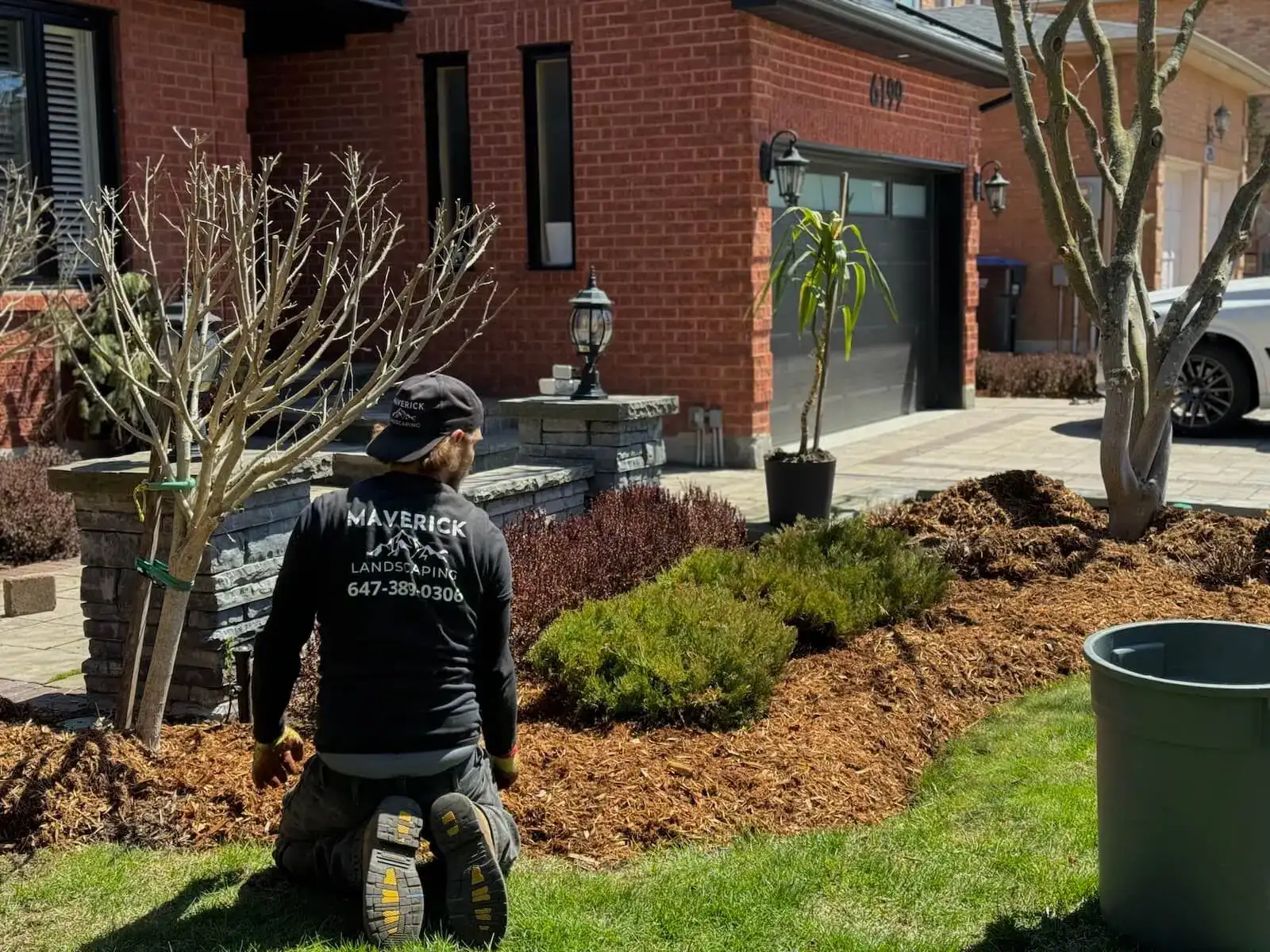
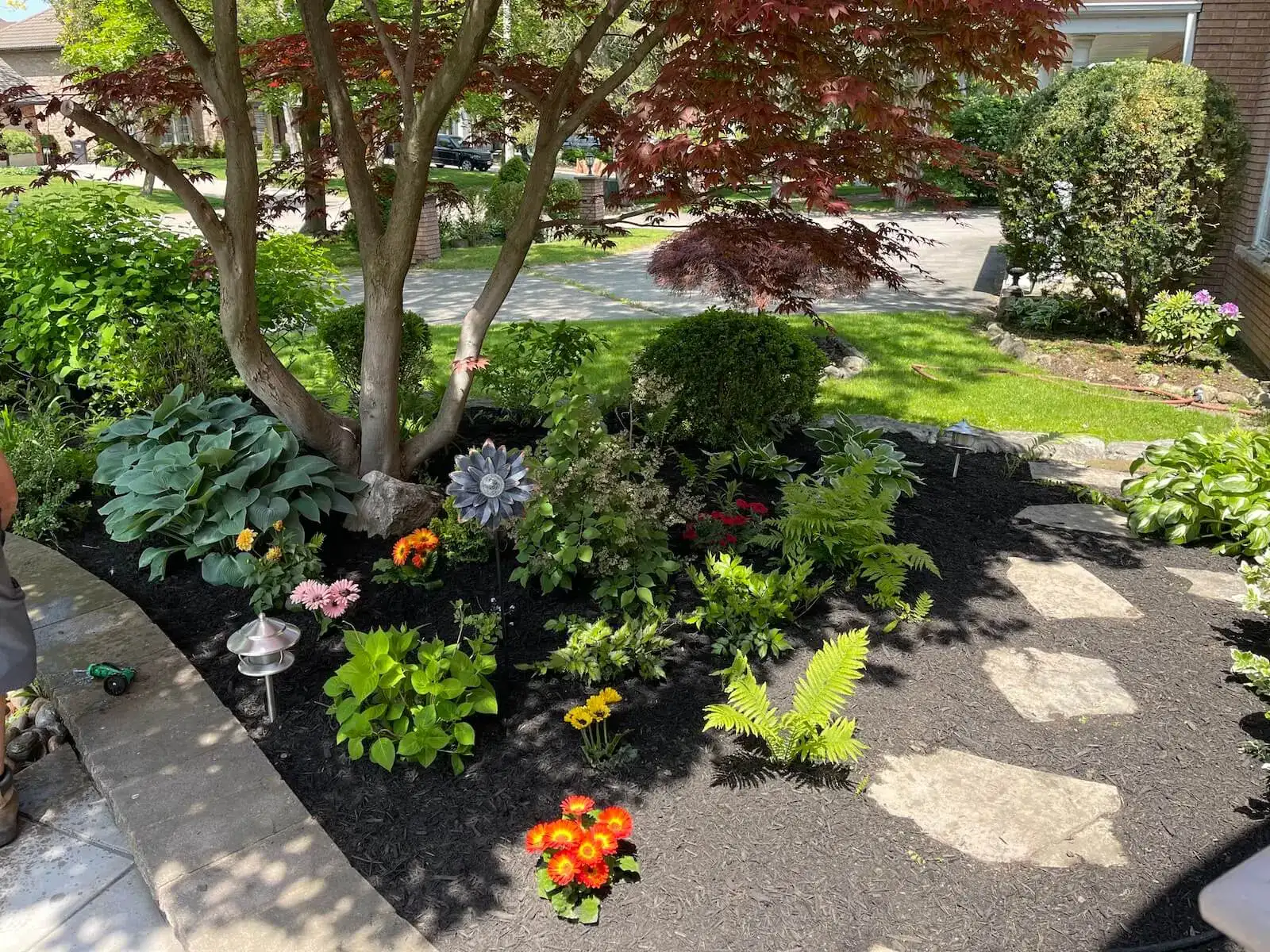
Organic mulch—wood chips or straw—improves moisture retention, suppresses weeds, moderates soil temperature and reduces watering needs. As it decomposes, mulch adds organic matter and nutrients, improving soil structure.
Research supports the effectiveness of organic mulches in improving soil moisture management and promoting plant vitality.
Optimal Organic Mulch for Perennial Garden Water Conservation
The use of organic mulch is important for urban green applications. Compared to bare soil, mulch applications of 0.25 kg/m2 and 0.50 kg/m2 increased soil water content, with the largest runoff reduction at 0.50 kg/m2. Overall, an effective mulch application was found to be 0.25–0.50 kg/m2.
Efficient organic mulch thickness for soil and water conservation in urban areas, R Berndtsson, 2021
When and How Do You Prune Perennial Plants for Maximum Bloom Quality?
Pruning maintains perennial health and appearance. Correct timing and technique improve bloom quality, encourage fuller growth and reduce disease.
What Are the Best Pruning and Deadheading Techniques for Different Perennials?
Perennials have varied pruning needs. Deadheading spent blooms often encourages repeat flowering. Cutting back in early spring can stimulate fresh growth. Learn each species’ requirements to prune appropriately.
Effective pruning also addresses issues such as legginess and poor flowering, as noted in expert horticultural references.
Pruning Techniques for Leggy Perennials and Bloom Support
If a plant unsuitable for a shady site is selected, it can become leggy, fail to flower and require pruning or staking for height control or support.
The Well-tended Perennial Garden: The Essential Guide to Planting and Pruning Techniques, 2017
How Does Seasonal Pruning Impact Perennial Growth Cycles?
Pruning timing affects growth cycles. Prune at species-appropriate times to promote healthy growth and maximise blooms—many plants are cut back in late summer or early fall to conserve energy for winter dormancy.
How Can Seasonal Maintenance and Pest Management Support Thriving Perennial Gardens?
Seasonal maintenance and proactive pest management sustain healthy perennial beds. Regular care reduces pest and disease pressure and keeps plants vigorous through the season.
What Sustainable Practices Help Control Pests and Diseases in Perennial Beds?
Encourage beneficial insects (ladybugs, lacewings) to control pests naturally. Use organic pesticides only when necessary, rotate plantings to lower disease pressure, and inspect plants regularly to address issues early.
How to Adapt Garden Care to Canadian Climate Zones for Year-Round Success?
Adapt practices to your Canadian climate zone: choose perennials rated for your zone, account for local temperature and precipitation, and adjust maintenance schedules to seasonal conditions for consistent performance.
For those requiring professional assistance with garden maintenance, Maverick Landscaping offers services to keep outdoor spaces in good condition.
For commercial properties, maintaining safe access during winter is essential. Commercial snow removal services help keep pathways clear and safe.
Maintaining an attractive, healthy garden often requires more than planting and watering. Consider professional landscaping services to improve appearance and long-term health.
Frequently Asked Questions
What types of perennials are best suited for different climate zones?
Match perennials to your climate zone. In colder regions choose hardy species like Hellebores and Daylilies; in warmer areas prefer heat‑tolerant plants such as Lavender and Coneflower. Check each plant’s hardiness and cultural needs.
How can I improve the biodiversity in my perennial garden?
Increase biodiversity by planting a mix of species—especially natives—to attract beneficial insects and pollinators. Use varied heights and staggered bloom times, and avoid chemical pesticides.
What are the signs that my perennials need more nutrients?
Look for stunted growth, yellowing leaves and reduced flowering. Conduct a soil test to identify deficiencies, then amend with compost or organic fertilizer as indicated.
How can I effectively manage weeds in my perennial garden?
Combine prevention and manual removal: mulch beds to suppress weeds, hand‑pull when the soil is moist, and use landscape fabric where appropriate to limit establishment.
What are the best practices for winterizing perennial gardens?
Remove dead foliage and debris to lower disease risk. Apply mulch to insulate roots, protect tender plants with burlap or frost cloth as needed, and ensure good drainage to avoid freeze‑thaw damage.
How can I attract pollinators to my perennial garden?
Plant a diverse selection of flowering perennials that bloom at different times, prioritise native species, avoid pesticides, and provide shallow water sources to encourage bees, butterflies and other pollinators.