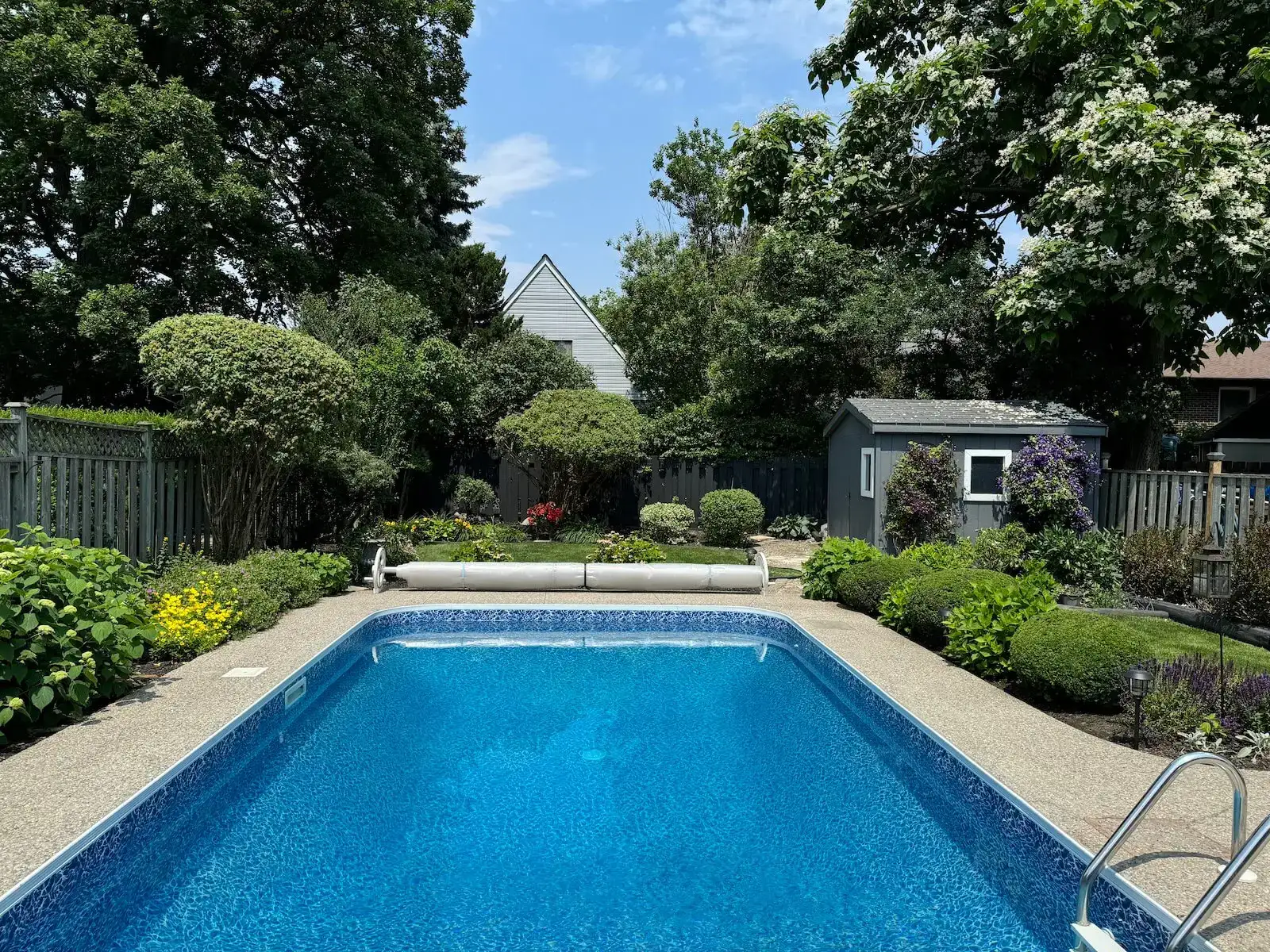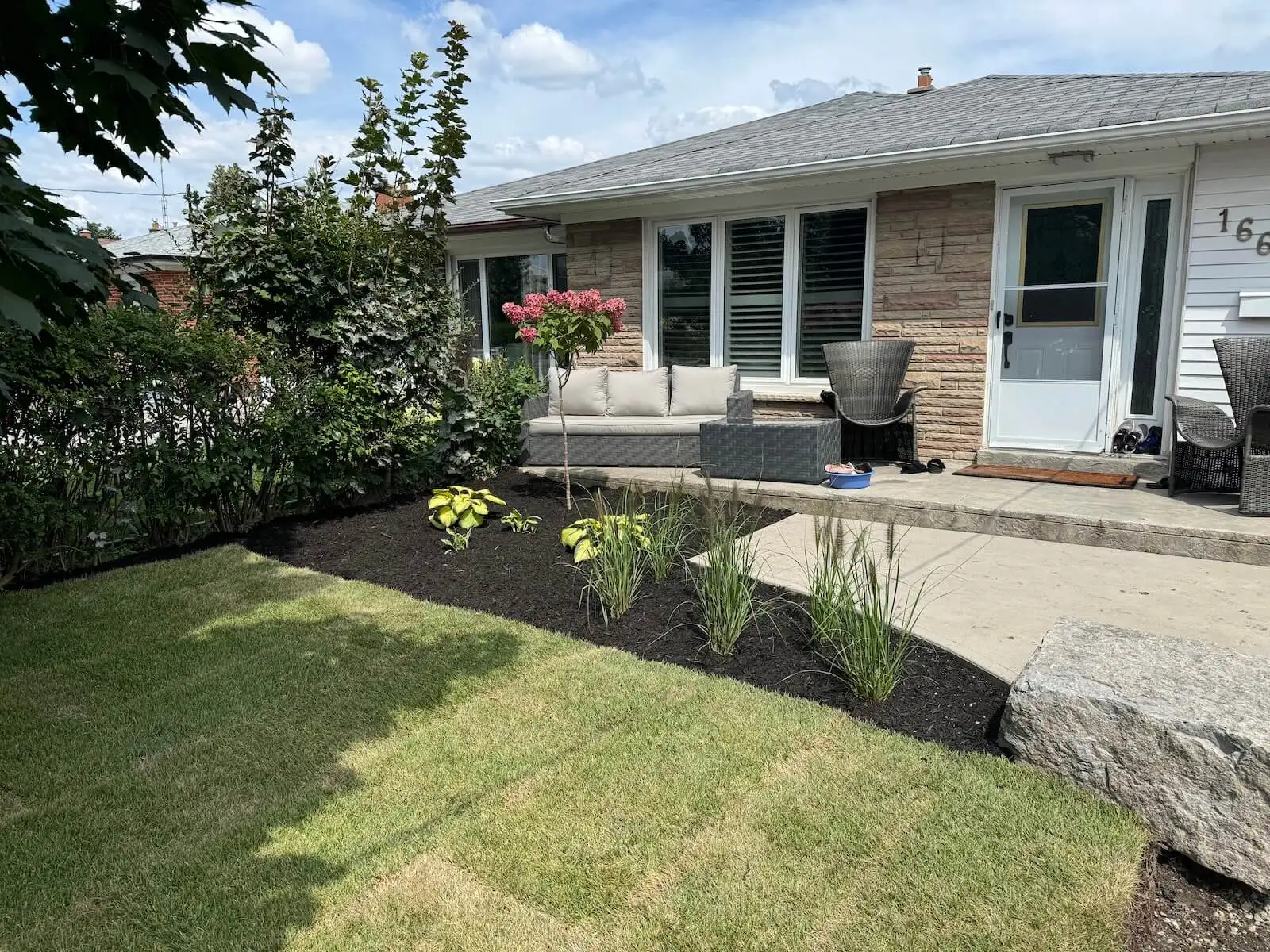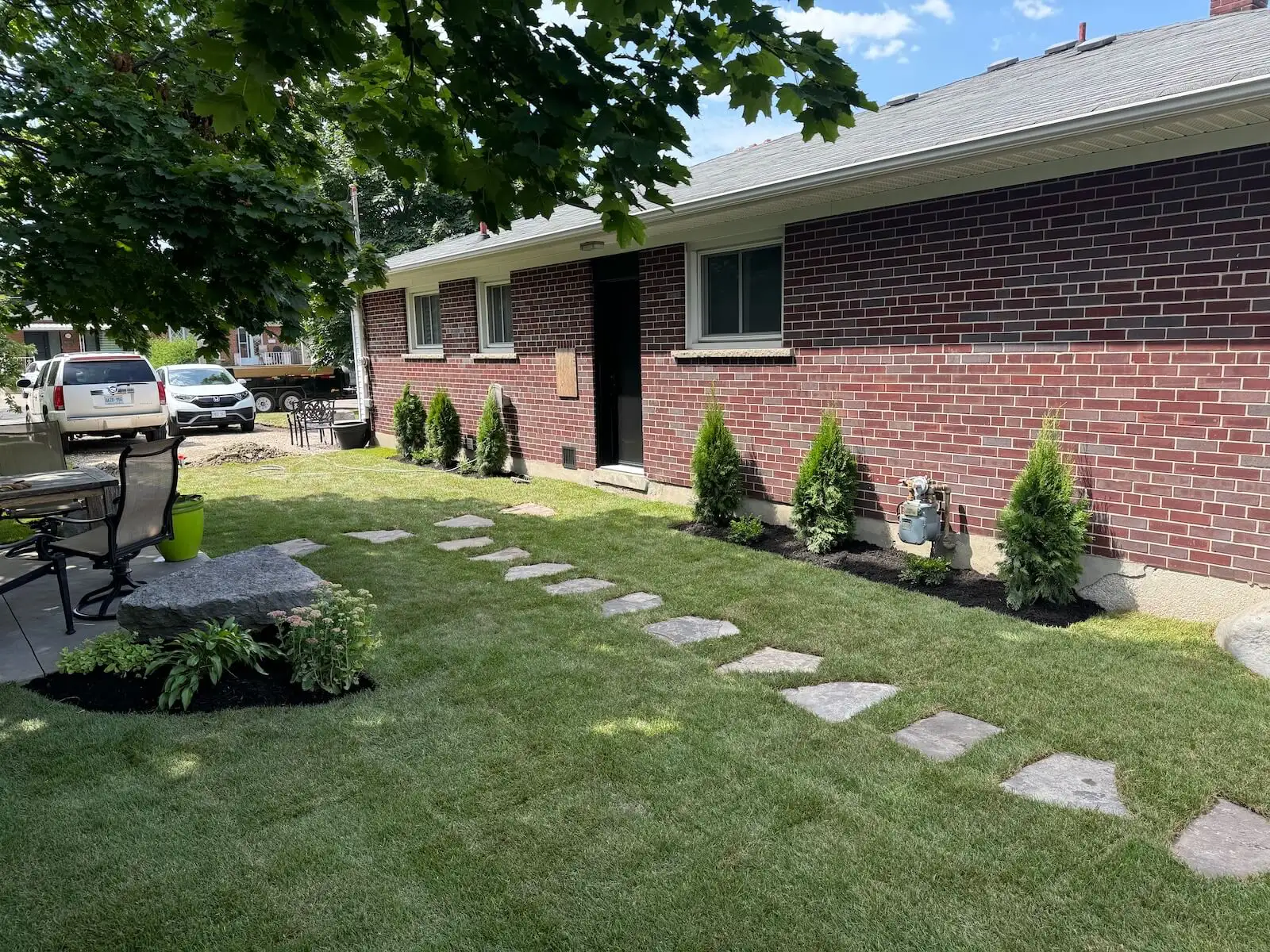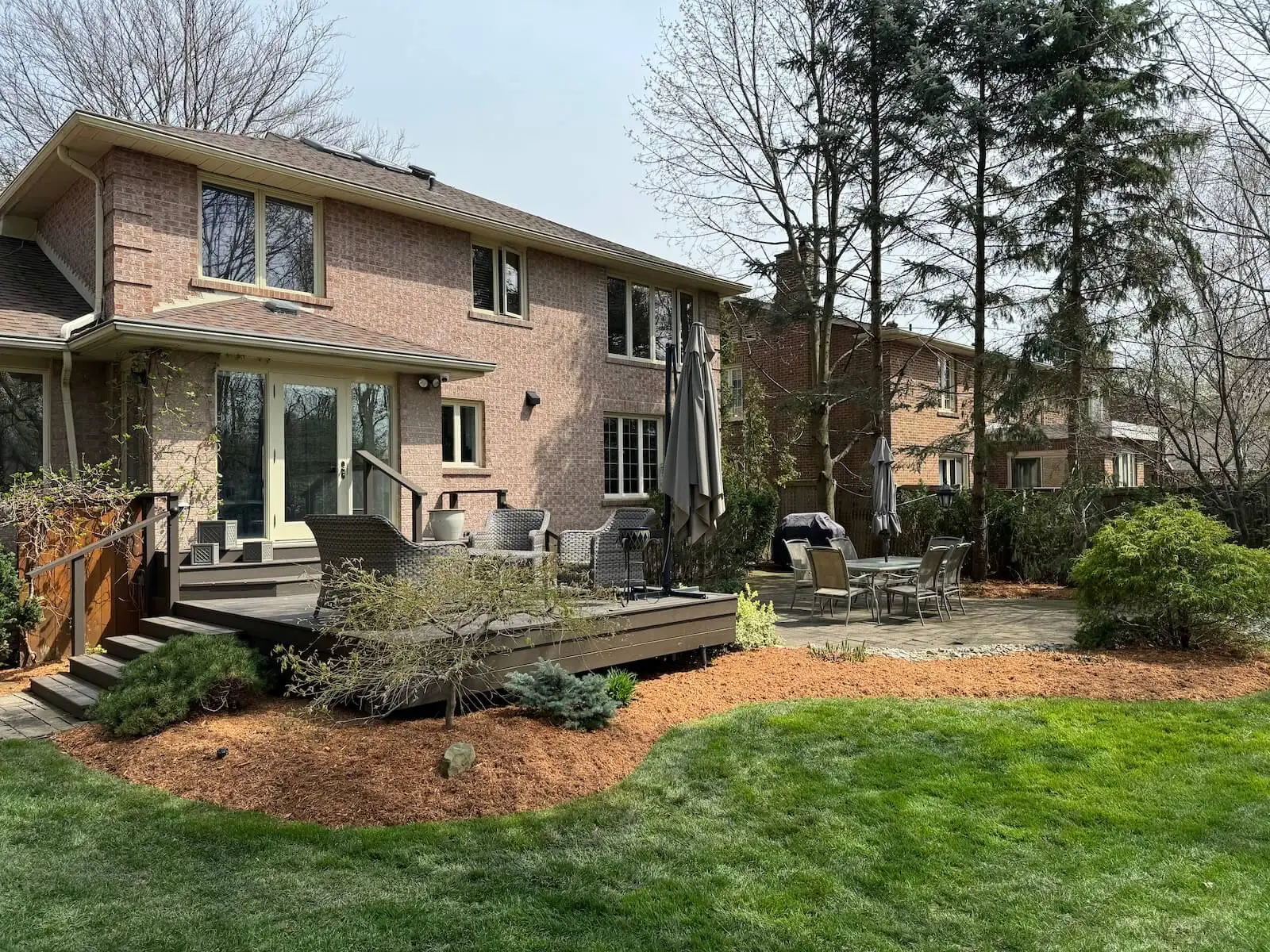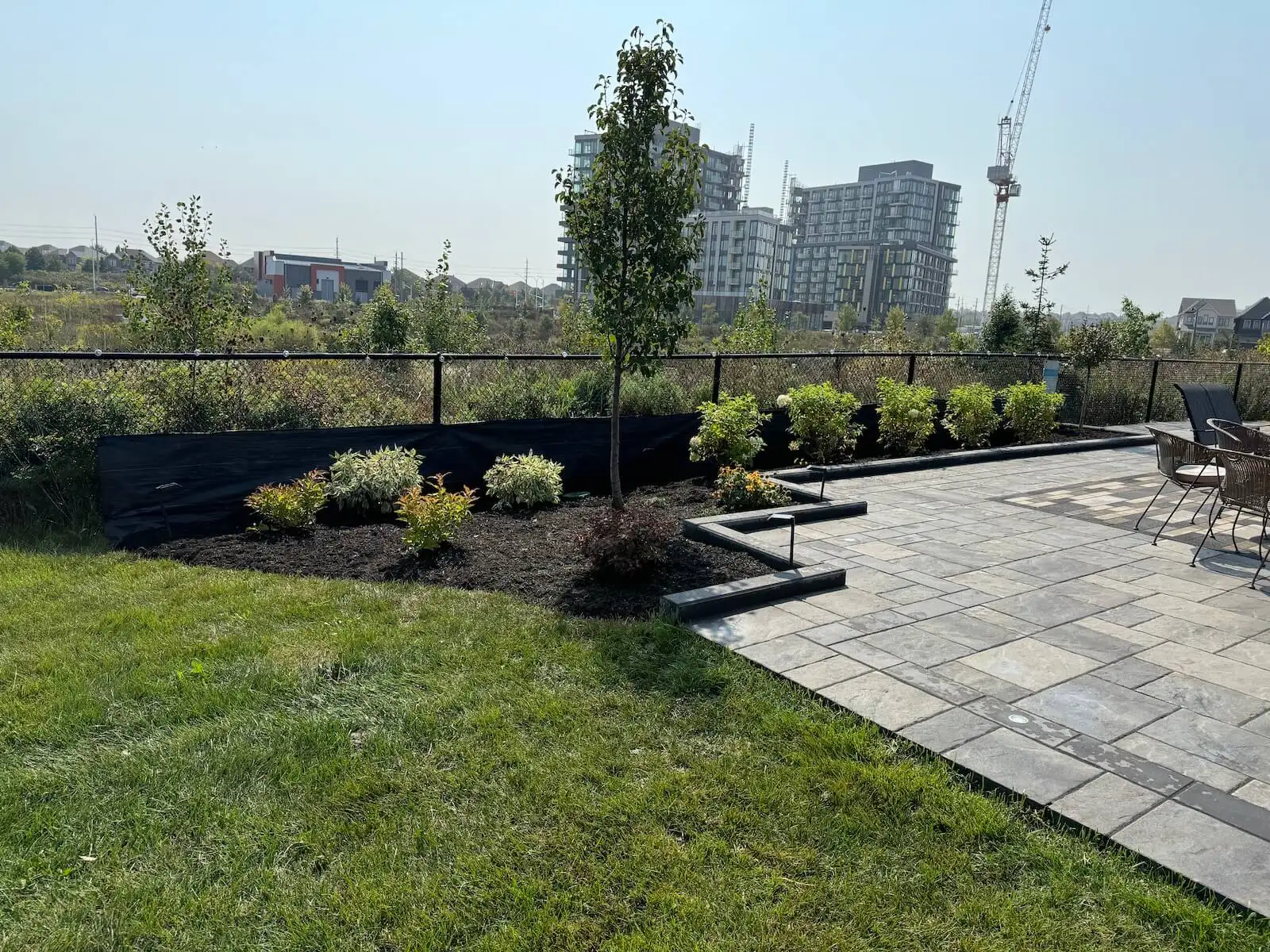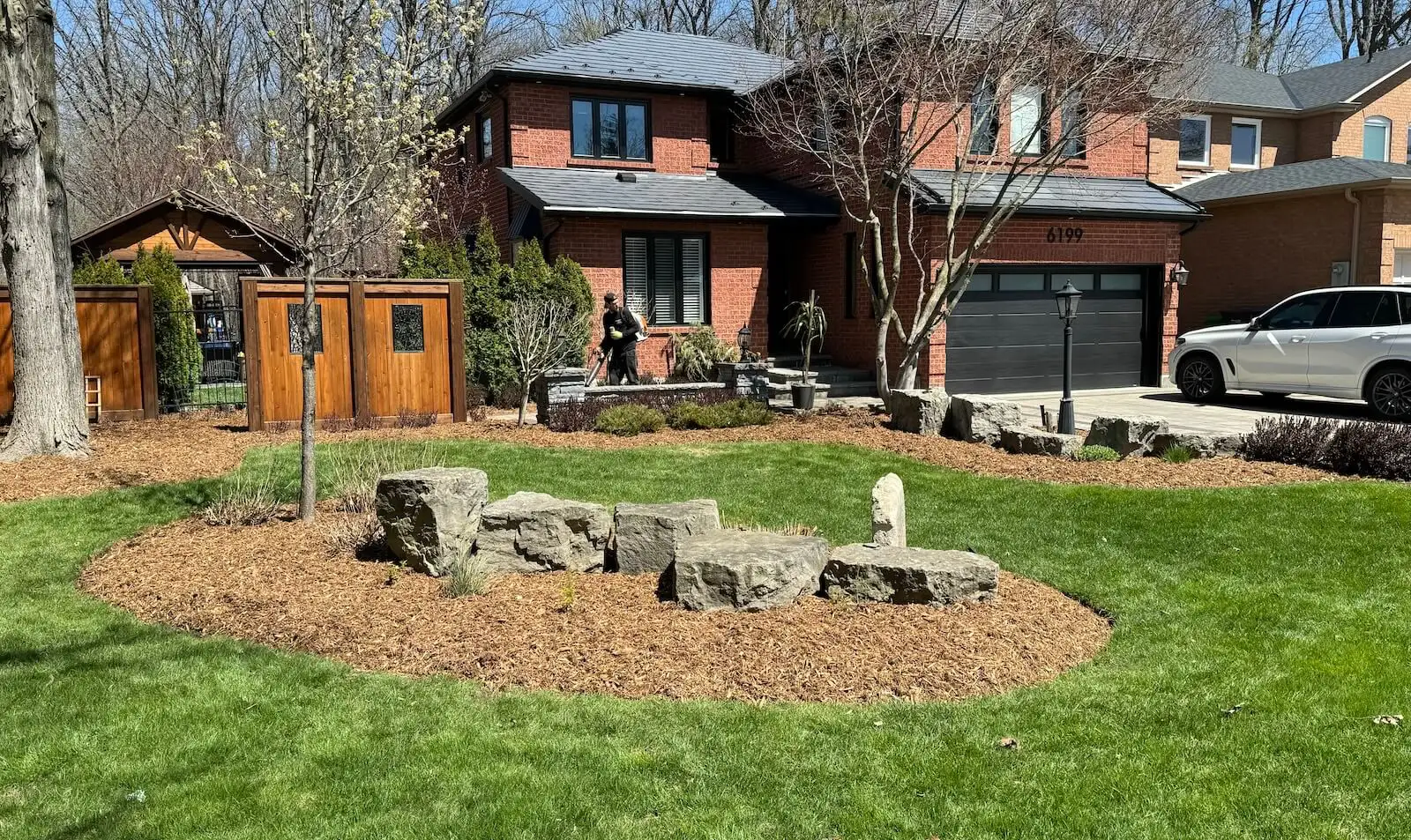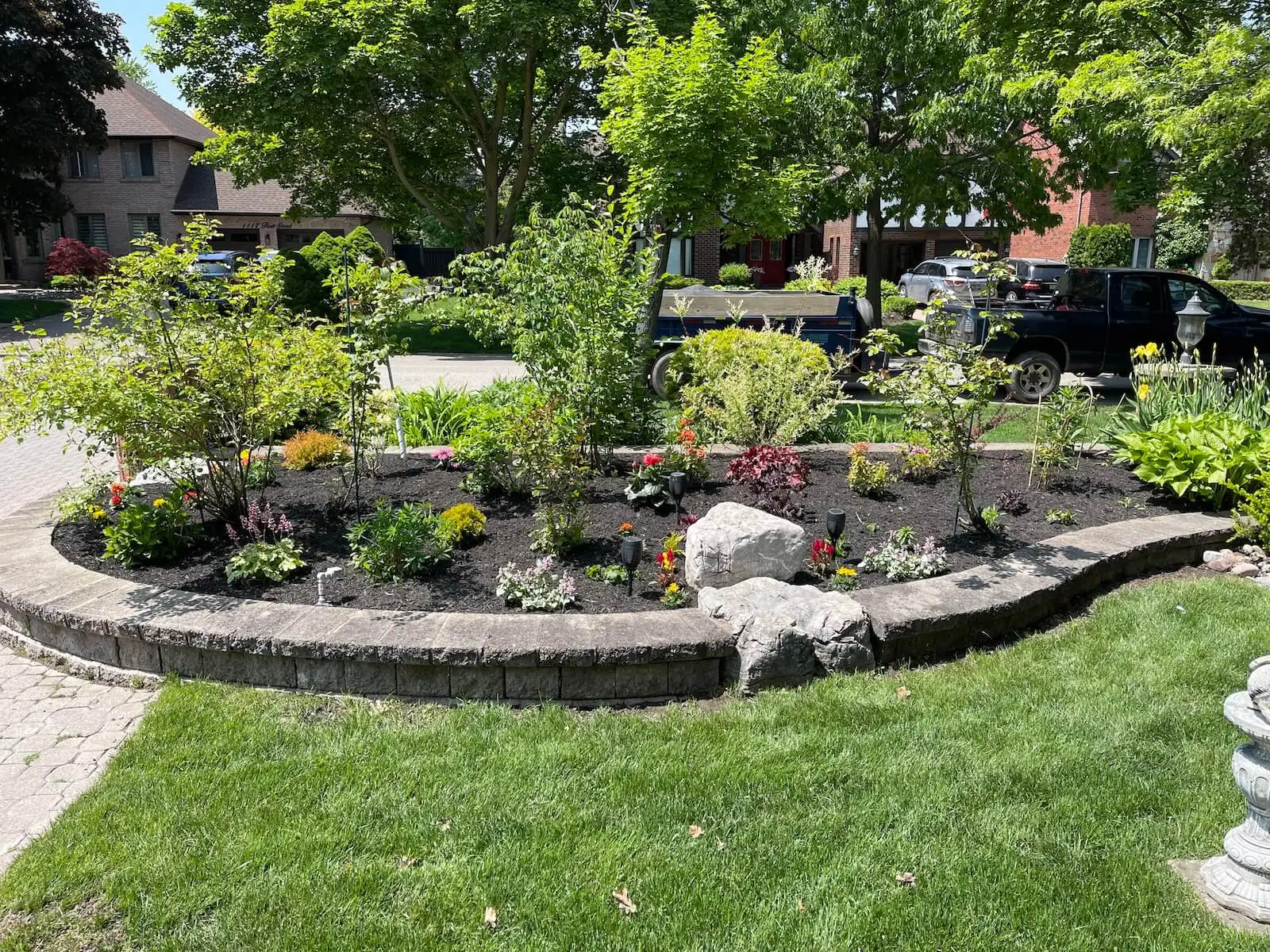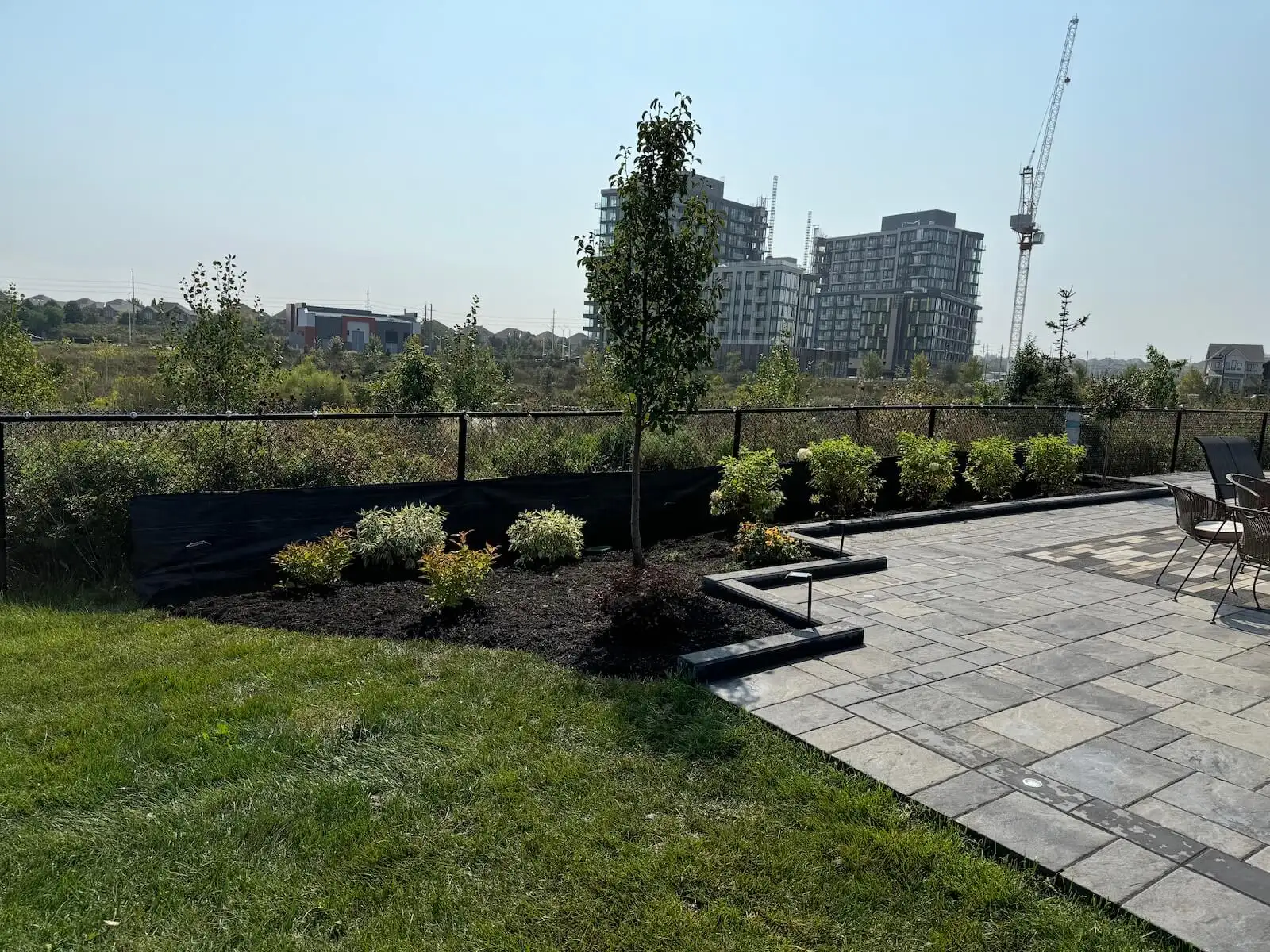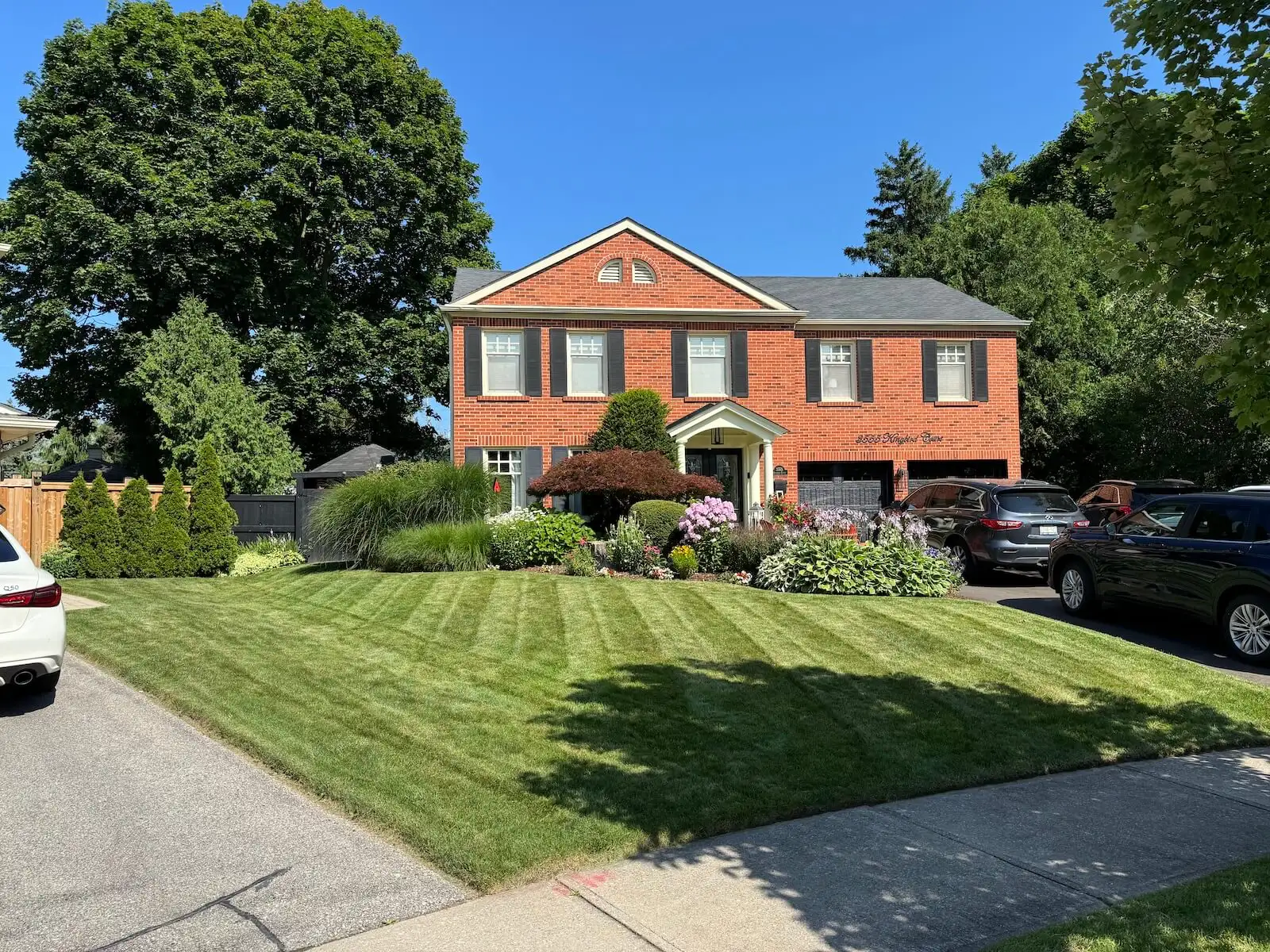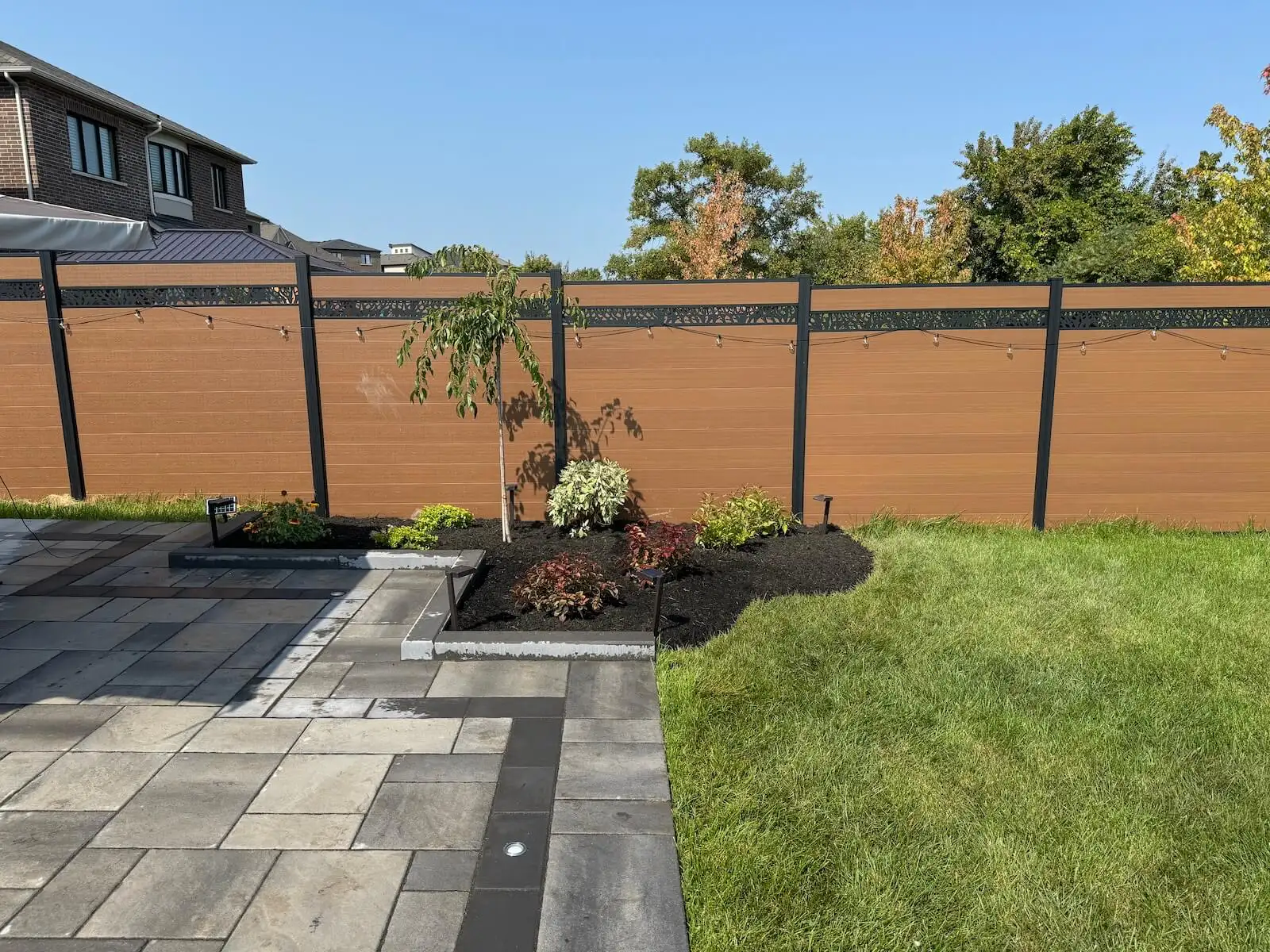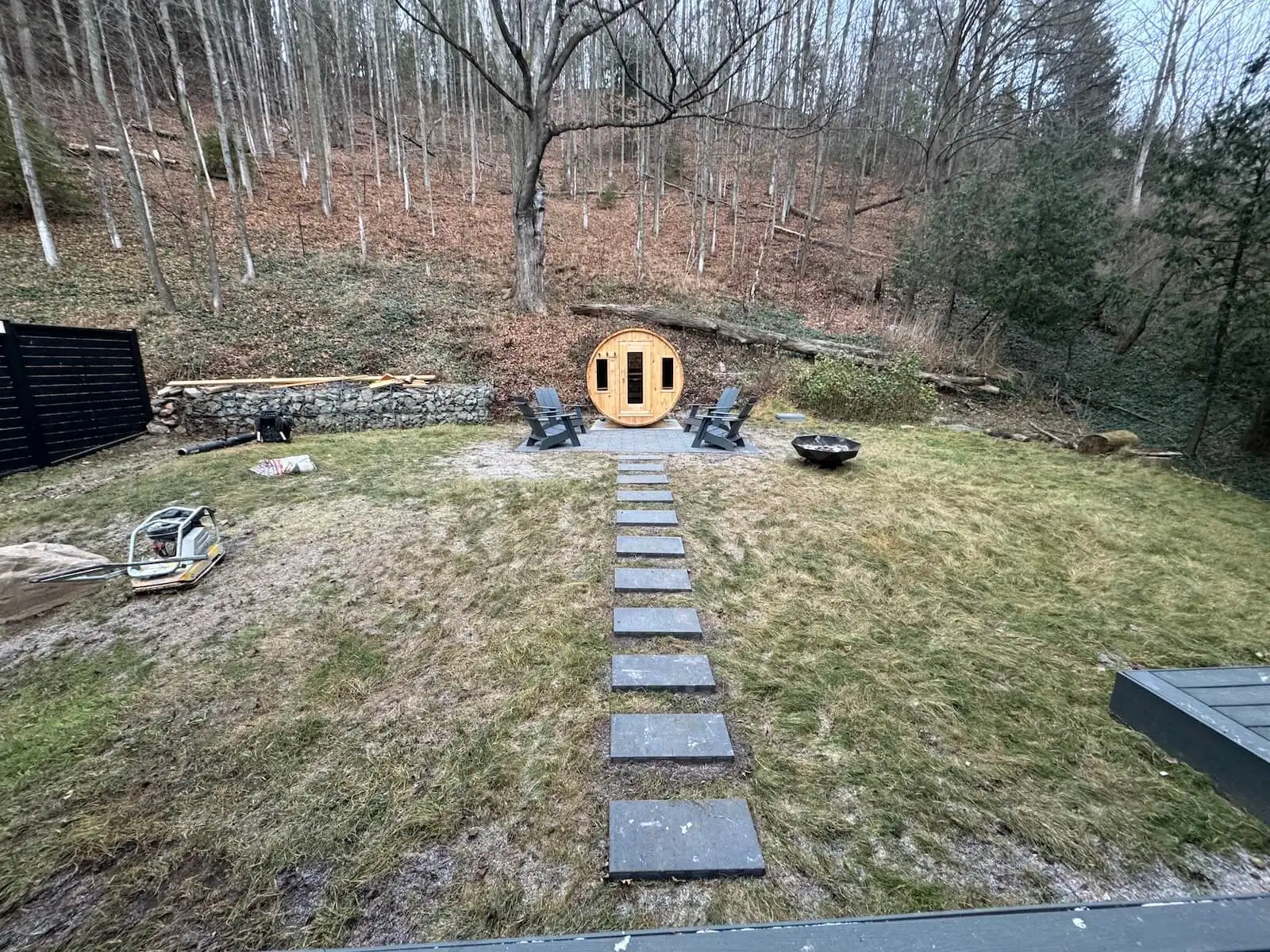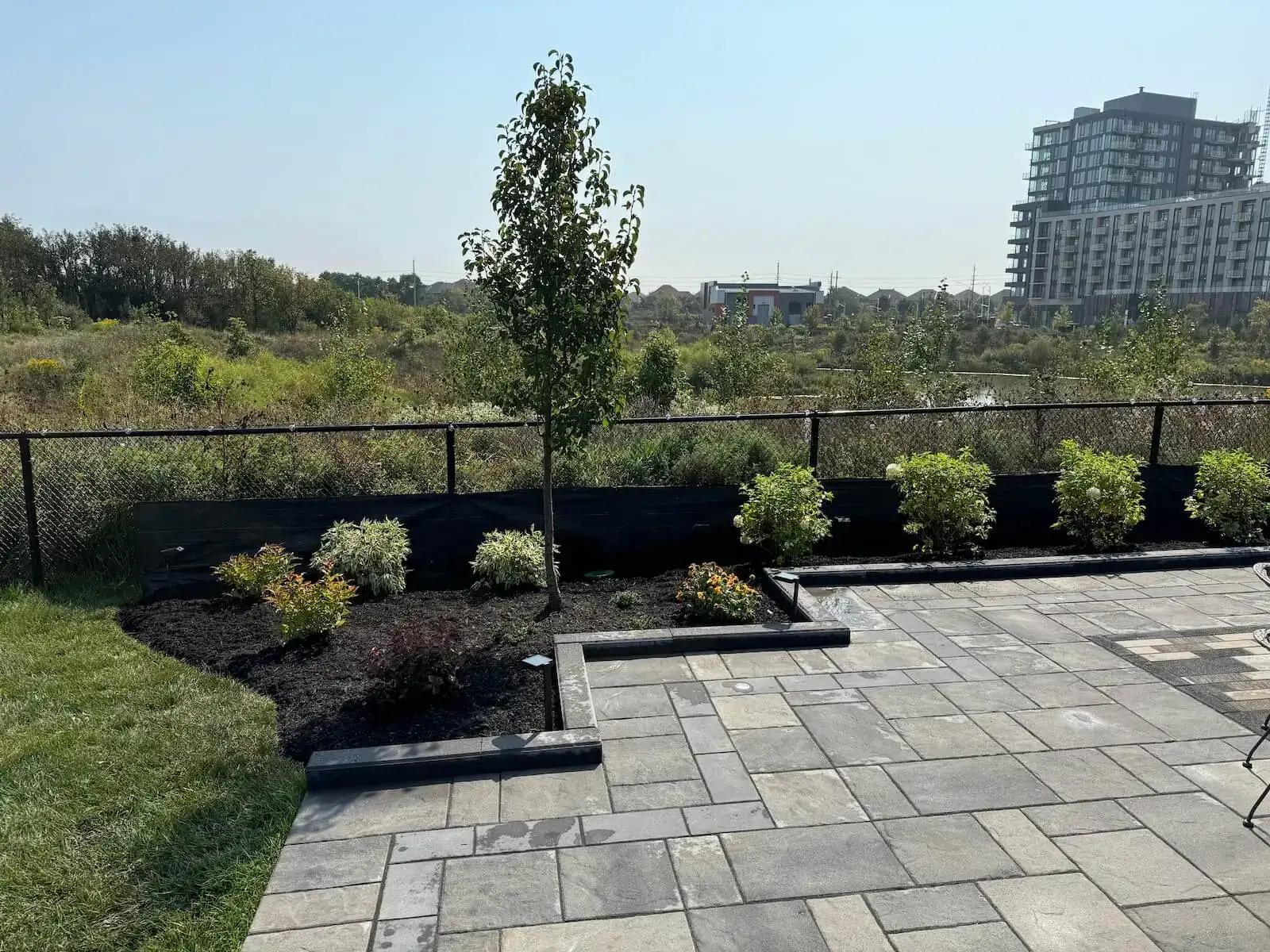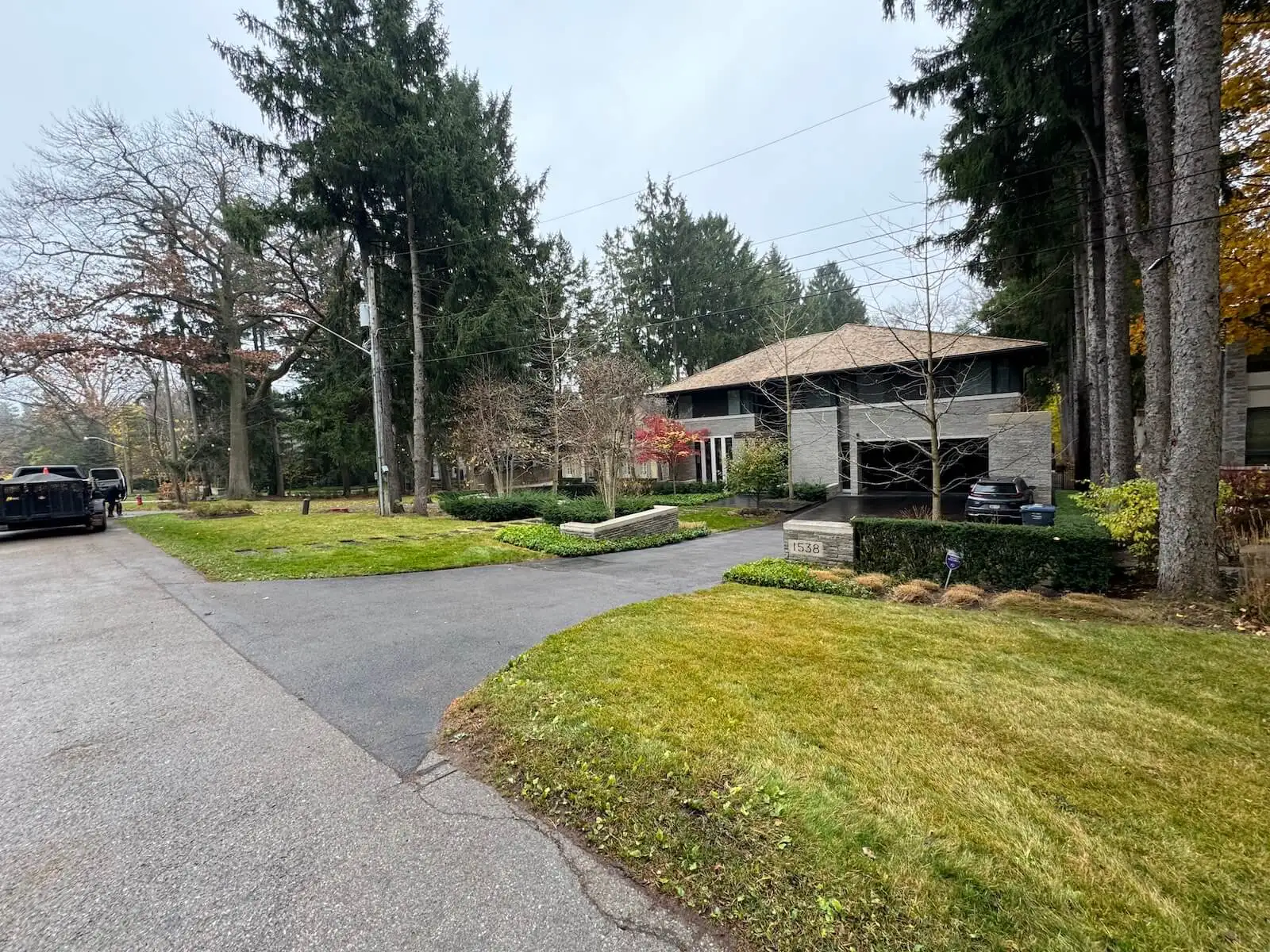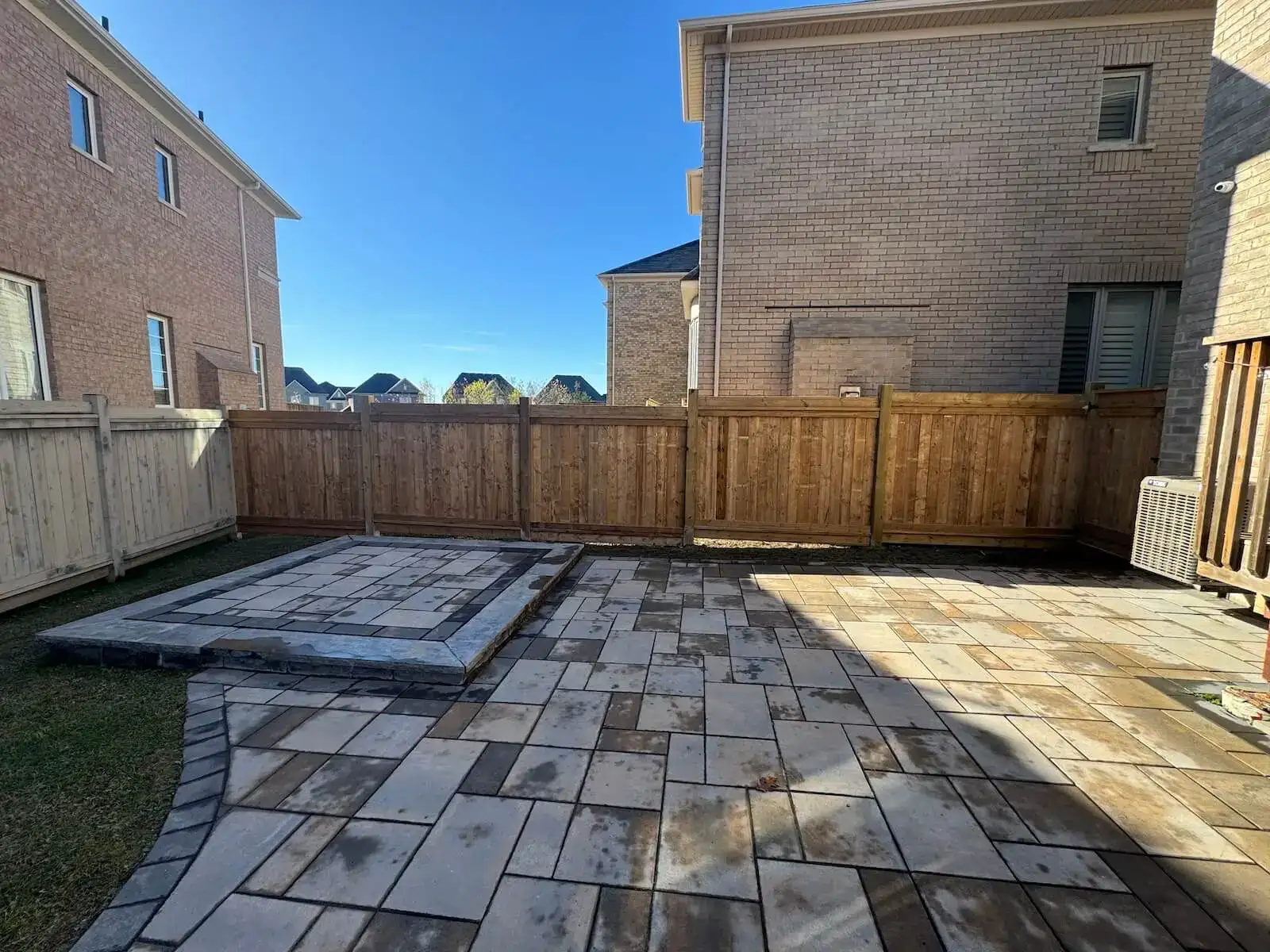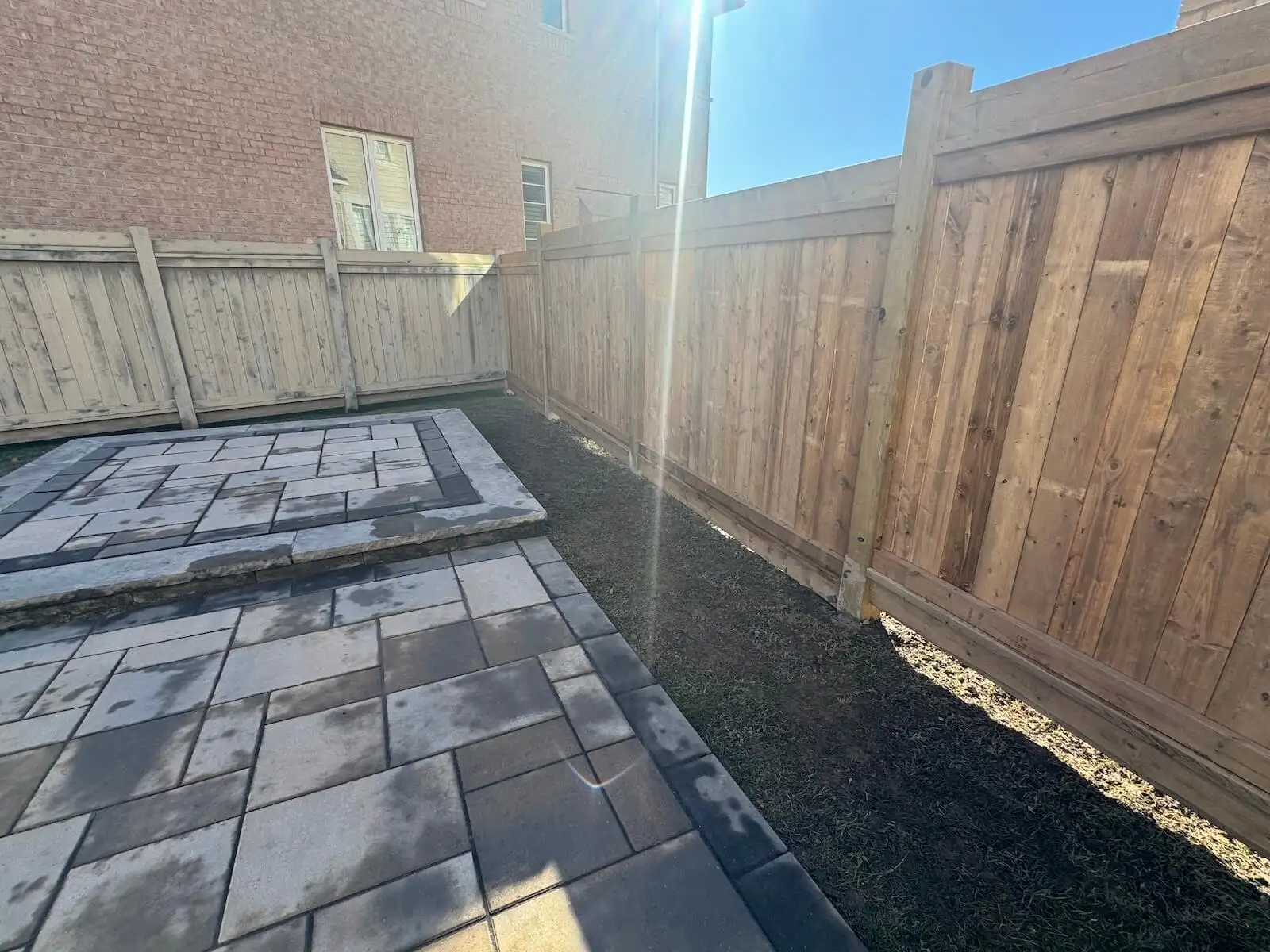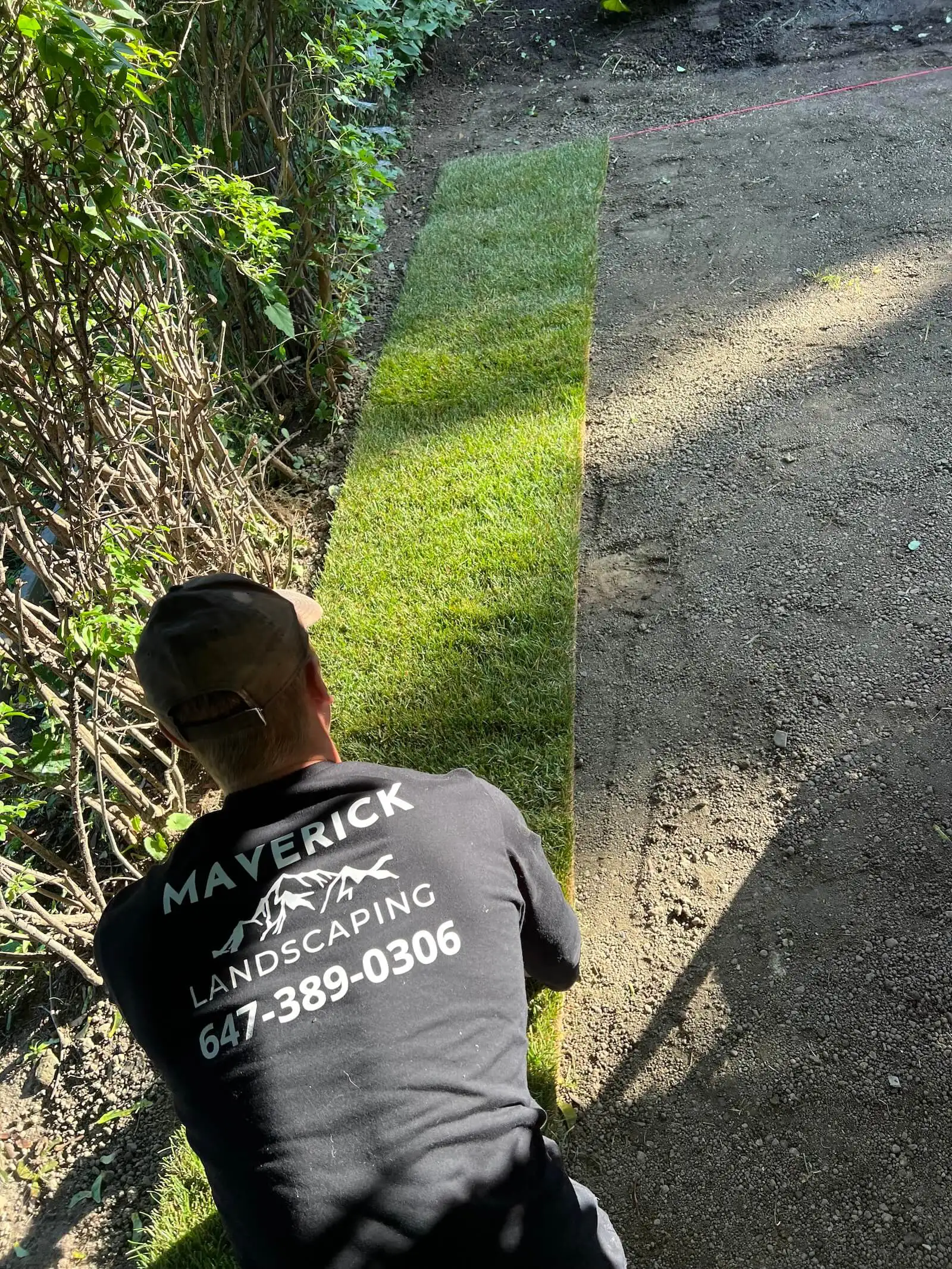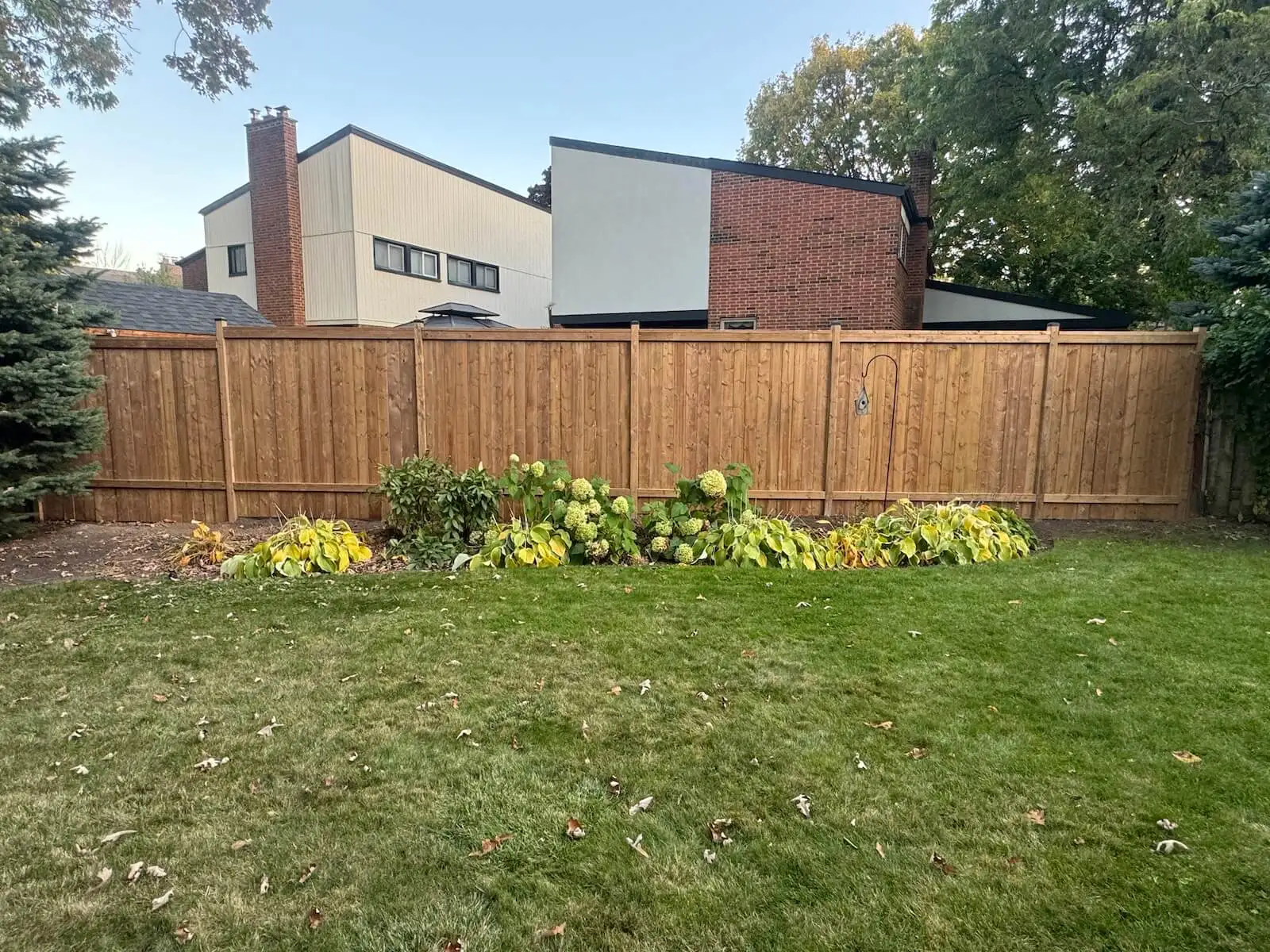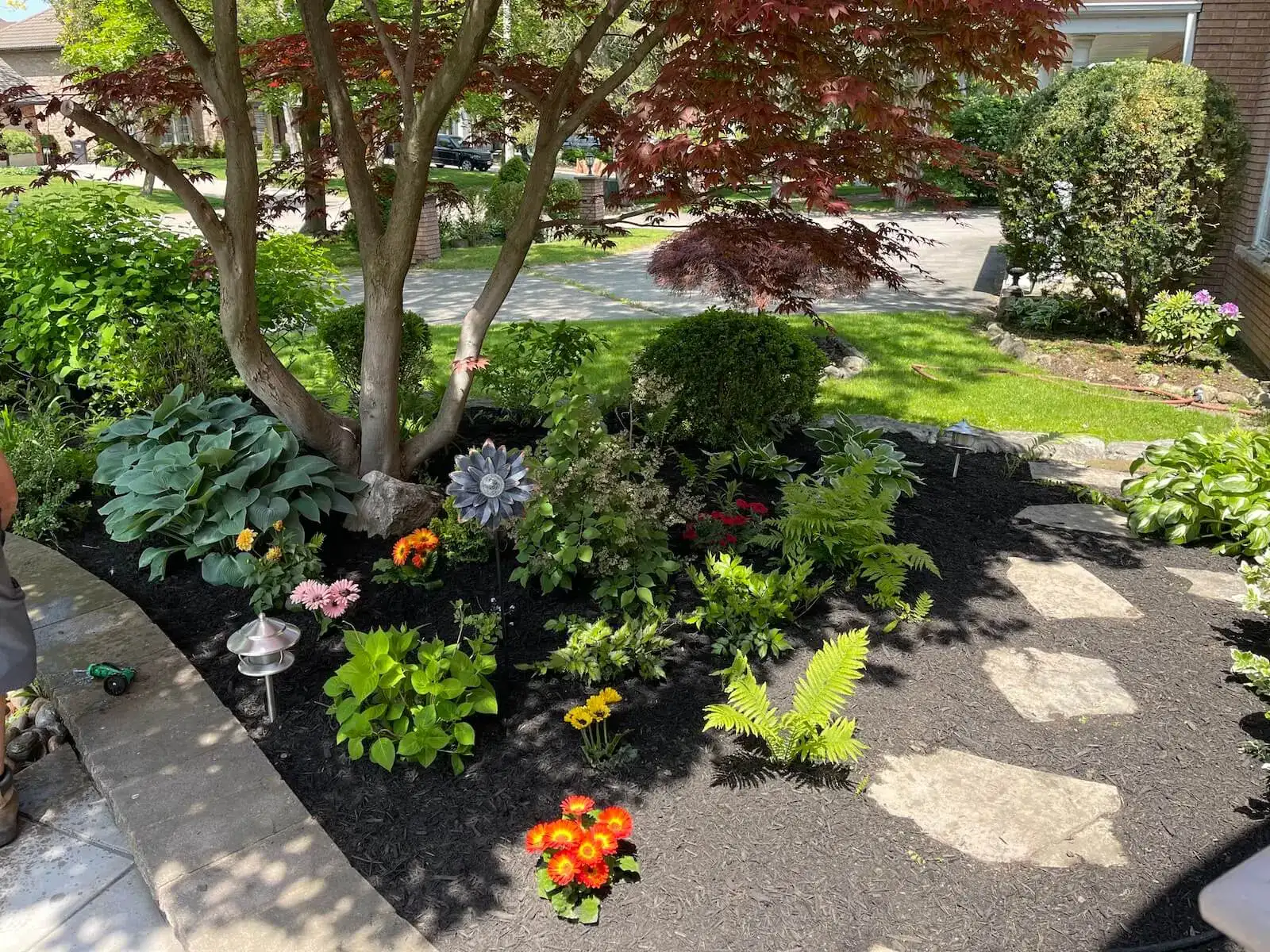









The best side yard paving ideas are usually not the fanciest ones. They are the ones that stay level, drain properly, and make a narrow strip between houses actually useful through GTA freeze-thaw winters.
A side yard is usually a circulation zone first and a design feature second. That is why the right layout, base prep, and drainage matter more than chasing one material photo online. This guide covers what works, what tends to fail, what side yard pavers cost in Ontario, and how to choose a finish that looks intentional instead of leftover.
Start With the Use Case: What Your Side Yard Needs to Do
The right design starts with function, because a side yard usually has one of four jobs: passageway, utility corridor, storage access, or destination space. A passage route needs consistent footing and clear width, while a lounge strip or dining nook needs space for furniture and lighting rather than just a path.
An awkward side yard becomes usable when the layout matches the traffic it carries every week. A front-to-back access route for bins, bikes, strollers, or a wheelbarrow needs a straighter path and tougher surface than a decorative side yard landscaping idea beside planting beds.
A muddy or shaded strip should be treated as a drainage and grading problem first, not just a surface problem. Water trapped beside the house can lead to heaving, pooling, weeds, and unstable pavers, especially through repeated freeze-thaw cycles in Zone 5–6 conditions across the GTA .
A utility-heavy side of house paving idea needs service access built in from the start. Gates, downspouts, meters, hose bibs, condensers, and grade changes all affect where paving can go and how finished the space can feel.
15 Side Yard Paving Ideas That Actually Work
1. Large-format concrete pavers
Large-format concrete pavers give a narrow side yard a cleaner, more modern look because fewer joints make the path feel less busy. They are best for daily access between front and back yards, and they fit upscale homes well when the colour palette stays restrained.
This is one of the strongest low maintenance side yard paving ideas when the base is built properly. It is not the best choice if the side yard has major drainage problems that have not been corrected first.
2. Permeable pavers for drainage-focused projects
Permeable pavers in a side yard can help surface water move through the paving system instead of sitting on top. They work best where runoff, mud, or downspout discharge makes a standard hard surface risky.
This option suits homeowners who want side yard pavers with a more engineered drainage approach. It is not a shortcut for bad grading, and performance still depends on the base design and site conditions.
3. Stepping stones with gravel
A gravel and stepping stone side yard is one of the most flexible budget-conscious layouts. It breaks up the surface visually, reduces the amount of premium material required, and works well for decorative access where traffic is moderate rather than constant.
This is one of the better small side yard paving ideas when you want texture without a full paved run. It is less suitable for wheelbarrows, garbage bins, and anyone who wants a perfectly stable route in all seasons.
4. Natural stone path
Natural stone creates a premium, softened look that suits traditional and transitional homes. It works well for side yard paving ideas where the goal is to make the passage feel like a garden path rather than a service strip.
This is a luxury choice with strong visual character. It is usually not the best budget route, and irregular stone needs disciplined installation or the path can look patchy fast.
5. Pavers with narrow planting strips
Pavers paired with narrow planting bands make a side yard feel designed instead of fully hard. This mixed approach works well where homeowners want low maintenance side yard ideas but still want some softness beside the fence or foundation.
This is one of the better answers to what to put in a side yard instead of grass. It is not ideal where bins, dogs, or heavy traffic will constantly crush the planted edges.
6. Pavers with artificial turf accents
Pavers with turf inserts create a sharp, modern grid and remove the need for real grass in shade-heavy spaces. It can work well for side yard paving ideas no grass layouts when the goal is a manicured look with very little trimming.
This style can look excellent in the right architecture. It is not my first choice for every home, because too much synthetic material in a tight strip can feel forced if the rest of the landscape is natural.
7. Side yard patio nook
A wider side yard can become a real destination with a compact patio, bench, and lighting. This works best when the clear width goes beyond simple passage use and the space gets enough privacy to feel intentional.
This is one of the more ambitious side yard paving ideas, and it can turn dead square footage into a lounge or morning coffee spot. It is not realistic in very narrow utility corridors where access still matters more than seating.
8. Utility-friendly paver walkway
A simple rectangular paver walkway is often the smartest answer for a service corridor. It handles repeated foot traffic, keeps bins stable, and gives technicians cleaner access to meters or back gates.
This is one of the most practical side of house paving ideas for everyday use. It will look plain if there is no edge detail, lighting, or planting to finish it.
9. Dog run-friendly surface mix
A dog run usually works best with stable pavers or steppers combined with a drainage-friendly infill, depending on cleanup needs and paw comfort. The goal is a surface that does not turn to mud and does not trap odour the way neglected grass can.
This is one of the most useful no-grass layouts for busy households. Loose gravel alone is not always ideal for every dog or every cleanup routine.
10. Modern minimalist side yard
A modern side yard uses straight lines, light restraint, and a small material palette. Large pavers, clean edging, wall lights, and one narrow planting zone are usually enough.
This is a strong narrow side yard walkway idea because visual calm makes tight spaces feel wider. It fails when too many accent materials or decorative objects are added.
11. Rustic or natural side yard
A rustic side yard uses textured stone, gravel, timber accents, and softer planting edges. It suits homes where a formal paver grid would feel too sharp.
This look is best for low-speed circulation and visual charm. It is not the best choice for a high-traffic access route that needs carts, strollers, or perfectly stable footing.
12. Raised-bed edge path
A path framed by slim raised beds gives structure to an awkward side yard and creates a stronger finished edge. It is useful when fences or foundation walls make the strip feel like a tunnel.
This approach works well for side yard landscaping ideas that need both paving and planting in limited width. It requires enough remaining clear width so the path does not feel pinched.
13. Lit side yard passage
Integrated lighting makes a side yard safer and more finished at the same time. Low-voltage fixtures, step lights, or wall lights can visually widen the route and improve nighttime access to gates and bins.
This is one of the easiest upgrades for a side yard that already has a decent surface. It does not fix layout or drainage problems, but it does make a narrow space feel intentional.
14. Drainage-first side yard
A drainage-first side yard uses surface shaping, collection points, and the right paving assembly to move water where it should go. This is often the right answer for dirt strips that stay wet after rain rather than just looking messy.
This is one of the smartest side yard paving ideas for GTA homes because drainage failure ruins expensive finishes. It is less about style and more about building the space correctly before adding style.
15. Bin and AC access corridor
A dedicated access corridor balances appearance with function by keeping a stable path clear to garbage storage, gates, and mechanical equipment. It usually uses durable pavers, simple edging, and layouts that avoid blocking service points.
This is one of the best low maintenance side yard ideas for households that actually use the space every day. It will not feel luxurious unless clutter is controlled and utility views are softened.
Best Materials for Side Yard Paving in the GTA
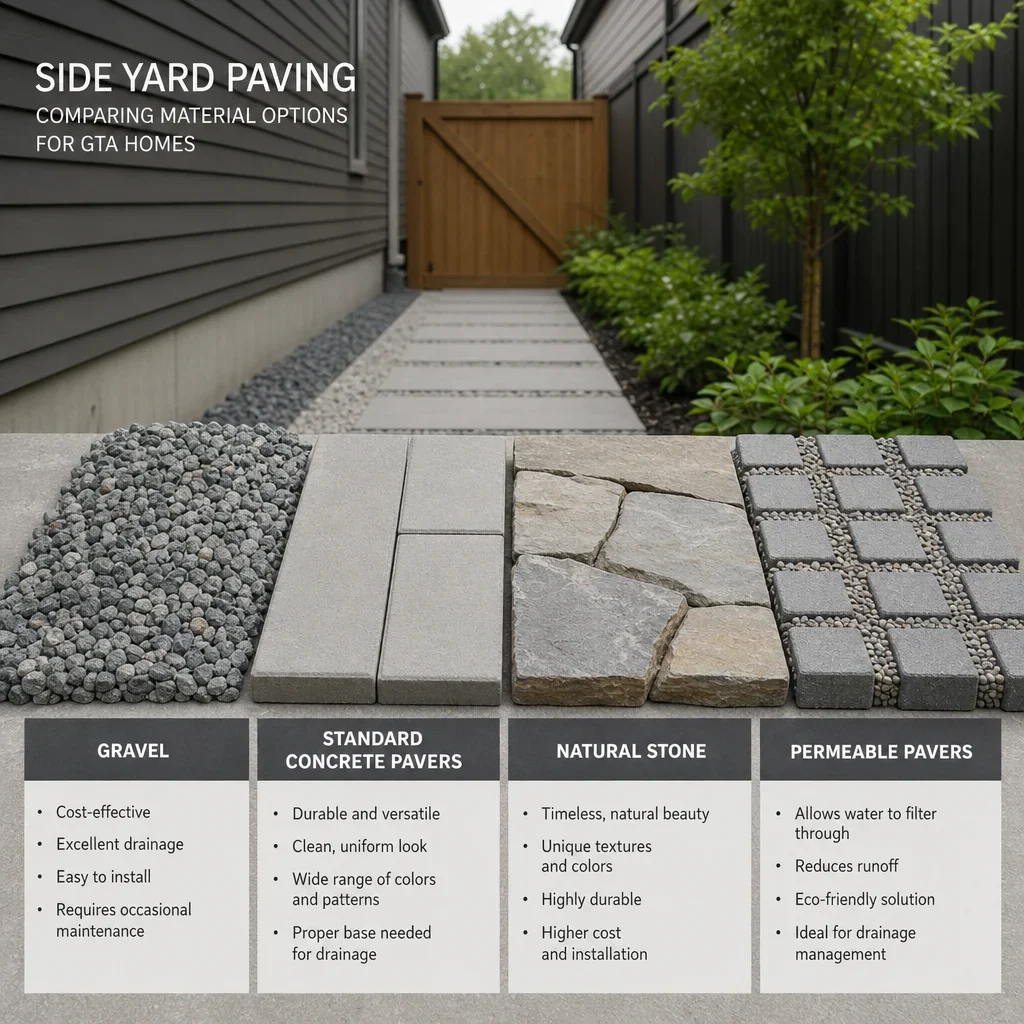
The best paving material depends on drainage, traffic, maintenance tolerance, and winter performance, not just appearance. In the GTA, surface choice matters less than many homeowners think if the base, slope, edging, and water management are wrong.
Here is a practical comparison for common side yard paving materials:
| Material | Typical installed cost (CAD/sq. ft.) | Maintenance | Freeze-thaw suitability | Drainage friendliness | Comfort underfoot | Weed risk | Best use case |
|---|---|---|---|---|---|---|---|
| Gravel | $8–$18 | Low to moderate | Good if contained and drained | High | Moderate | Moderate | Budget paths, decorative access |
| Decomposed granite | $10–$20 | Moderate | Use cautiously in freeze-thaw sites | Moderate | Good | Moderate | Mild-use natural paths |
| Standard concrete pavers | $18–$30 | Low | Strong with proper base | Moderate | Good | Low to moderate | Daily access walkways |
| Premium concrete pavers | $25–$40 | Low | Strong with proper base | Moderate | Good | Low to moderate | Modern premium side yards |
| Natural stone | $30–$55 | Low to moderate | Good when correctly installed | Moderate | Good | Low to moderate | Luxury garden paths |
| Porcelain pavers on proper system | $30–$50 | Low | Depends heavily on system and site | Moderate | Firm | Low | Modern patios and premium strips |
| Brick | $20–$35 | Moderate | Fair to good with proper install | Moderate | Good | Moderate | Traditional homes |
| Artificial turf with steppers | $18–$35 | Low to moderate | Fair when drainage is handled | Moderate | Soft to moderate | Low | No-grass decorative strips |
| Mixed hardscape and planting | $20–$45+ | Moderate | Good if designed for drainage | High | Good | Low to moderate | Softer architectural designs |
Concrete pavers are usually the safest middle ground for side yard pavers in Ontario because they balance durability, repairability, and design range. A damaged section can usually be lifted and reset more easily than a cracked monolithic surface.
Gravel is one of the cheaper side yard paving ideas on a budget, but it tends to migrate in narrow passageways and can be frustrating under bins or wheels. It makes more sense for decorative routes than for hard daily service use.
Natural stone gives the richest finish, but it needs careful detailing to avoid a pieced-together look. We see homeowners overspend on the stone itself and underspend on the hidden work that keeps it stable.
Porcelain can look excellent in premium projects, but I would only choose it with the right installation system for the site. Winter traction, edge support, and base design matter more than the showroom sample.
A mixed design of pavers, gravel, and plants is often the best answer to what to put in a side yard instead of grass. It softens the space, reduces uninterrupted hardscape, and can still keep maintenance manageable if the layout is simple.
Quick Decision Tree: Should You Choose Gravel, Pavers, Stone, Turf, or a Mixed Design?
The quickest way to choose is to start with budget, traffic, drainage, look, and maintenance tolerance. If even one of those is ignored, the side yard usually looks fine for one season and frustrating after that.
Choose standard concrete pavers if the path is used every day and needs stable front-to-back access. This is usually the safest route for bins, kids, wheelbarrows, and repeated foot traffic.
Choose stepping stones with gravel if your main goal is visual improvement at a lower cost. This is one of the better cheap side yard paving ideas for lighter-use spaces where a little movement in loose material will not be a major issue.
Choose permeable pavers for a side yard if runoff and standing water are part of the problem. That is especially useful when you want a finished surface but also need the system to support drainage performance.
Choose natural stone if the space is visible, design-driven, and part of a premium landscape plan. That is a finish-first decision, but the drainage and base still have to earn it.
Choose turf with stepping stones only when real grass is struggling from shade, wear, or awkward irrigation. This is a no-grass option, not a cure for poor grading.
Choose a mixed paving-and-planting layout if you want a softer luxury feel instead of a full hard corridor. This works best when the side yard has enough width to carry both a clear path and a narrow planted edge.
Choose a simple utility corridor if the side yard is extremely narrow and service access matters more than lounging. In that case, practical side of house paving ideas usually beat decorative ones.
Narrow Side Yard Layout Rules That Make the Space Feel Bigger
A narrow side yard feels better when the layout is simple, the surfaces are consistent, and the destination is obvious. Tight spaces look wider when you reduce visual interruptions rather than adding more detail.
A comfortable walking path is usually about 36–48 inches wide , while routes that need bins, strollers, or wheelbarrows often work better around 42–60 inches . Those are planning ranges, not strict code standards, and your actual site may be constrained by fences, utility equipment, and setbacks.
Straight paths usually make the most sense in narrow side yard walkway ideas because they preserve usable width. Offset or stepping layouts can look attractive, but they often waste precious space in already tight corridors.
Light-coloured paving can help a narrow strip feel less enclosed because it reflects more light into shaded areas. That matters in side yards where fences and neighbouring walls already reduce brightness.
Using one main paving material and one supporting material is usually enough. The fastest way to make an awkward side yard look cluttered is to combine too many textures, colours, and decorative accents in a space that barely fits a path.
Utilities should be acknowledged, not fought. Downspouts, meters, gate swings, hose bibs, and condensers need access, and a good design makes them feel integrated rather than forgotten obstacles.
Modern side yards tend to use cleaner lines and fewer joints, while natural styles use more texture and softer planting. Transitional layouts sit in the middle and usually suit the broadest range of GTA homes.
Side Yard Paving Ideas by Problem: Shade, Mud, Slope, Traffic, and No Grass
A shady side yard usually performs better with hardscape, gravel, or shade-tolerant planting than with turf that struggles to establish. If grass keeps thinning out, that is often a sign to stop forcing it and choose a no-grass design instead.
A muddy side yard needs drainage correction before finish materials go down. Adding pavers over wet, unstable ground without dealing with the water path usually leads to settlement, rocking, and dirty splashback against the house.
A high-traffic side yard needs a tightly installed, stable surface instead of loose fill. Standard pavers, well-installed stone, or a properly designed permeable system are stronger choices than decorative gravel alone for repeated daily access.
A sloped side yard may need more than paving if water is accelerating downhill or cutting through the route. Depending on the grade, edging, drainage intervention, steps, or retaining elements may be needed to keep the path stable and safe.
A side yard where grass fails can still look finished with full hardscape or a mixed design. Hardscape-only layouts suit service corridors, while mixed pavers and planting usually feel warmer and more architectural.
Can You Lay Pavers Directly on Dirt? What Proper Installation Requires
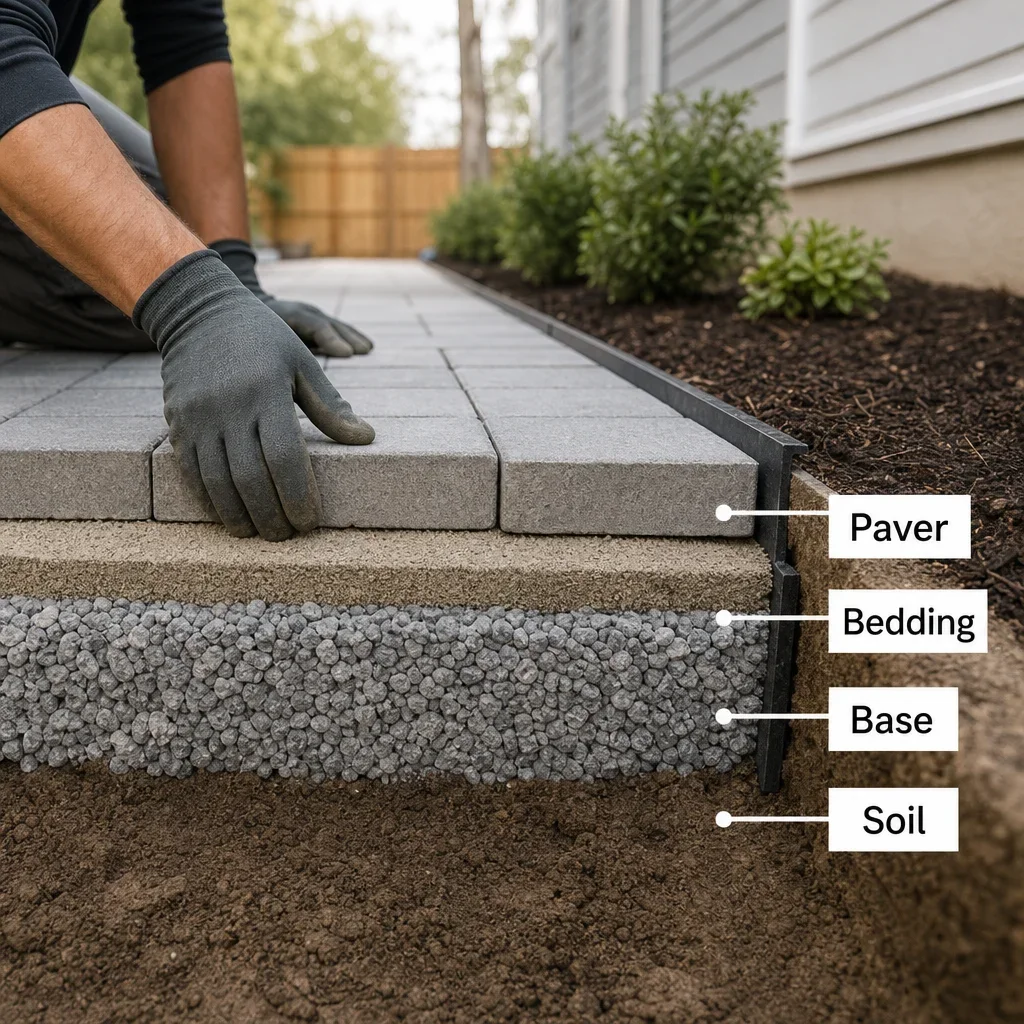
No, not for a durable side yard path in Ontario. You can place temporary stepping stones on soil for a garden shortcut, but side yard pavers that need to stay level through winter should not simply sit on dirt.
A proper installation starts with excavation, stable base material, compaction, a bedding layer, edge restraint, jointing, and drainage planning. Each layer does a different job, and skipping one usually shows up later as movement or water problems.
Gravel under pavers is not optional if you expect the path to stay stable. Without a compacted granular base, pavers can settle, rock, hold water, spread apart, and heave when freeze-thaw cycles hit.
Slabs laid straight onto soil usually become uneven because organic ground shifts with moisture and temperature. That is why a side yard that looked flat after installation can become a trip hazard after one or two winters.
The exact base depth depends on soil, drainage, and traffic load, so I would not quote one depth for every property. What matters to homeowners is the principle: the surface is only as good as the support under it.
Budget Guide: What Side Yard Paving Costs in Ontario
Side yard paving costs usually depend more on site difficulty than on the material sample alone. Access constraints, excavation, drainage fixes, edging, lighting, and custom cuts can move the budget fast.
Here is a broad planning matrix for Ontario-installed projects:
| Project type | Typical installed range |
|---|---|
| Simple utility path | $1,500–$4,000 |
| Gravel and stepping stone path | $1,800–$4,500 |
| Standard paver walkway | $3,000–$8,000 |
| Premium natural stone walkway | $5,000–$12,000+ |
| Side yard patio conversion | $6,000–$20,000+ |
A 20×20 patio is 400 square feet , which is larger than many side yard projects but still useful as a cost reference. In Ontario, a professionally built patio of that size often lands somewhere around $8,000–$22,000+ depending on the material, drainage work, access, and detailing .
Poured concrete can have a lower upfront cost than pavers in some projects, especially on simpler sites. Pavers often cost more initially but can offer easier spot repairs and a more premium appearance, so the cheaper option depends on both the scope and the standard of finish.
The cheapest form of paving is usually loose material such as gravel, but the real question is whether it suits how you use the space. A low initial cost is not a bargain if the path becomes messy, migrates, or needs constant correction.
If you want side yard paving ideas on a budget that still look intentional, simplify the layout first. A clean path, restrained edging, one lighting layer, and strategic use of gravel can look far more premium than a crowded mix of bargain materials.
Practical Details Most Side Yard Guides Miss: Access, Utilities, Bins, Dogs, and AC Units
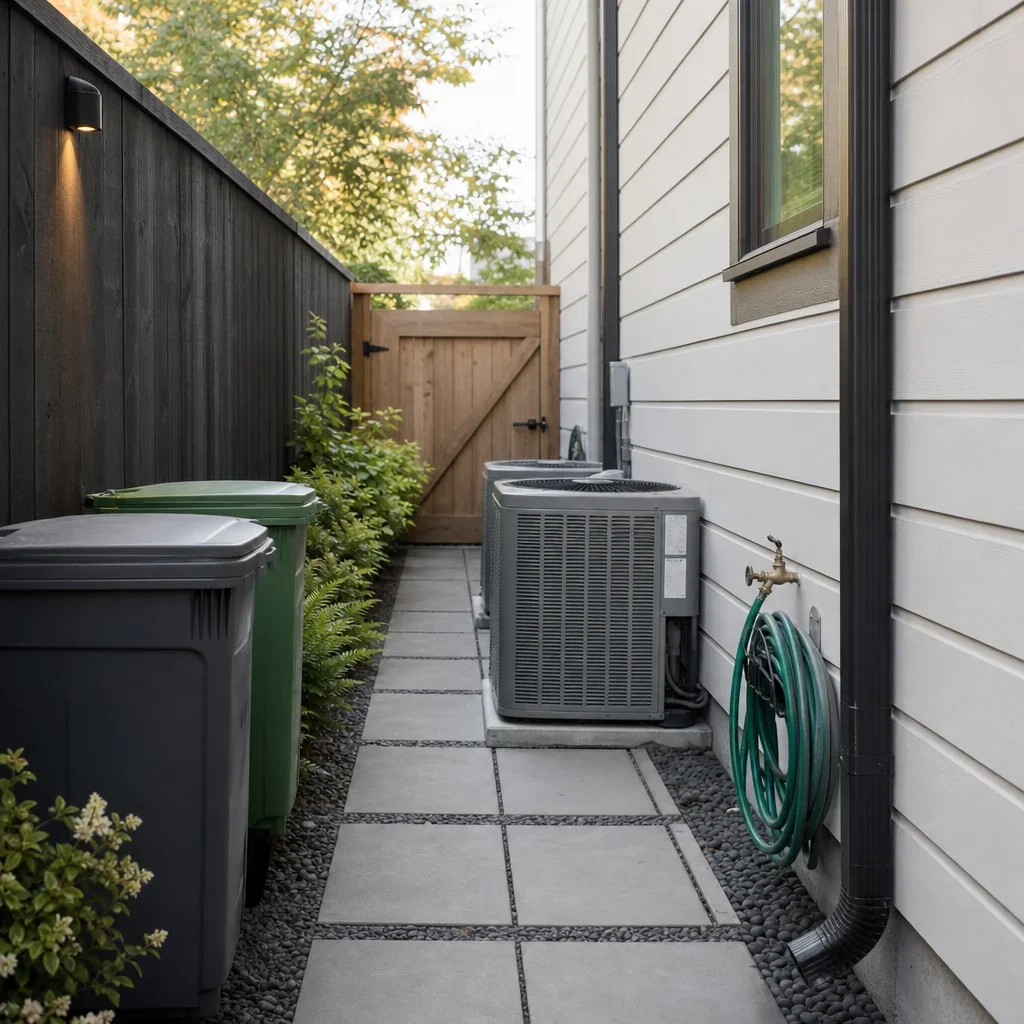
The side yard often works as a service corridor, so function has to be protected before style is layered in. Garbage access, hose bibs, meters, and gate swings should stay easy to reach after the paving is built.
Bin storage works best when it feels tucked in rather than parked in the middle of the path. Even a narrow screen, fence return, or planting edge can keep the passage from looking like overflow storage.
Dog run design needs stable footing, drainage, and surfaces that are easy to clean. That usually points toward pavers or mixed hardscape rather than mud-prone grass in a shaded side yard.
AC access needs caution because blocking service access or airflow can create problems. Homeowners should confirm manufacturer guidance and service requirements before enclosing or tightening the area around a condenser.
An awkward side yard can still work well when the utility functions are organized instead of hidden badly. In practice, that means deciding what must stay accessible and designing around it cleanly.
Drainage, Freeze-Thaw, and Maintenance: How to Keep a Side Yard Looking Good
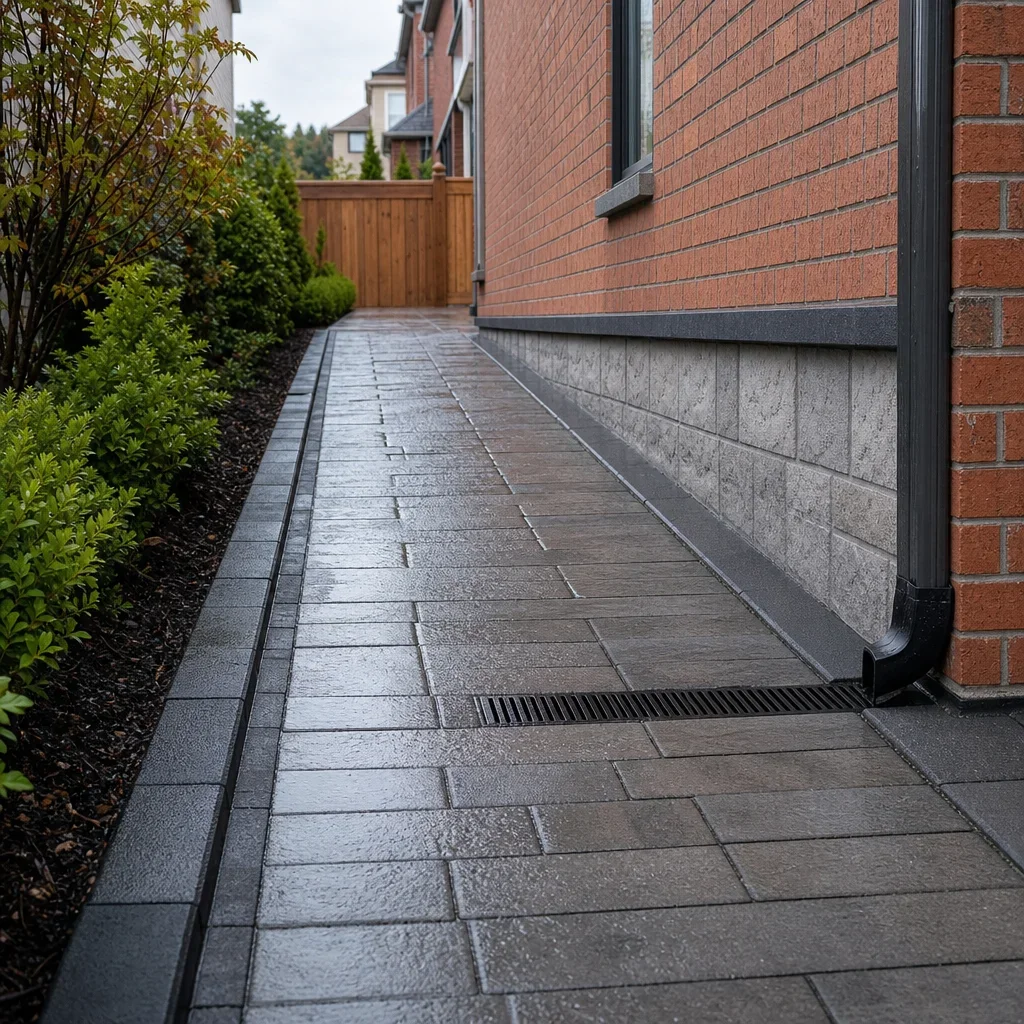
Most side yard failures come from water, not from colour choice. Poor grading, trapped runoff, weak base preparation, missing edge restraint, and ignored downspout discharge are what usually make paving settle or heave.
Drainage planning should happen before the final material is selected. Permeable pavers, collection points, or grading adjustments can all help, but none of them should be treated as a universal cure for every wet site.
Freeze-thaw resilience matters in the GTA because water expands when it freezes and stresses any weak assembly. That is why a side yard path that looks fine in summer can shift badly after winter if the base and drainage were underbuilt.
A simple annual maintenance routine keeps most side yard paving looking better for longer. Sweep debris, inspect low spots, refresh jointing where needed, clean drains, manage weeds early, and check that lighting and edging are still secure.
This is where engineered installation really separates premium work from cosmetic work. A good side yard should still perform after several winters, not just the first season after completion.
Design Trends for 2026 Without Looking Tacky
The paving trends gaining attention are generally cleaner and quieter, not louder. Large-format slabs, warm neutral tones, mixed textures, integrated lighting, and hidden drainage all fit current premium landscape direction without feeling like a short-lived fad.
Low-water planting and fewer fussy patterns also make sense for side yard paving ideas because narrow spaces do not benefit from visual noise. In tight corridors, simplicity usually reads as more expensive.
The fastest way to make a side yard look cheap is to use too many materials at once. Flashy patterns, random decor, visible drainage problems, oversized furniture, and cluttered utility zones can make even expensive paving look poorly planned.
A timeless side yard usually uses one dominant surface, one supporting texture, and one consistent edge language. That is true whether the style is modern, rustic, or transitional.
Toronto & GTA Permit, Setback, and Lot-Grading Considerations
Permit and bylaw requirements can vary by municipality, property conditions, lot grading plans, and project scope. A simple paving job may not always need a permit, but changes tied to grading, drainage, retaining, fences, pools, or parking can trigger review.
Toronto, Markham, Vaughan, Richmond Hill, Mississauga, and Oakville can each apply different local rules. That is why homeowners should verify requirements with their municipality and review the property survey or lot grading documents before construction starts.
Any side yard project that changes where water drains deserves extra caution. Water should not be redirected toward the foundation or neighbouring properties just because a path is being upgraded.
If local rules are unclear, get the answer before you build. That costs less than removing finished work later.
Common Side Yard Paving Problems and How to Fix Them
A muddy path is usually a drainage or grading issue, not just a missing-surface issue. The quick fix is temporary stabilization, but the better fix is correcting the water path and rebuilding the base if needed.
Weeds between pavers usually mean joints were left vulnerable or organic debris is accumulating on the surface. Cleaning, re-jointing, and routine maintenance can help, but persistent growth can also point to a failing installation assembly.
Loose gravel migration happens when the stone size, edging, or traffic pattern is wrong for the space. Adding containment and adjusting the layout can help, but some side yards simply need a more stable surface than gravel can offer.
Uneven stones and rocking pavers usually point to settlement underneath, not just a surface flaw. Resetting isolated sections may work, but broad movement often means the base needs more than a patch repair.
Standing water is a red flag when it sits near the house or returns after each rain. That is where cosmetic fixes stop making sense and drainage assessment becomes the right next step.
Slippery surfaces are often the result of algae, shade, poor texture choice, or trapped moisture. Cleaning helps, but long-term traction comes from choosing the right material and allowing the area to drain properly.
Winter heaving usually means water entered the system and froze. If the movement keeps coming back, reconstruction is often more honest and cheaper than repeated small repairs.
When to Choose a Hardscape-Only Side Yard vs a Mixed Planting Design
Choose a hardscape-only side yard when the strip works mainly as access, storage, bin movement, dog space, or utility service. Those uses benefit from maximum stability, fewer maintenance zones, and easier cleanup.
Choose a mixed planting design when the side yard is visible, design-led, and wide enough to support both circulation and softening. Pavers plus planting usually create a more finished architectural feel than an all-hard corridor.
A no-grass side yard does not have to feel harsh. Narrow raised beds, gravel bands, and restrained planting can soften the route without creating the maintenance demands of a full lawn strip.
This is usually where homeowners get the best long-term result by being honest about lifestyle. If the space is going to carry bins and muddy boots every week, design for that reality first.
FAQ
What to do with an awkward side yard?
The best approach is to decide whether it should be a path, utility corridor, storage route, or a small destination space. Once that use is clear, the layout, width, and material choices become much easier.
Can I lay pavers directly on dirt?
Not if you want a durable path. Temporary garden stones can sit on soil, but a long-lasting side yard paver walkway needs excavation, compacted base, bedding, edging, and drainage.
What happens if I don’t put gravel under pavers?
Pavers can settle, rock, spread, hold water, and heave in winter. The granular base is what supports the surface and helps it stay level.
What is the cheapest form of paving on a budget?
Loose gravel is usually one of the lowest-cost options. It is best for lighter-use spaces, not every daily access route.
Is it cheaper to lay pavers or pour concrete?
Concrete can be cheaper upfront in some simple projects. Pavers often cost more initially but can offer easier repairs and a higher-end finish.
What can I put in a side yard instead of grass?
Good alternatives include pavers, gravel, stepping stones, artificial turf accents, narrow planting strips, or a mixed hardscape design. The right choice depends on shade, drainage, and traffic.
What side yard paving ideas work best for narrow spaces?
Straight paver paths, large-format slabs, utility-friendly walkways, and stepping stones with contained gravel all work well. The key is to reduce clutter and keep the path width functional.
What side yard paving is best for shade and poor drainage?
Drainage-first designs, permeable systems, and stable hardscape surfaces usually perform better than grass in those conditions. Surface choice still has to be matched to proper grading and base preparation.
Do I need a permit to pave a side yard in Toronto or the GTA?
Sometimes no, sometimes yes. It depends on the municipality and whether the project changes grading, drainage, retaining, fences, pool areas, or other regulated site features.
How much does side yard paving cost in Ontario?
Many side yard projects land somewhere from about $1,500 to $12,000+, with larger patio-style conversions moving higher depending on material, access, drainage work, and detailing .
Final Checklist Before You Build a Side Yard Path or Patio
A good side yard project starts with clear decisions before any material is ordered. Use this checklist to avoid the usual mistakes:
- Define the main job of the space: access, utility, storage, dogs, or seating.
- Measure the usable width, not just the lot line to fence line.
- Note all obstructions, including gates, downspouts, meters, hose bibs, and condensers.
- Check where water sits now after rain or snowmelt.
- Choose a material based on traffic, maintenance, and winter performance.
- Keep the layout simple if the space is narrow.
- Plan edging and lighting early, not as afterthoughts.
- Preserve access for bins, service techs, and back-yard circulation.
- Verify municipal and lot-grading requirements before construction.
- Request a design and quote that shows both appearance and drainage strategy.
If your side yard is muddy, narrow, or underused, the right plan should show you exactly how it will function before construction starts. For GTA homeowners who want that level of clarity, RockLeaf offers a free 3D design and quote with line-by-line pricing, a 14-day start promise, and a 5-year total warranty .