








Yard drainage issues cause pooling, erosion and can threaten foundations. Mississauga’s climate can worsen problems, so early recognition matters. This guide describes common symptoms and practical fixes—like French drains and regrading—and suggests when to call local specialists such as Maverick Landscaping.
Signs of Drainage Problems:
Recognise obvious symptoms to avoid bigger repairs.
- Pooling Water: Areas where water remains after rain.
- Erosion: Soil loss or channels carved by runoff.
- Wet Basements: Moisture or flooding in lower levels.
These signs indicate you should investigate causes and plan fixes quickly.
Common Causes:
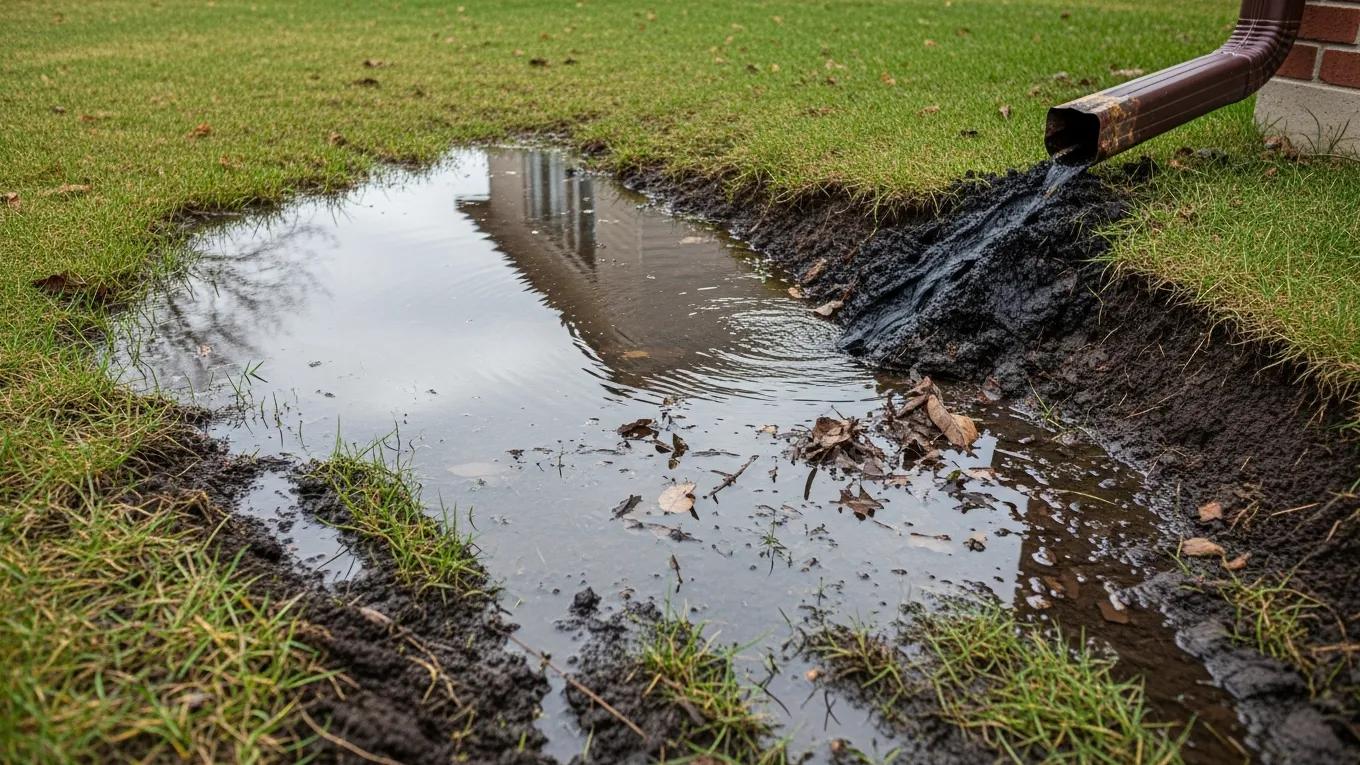
Typical contributors are poor grading, water-retentive soils and blocked drainage paths that direct water toward structures.
- Poor Grading: Surfaces that don’t slope away from the foundation.
- Soil Type: Heavy clay holds water; sandy or amended soils drain better.
- Blocked Drains: Clogged gutters and outlets force water back onto the property.
Assess grading, soil and gutter/drain condition to decide if regrading, soil amendment or added drainage is needed.
Effective Solutions:
Match the remedy to the cause, site constraints and landscape goals.
- Installation of French Drains: A perforated pipe in a gravel trench that redirects subsurface water.
- Yard Grading Fixes: Reshaping slopes and low spots to promote runoff away from structures.
- Catch Basins: Placed at low points to collect and route excess water.
If planning a French drain or grading work, Maverick Landscaping can assess site-specific conditions and recommend solutions.
What Are the Common Signs Your Mississauga Yard Needs Drainage Repair?
Watch for persistent pooling, ongoing erosion and dampness that encourages mould growth.
- Pooling Water: Repeated accumulation after rainfall.
- Erosion: Noticeable soil displacement or gullies.
- Mold Growth: Damp, shaded areas prone to fungal growth.
A professional site review can identify causes and propose cost-effective corrective steps.
Why Choose French Drain Installation for Effective Yard Drainage in Mississauga?
French drains reliably move excess water away, stabilise soil and improve growing conditions for plants.
- Effective Water Management: Redirects flow to prevent surface pooling.
- Soil Erosion Prevention: Minimises soil loss by managing runoff.
- Improved Plant Health: Controls moisture so plants thrive.
As a durable, long-term option, French drains often solve recurring yard water problems.
Modular French Drain Design for Stormwater Management
Stormwater runoff presents a serious threat to the environment and public health. Contaminants from homes collect in runoff and travel along streets into sewer systems, ultimately reaching natural waterways and harming local ecosystems. Many residential driveways are underutilised in terms of their potential to manage stormwater. By integrating a purpose-built drainage system beneath a driveway, a substantial portion of runoff can be contained and infiltrated on-site rather than flowing into public drains. The objective is to design a system that doubles as a functional driveway and a stormwater containment and infiltration solution, with sufficient void capacity to handle most rain events.Designing a Modular French Drain Driveway: Addressing the Impact of Stormwater Runoff from Residential Communities, 2023
When and How Is Yard Grading the Best Solution to Fix Drainage Issues?
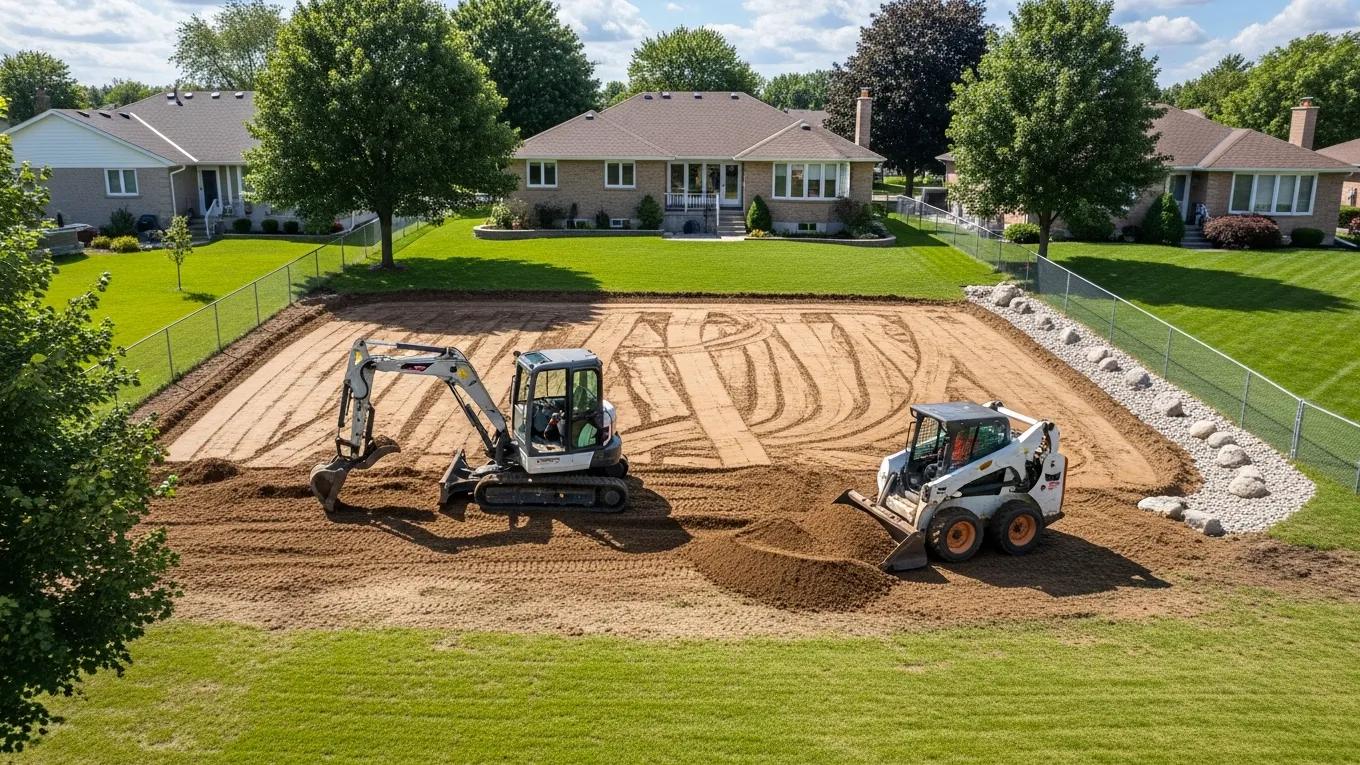
Regrading is most effective when surface slopes direct water toward the house or low spots hold water after storms. Raising grades or smoothing low areas restores proper runoff.
- Water Pooling: Regular pooling after rain is a clear grading candidate.
- Erosion Evidence: Major soil loss can be reduced by reshaping the terrain.
- Foundation Issues: Cracks or settling indicate grading to move water away is needed.
Hire qualified crews to plan grading to modern standards and protect your landscape and foundation.
How Can You Maintain Yard Drainage Solutions Year-Round in Mississauga?
Routine maintenance prevents blockages and preserves system performance across seasons.
- Seasonal Maintenance Tips: Inspect drains and clean gutters regularly.
- Common Challenges: Heavy rains and runoff shifts may require adjustments.
- Effective Strategies: Amend soils, clear debris and maintain vegetation to support drainage.
Regular inspections and prompt minor repairs keep drainage systems functioning reliably.
| Service | Description | Estimated Cost |
|---|---|---|
| French Drain Installation | System that redirects water away from problem areas | $2,500 – $3,500 |
| Yard Grading Services | Reshaping terrain to promote drainage | $1,500 – $2,500 |
| Catch Basins | Collection points for excess water | $600 – $1,200 |
Knowing typical services and costs helps homeowners plan and compare professional proposals.
| Common Signs | Description | Action Needed |
|---|---|---|
| Pooling Water | Areas where water collects and does not drain | Evaluate and install drain solutions |
| Erosion | Loss of soil leading to visible depressions | Implement grading and reinforcements |
| Wet Basements | Moisture presence in basements during rains | Inspect and improve exterior drainage systems |
Acting early prevents further damage and keeps your landscape functional and attractive.
Understanding signs and available fixes—French drains, grading and catch basins—will protect your Mississauga property and curb appeal.
Frequently Asked Questions
What is the cost of installing a French drain in Mississauga?
Costs depend on site details, but a typical installed French drain ranges from $2,500 to $3,500. Length, depth, materials and obstacles such as landscaping or utilities are primary cost factors. A site inspection yields a precise estimate.
How often should I inspect my yard drainage systems?
Inspect systems at least twice a year—spring and autumn—and after big storms. Check for blockages, pooling and erosion near drains and downspouts. Routine maintenance lowers the chance of expensive repairs.
Can I install a French drain by myself?
Experienced DIYers may install simple French drains, but proper design, materials and local code knowledge are essential. Mistakes can cause persistent problems; when unsure, hire professionals like Maverick Landscaping for a correct installation.
What soil types are best for yard drainage?
Sandy and loamy soils drain well; clay retains water and often needs amendment. Adding organic compost or sand can improve permeability in clay-heavy yards.
How do I know if my French drain is working effectively?
A working French drain keeps problem areas noticeably drier during and after rain. Continued pooling, seepage into basements or new erosion near the drain indicate a professional review is needed.
Are catch basins necessary for my yard drainage system?
Catch basins are helpful where water regularly collects at low points. They capture and direct runoff away from vulnerable areas, but not every yard requires one; consult a drainage expert to confirm.