








Achieving a professional-looking lawn requires the right techniques. This guide presents practical mowing methods, maintenance best practices, and adjustments for different grass types to help homeowners and managers keep lawns healthy and well-manicured.
Expert Lawn Mowing Techniques
Good mowing relies on a few fundamentals: mow regularly to promote growth and limit weeds, keep blades sharp to avoid tearing, and set cutting height to match the grass — cool-season grasses often do best at 2.5–4 inches, warm-season types at 1–3 inches.
Best Practices for Maintaining Healthy Lawns
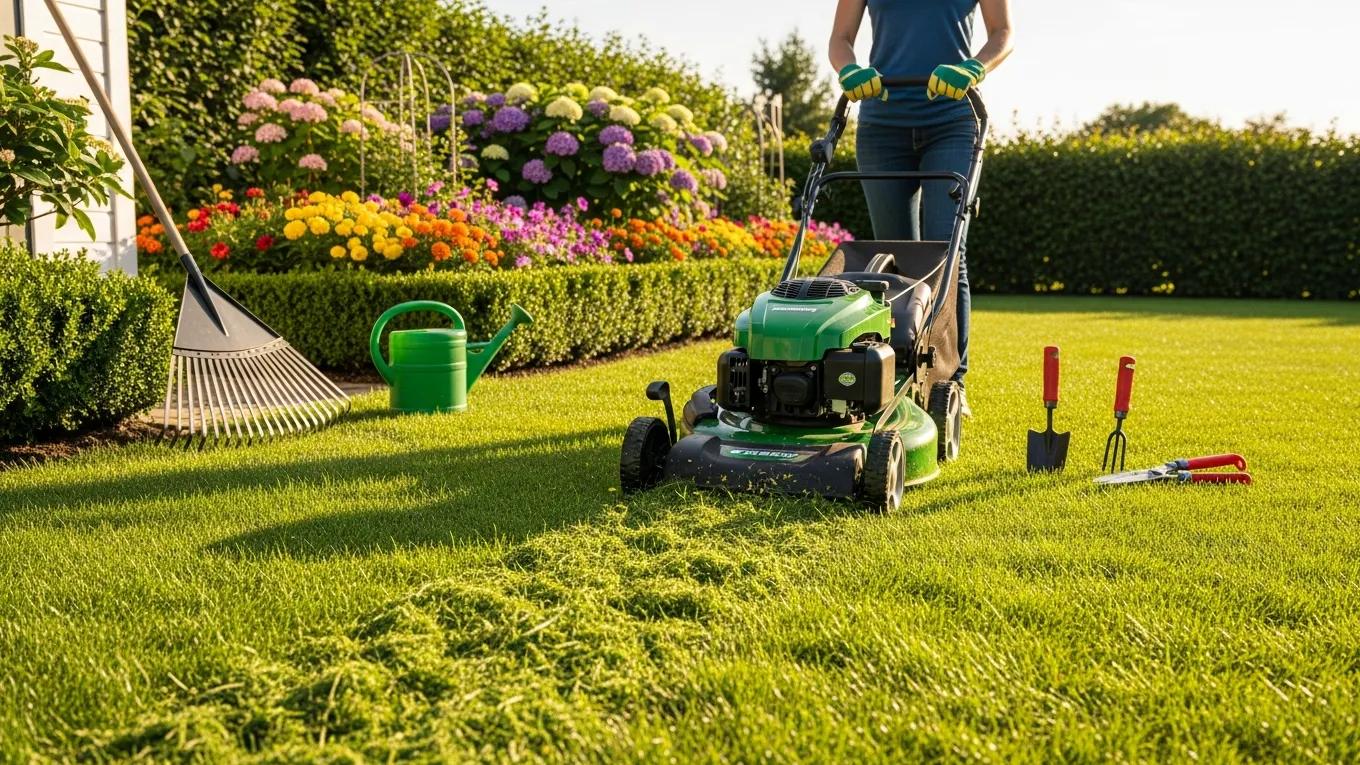
Effective lawn care goes beyond mowing. Consider these practices:
- Lawn Clipping Management: Leaving clippings can return nutrients as they decompose; avoid thick mats that smother turf.
- Seasonal Care Adjustments: Change your routine by season — fertilize and aerate in spring; overseed and clean up in fall.
- Aeration and Overseeding: Aerate to relieve compaction and overseed to fill bare spots and boost density.
Maverick Landscaping emphasizes the value of professional lawn care services to ensure lawns receive tailored care.
Tips for Achieving Optimal Results
Apply these practical tips:
- Lawn Health Assessment: Check for stress, disease, or pests so you can address problems early.
- Cleanup After Mowing: Remove debris and excess clippings to maintain appearance and reduce disease risk.
- Ongoing Support from Professionals: Professionals can provide routine care and targeted advice for persistent issues.
What Are the Essential Lawn Mowing Techniques for a Professional Cut?
Start by identifying grass type, use suitable mowing patterns, and set equipment correctly for clean, even cuts.
How to Safely Cut Long Grass with Expert Precision
Wear gloves and eye protection. Begin with a higher cutting height, then lower it gradually over several mowings to avoid scalping and support regrowth.
What Is the Ideal Mowing Pattern to Promote Grass Health?
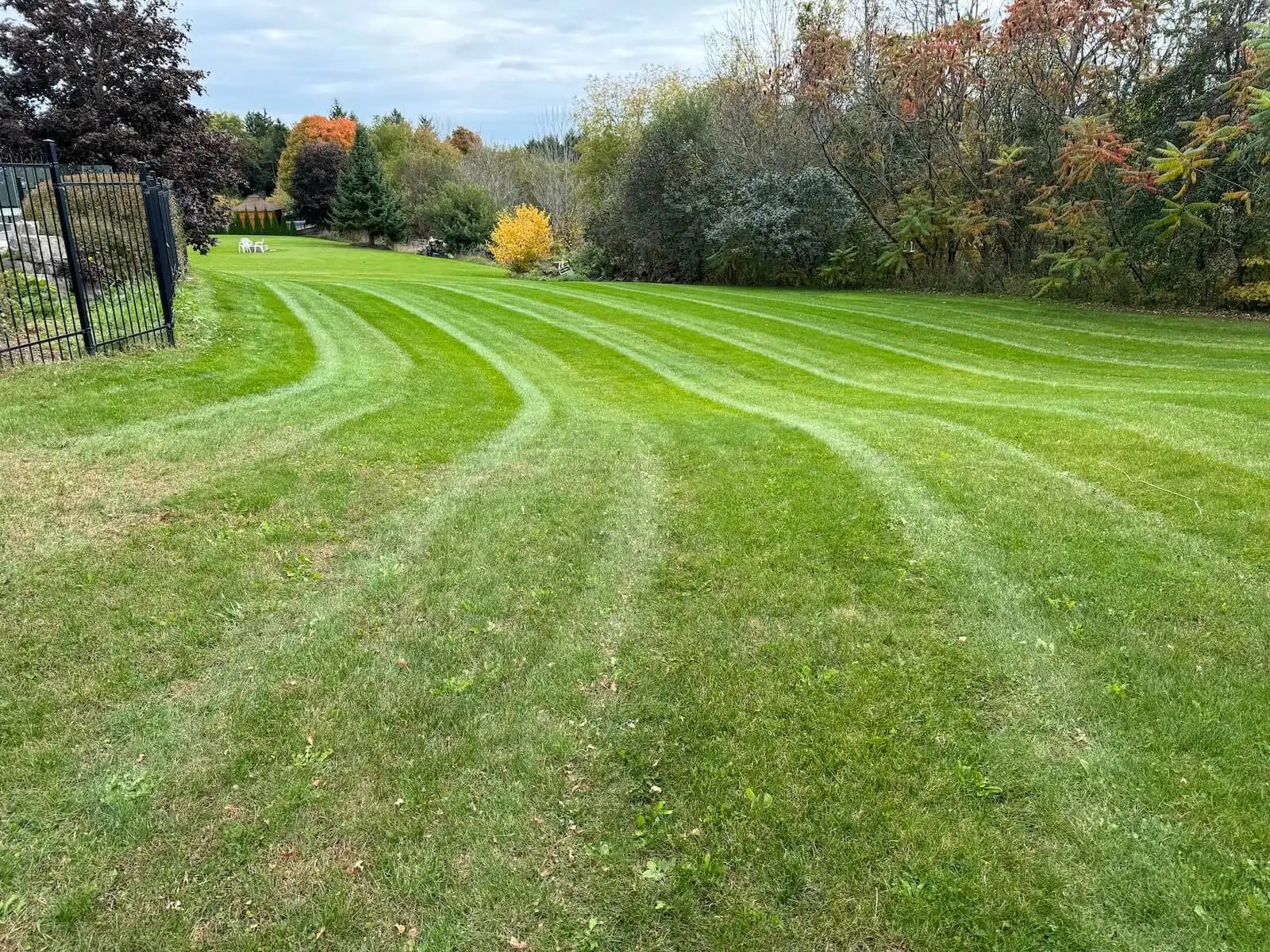
Vary directions to limit compaction and encourage upright growth. For example, alternate north–south one week and east–west the next to avoid wear patterns.
Which Lawn Mower Settings Work Best for Canadian Lawns?
Adjust settings for your local climate and grass species to optimize turf health.
How to Adjust Cutting Height for Different Grass Types
Set heights to suit species: Kentucky bluegrass often does well at about 2.5–3.5 inches, while fescue prefers 3–4 inches. Correct heights preserve density and vigor.
What Equipment Maintenance Ensures Quality Mowing Results?
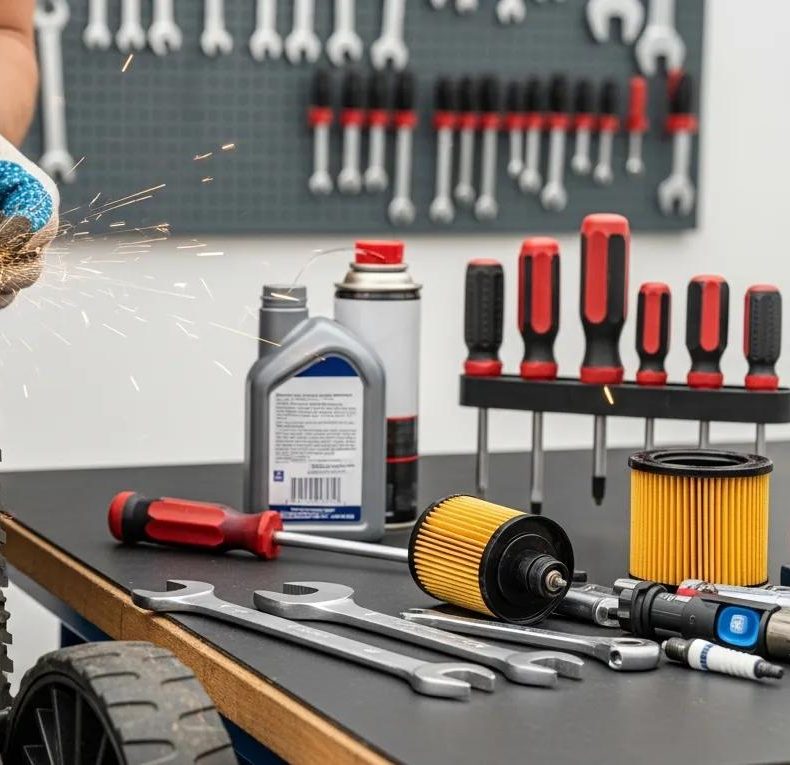
Routine mower care supports consistent cuts. Key tasks include:
- Regular Blade Sharpening: Sharp blades give clean cuts and reduce turf stress.
- Cleaning and Storage Tips: Clean the deck after use and store the mower dry to prevent rust and buildup.
How Often Should You Mow Your Lawn for Optimal Care?
Mow according to growth: weekly during peak growth in spring and early summer, and less often in cooler months. Monitor turf and adjust frequency as needed.
What Is the Recommended Lawn Maintenance Schedule by Season?
A simple seasonal plan helps maintain lawn health year-round.
- Spring: Fertilize, aerate, and overseed as needed.
- Summer: Maintain mowing and water to reduce heat stress.
- Fall: Clean leaves, aerate, and overseed to prepare for winter.
- Winter: Minimize traffic and plan spring tasks.
How Does Regular Mowing Improve Lawn Appearance and Health?
Consistent mowing at the right height promotes even growth, reduces weed pressure, and encourages denser turf that resists pests and disease for a more resilient, attractive lawn.
For commercial properties, Maverick Landscaping also provides seasonal services like commercial snow removal in Mississauga to support year-round property care.
Frequently Asked Questions
What are the benefits of mulching grass clippings?
Mulching returns nutrients to the soil and helps retain moisture. Spread clippings evenly and avoid clumps that can smother turf or raise disease risk.
How can I tell if my lawn needs aeration?
Signs include compacted soil, poor drainage, thin turf, or bare patches. If a screwdriver is hard to push into the soil, aeration is likely needed to improve root access to air and nutrients.
What is the best time of year to overseed my lawn?
For cool-season grasses, early fall is ideal; for warm-season grasses, late spring or early summer works best. Timing improves germination and establishment.
How can I prevent lawn diseases while mowing?
Use sharp blades, avoid mowing wet grass, clean equipment between areas, and maintain proper height and frequency to keep turf healthy and less disease-prone.
What should I do if my lawn has bare patches?
Identify and address the cause, then overseed with the correct grass type, ensure good seed-to-soil contact, water consistently, and consider a light compost topdressing to improve soil quality.
How does seasonal weather affect lawn care practices?
Seasonal conditions guide actions: spring favors fertilizing and aeration, summer increases watering and mowing needs, fall is for overseeding and aeration, and winter requires limiting traffic and planning for spring.