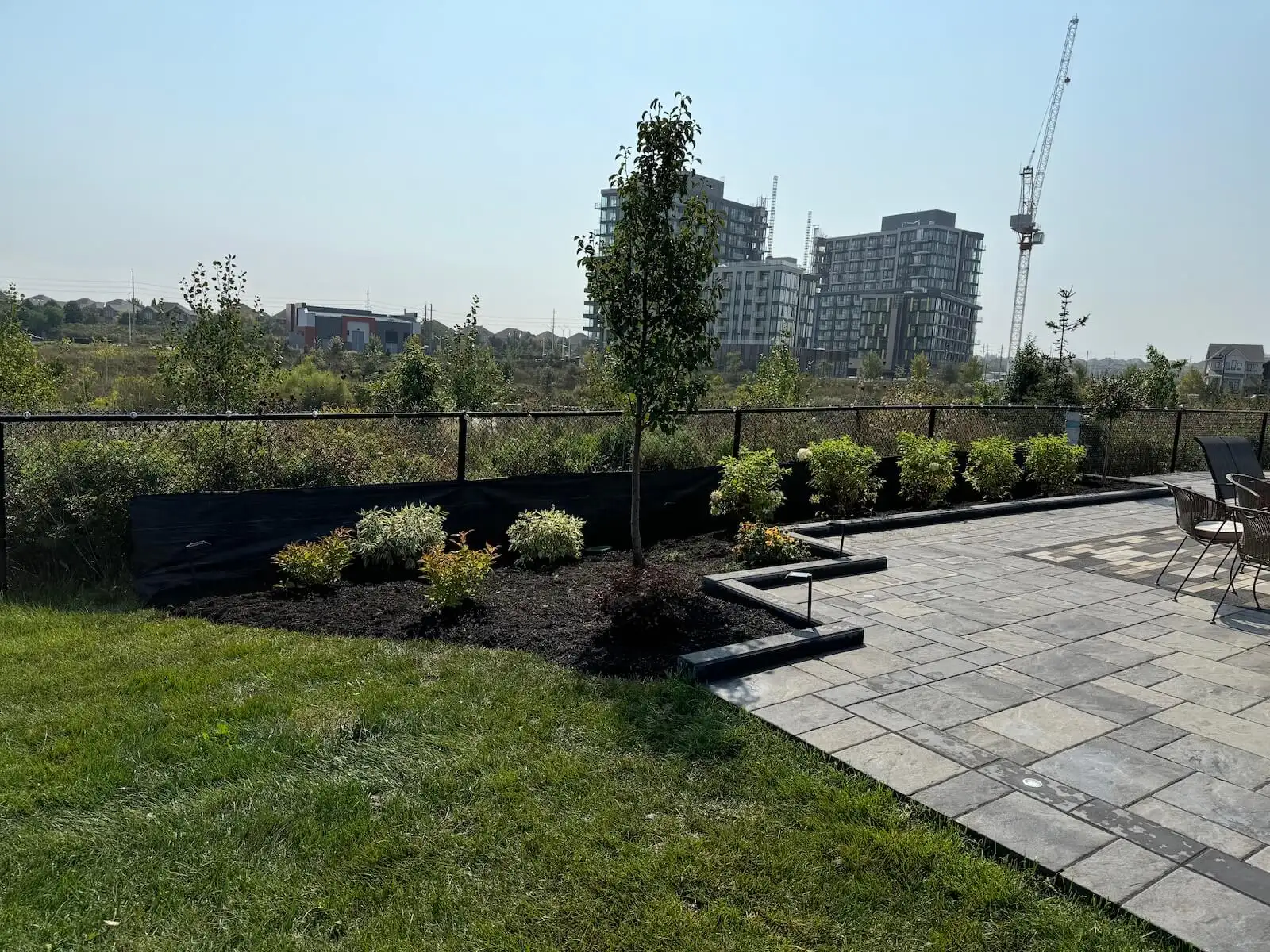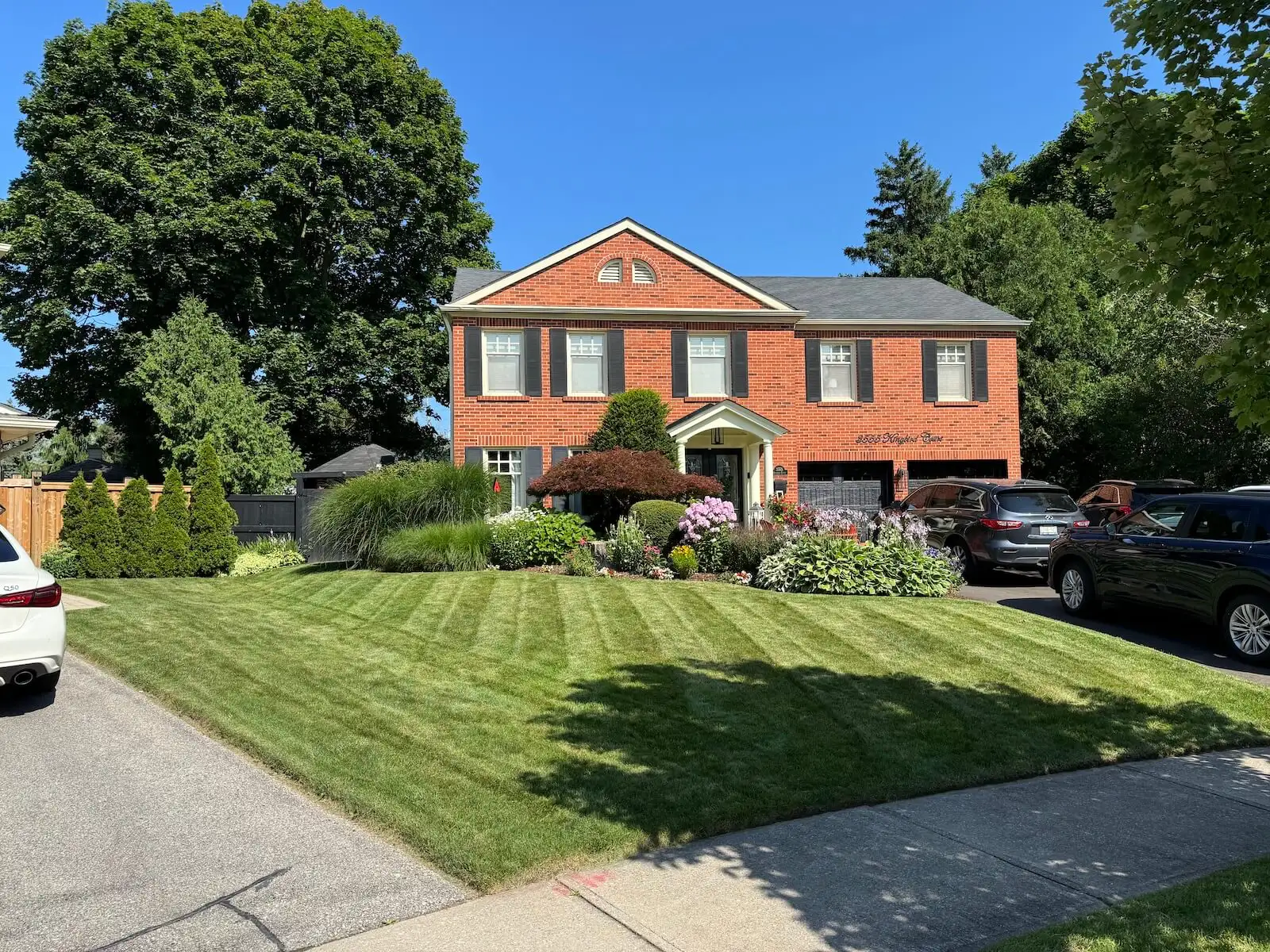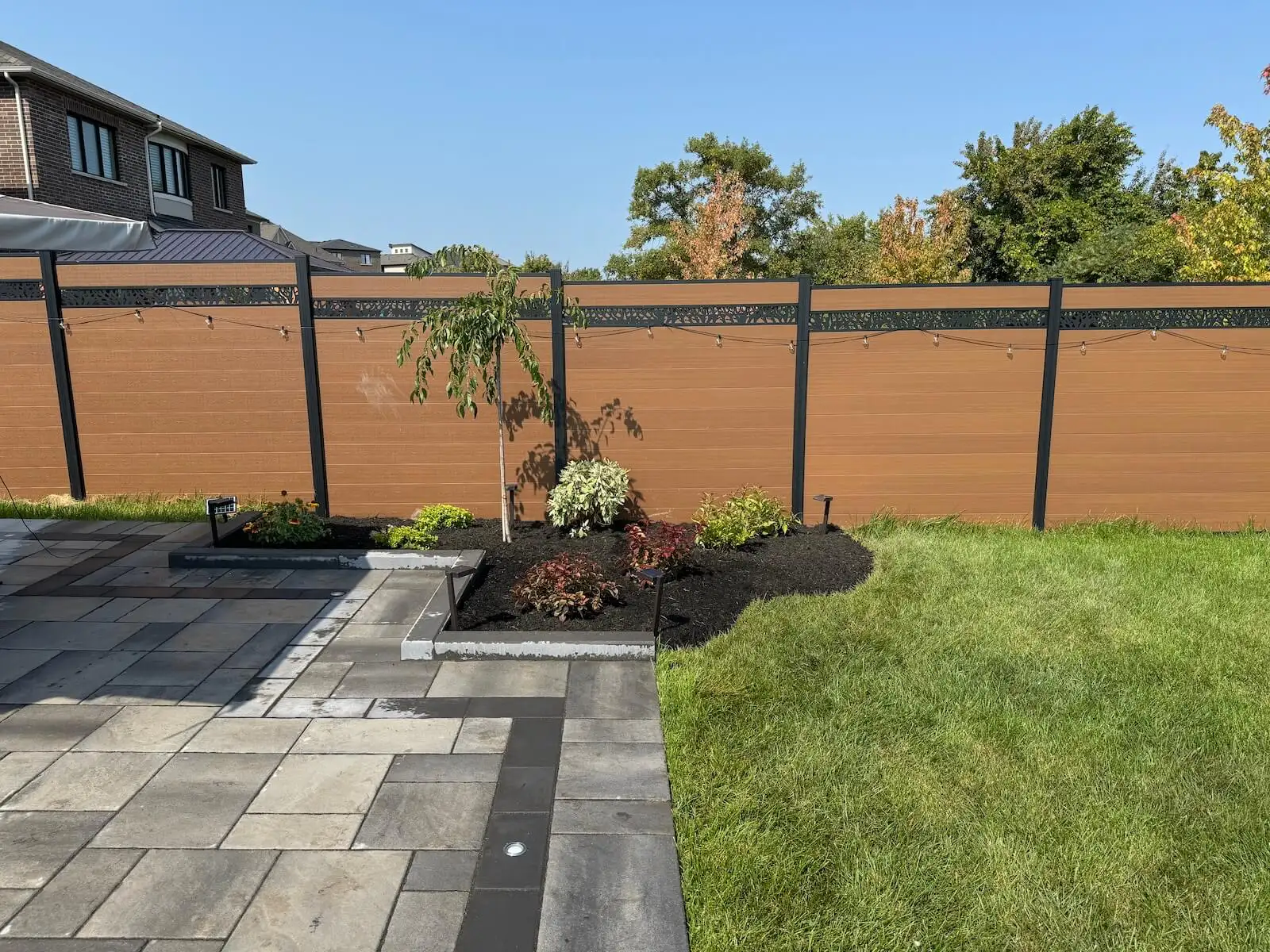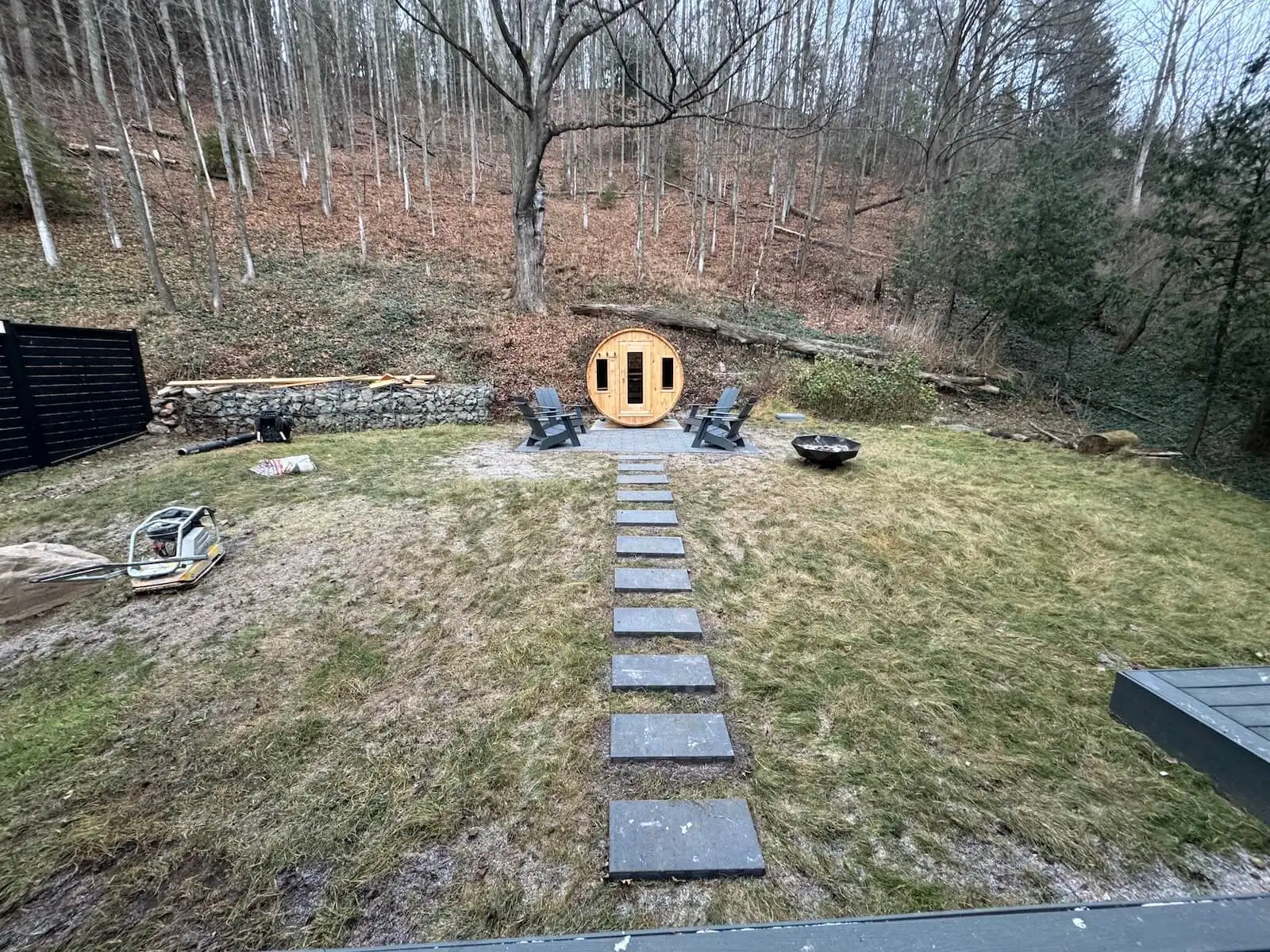









Transforming a sloped backyard into a usable, attractive space takes planning and practical tactics. This guide summarises proven strategies for design, plant selection, grading, drainage and retaining walls, while addressing erosion and accessibility. Professional services from Maverick Landscaping can help implement these solutions.
Design Strategies
Good design balances function and appearance on a slope. Key strategies include:
- Terracing: Create flat planting or seating areas that reduce runoff and stabilise soil.
Research underscores terracing’s versatility, demonstrating how it creates varied functional spaces on sloped terrain.
Sustainable Strategies for Sloped Land Usability & Terracing
OAU, JABU, and CURID campuses in Nigeria adapt steep terrain by converting slopes into outdoor classrooms, stepped plazas and terraced spaces.
Sustainable Landscape Strategies for Slope Stabilization and Land Usability: Comparative Insights from Institutional and Residential Architecture, 2026
- Zoning: Allocate zones for gardening, seating, play and circulation to make the slope purposeful.
- Pathways: Use gently curving paths or steps to improve access and soften the slope visually.
Maverick Landscaping specialises in tailored designs that respond to site constraints and your needs, turning a slope into usable, attractive space.
Plant Selection
Choose plants that stabilise soil and fit your local climate. Consider:
- Native Plants: Low-maintenance, climate-adapted species that support biodiversity.
- Ground Covers: Dense roots reduce erosion and provide year-round cover.
- Seasonal Interest: Mix species for staggered bloom and visual variety.
Consult professionals such as Maverick Landscaping for a planting plan suited to your soil and exposure.
| Plant | Hardiness Zone | Maintenance Level |
|---|---|---|
| Sedum | 3-9 | Low |
| Creeping Thyme | 3-9 | Low |
| Hosta | 3-9 | Moderate |
The table shows common, hardy options for sloped plantings and their care needs.
Slope Grading
Grading directs water away from structures and reduces erosion risk by reshaping contours and slopes.
- Water Drainage: Proper slopes prevent pooling near foundations and reduce flood risk.
- Soil Amendments: Improving soil structure helps plants establish and stabilise the slope.
Attentive grading improves both performance and appearance.
Drainage Solutions
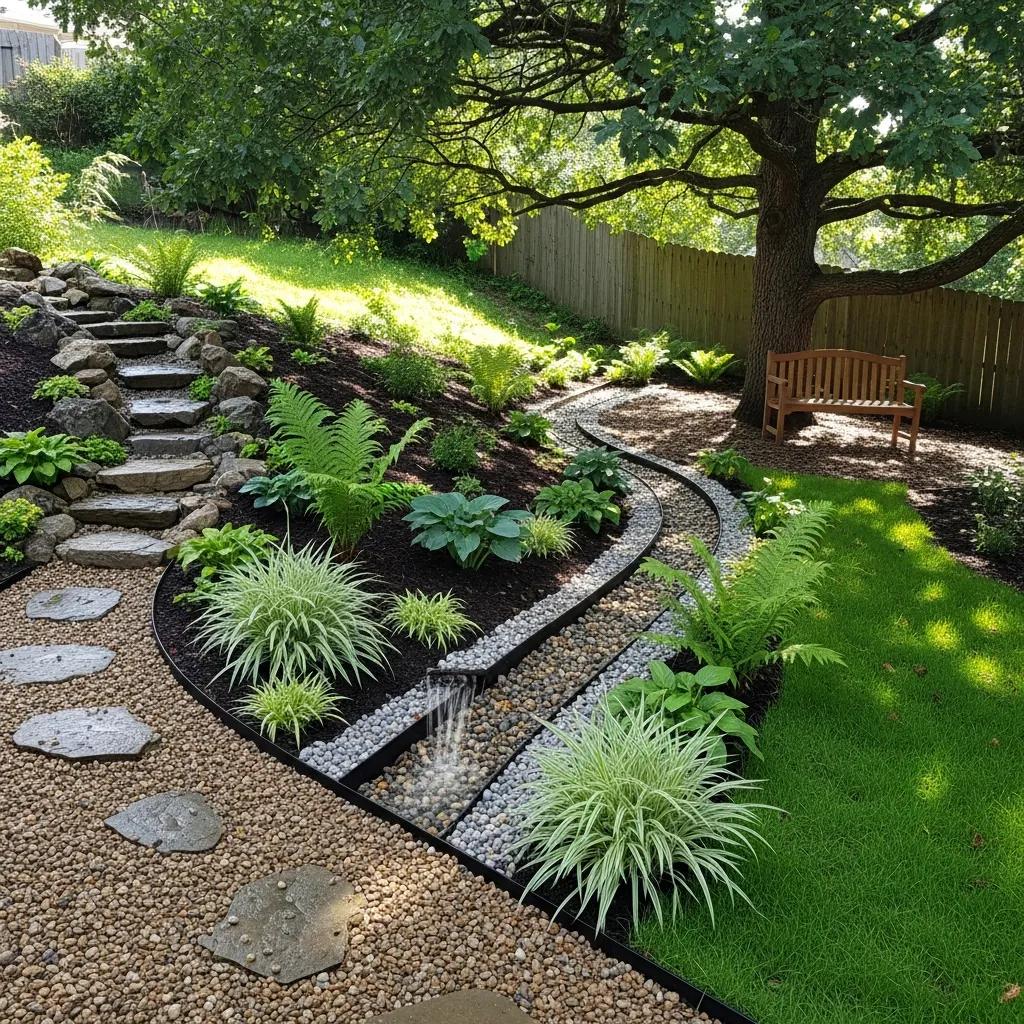
Effective drainage prevents erosion and manages runoff. Common, proven solutions include:
- French Drains: Subsurface channels that redirect concentrated water.
- Rain Gardens: Planted depressions that absorb and slow stormwater.
- Swales: Vegetated shallow channels that slow and convey flow safely.
Choose measures that match your site’s flow patterns to protect plantings and structures.
Retaining Wall Options
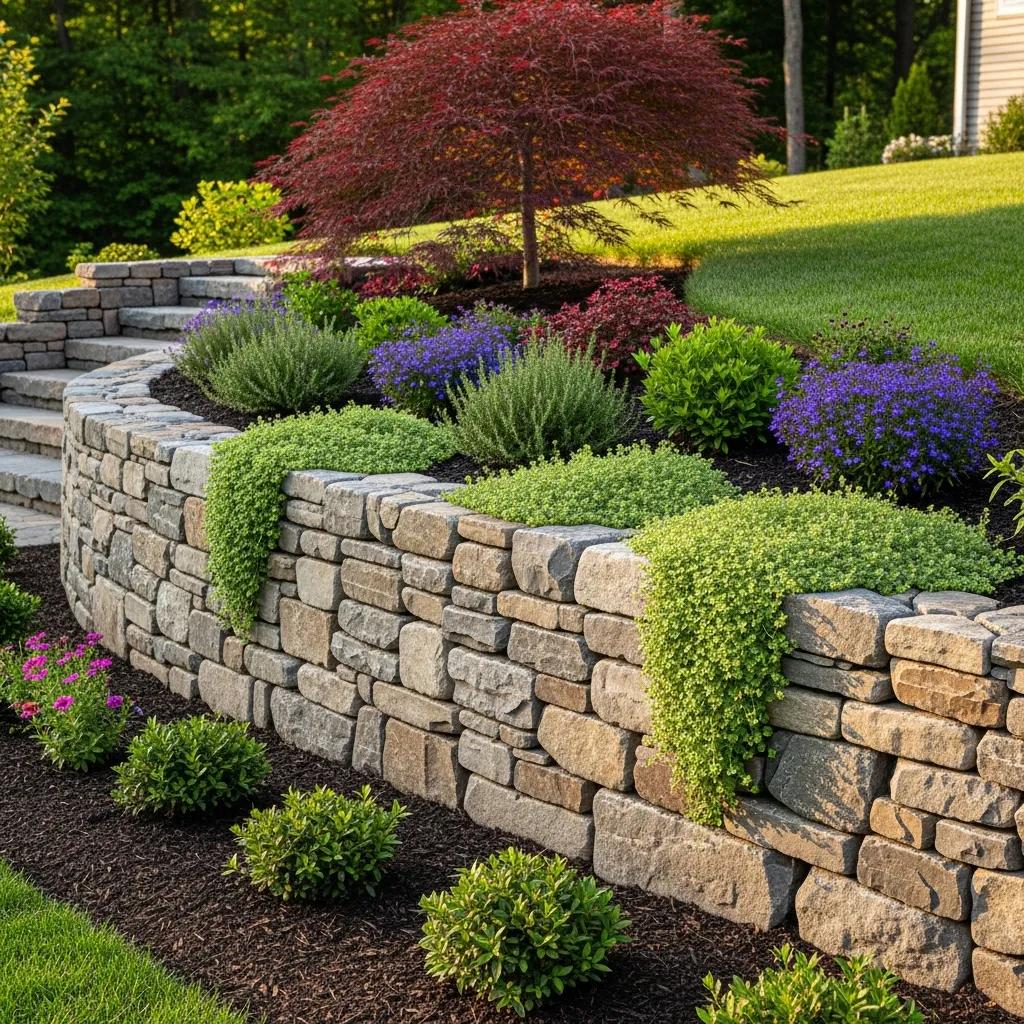
Retaining walls create terraces, control soil and add structure. Options to consider:
- Gravity Walls: Heavy, durable walls suited to steeper grades.
- Timber Walls: Natural-looking and cost-effective for moderate slopes.
Additional Features
Enhancements can lift both function and look. Consider:
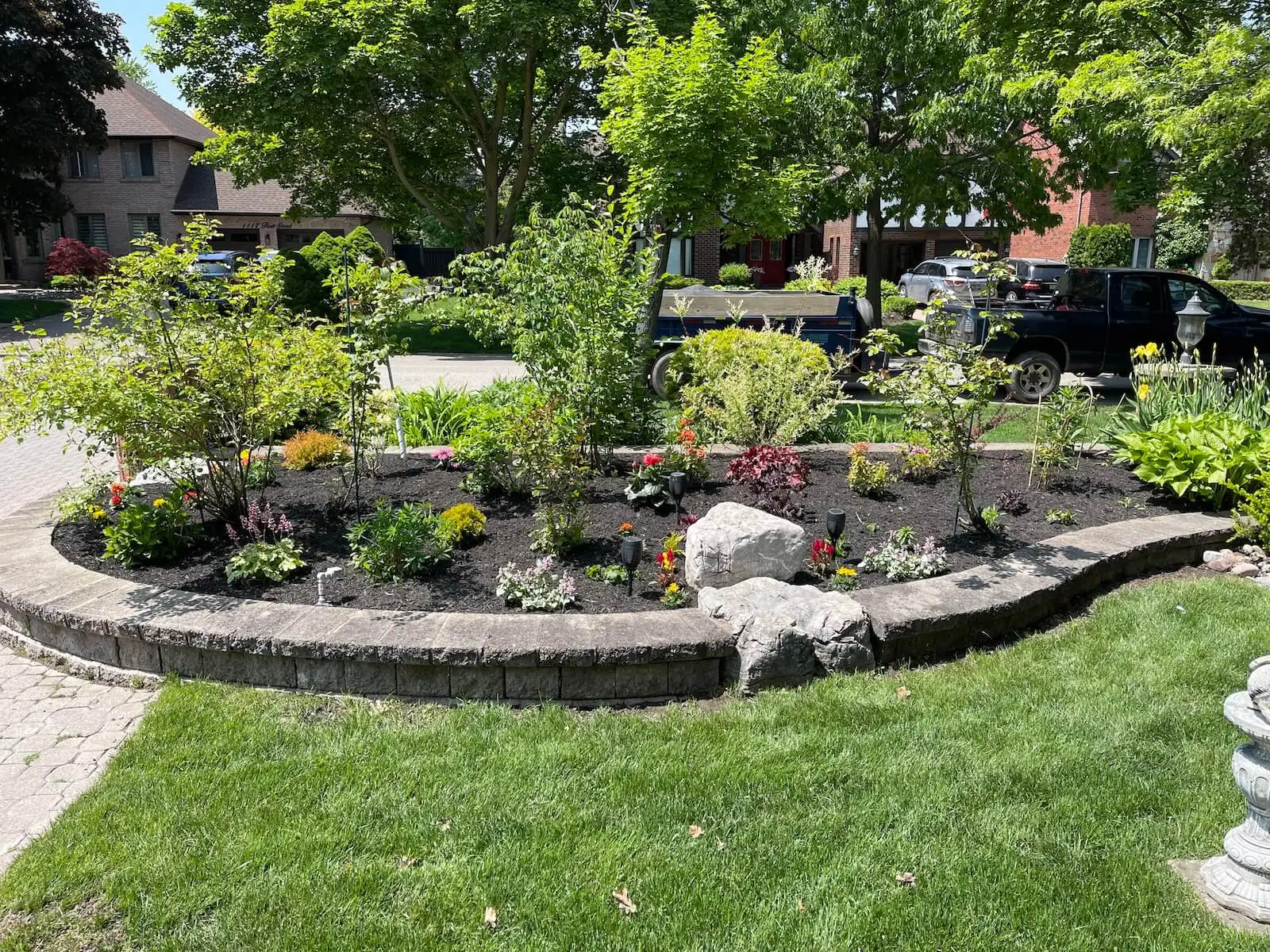
- Edging and Borders: Define beds and limit erosion at transitions.
- Water Features: Ponds, fountains or cascades that complement drainage and design.
How Can Effective Slope Grading and Drainage Improve Your Sloped Backyard?
They protect foundations, reduce erosion and support healthier plantings by moving water where it won’t cause damage.
What Are the Best Drainage Solutions to Prevent Erosion on Sloped Yards?
Combine structural measures (retaining walls, swales) with planted solutions (rain gardens, ground covers) based on how water moves across your site.
How Does Proper Slope Grading Enhance Landscape Stability and Aesthetics?
Good grading controls runoff, prevents gullies and lets plants establish, producing a neater, more resilient landscape.
What Are the Top Retaining Wall Landscaping Ideas for Sloped Backyards?
Use durable materials and consider terraced or curved walls to create planting or seating tiers that integrate with the slope.
Which Retaining Wall Materials Offer Durability and Visual Appeal?
Stone and concrete block provide longevity; timber gives a warmer look but needs more upkeep over time.
How Do Retaining Walls Contribute to Erosion Control and Usable Space?
They hold back soil, form level planting or seating areas and convert steep ground into functional terraces.
Which Plants Are Best Suited for Canadian Sloped Backyard Gardens?
Hardy natives and drought-tolerant perennials work well in many Canadian conditions and support local pollinators.
How to Select Plants That Support Erosion Control and Landscape Beauty?
Match species to your soil and moisture, prioritise deep-rooted natives and use ground covers to stabilise exposed areas.
How Can You Create Functional Outdoor Living Spaces on Sloped Backyards?
Terracing or tiered patios and decks create level areas for seating, dining and circulation while fitting the slope.
What Are Effective Terrace Landscaping Ideas for Slopes?
Low retaining walls can define beds, with dedicated zones for ornamentals, edibles or informal seating at each level.
How to Design Patios and Decks That Complement Sloped Backyard Terrain?
Use tiered elements with durable materials that resist local weather, and provide safe, level transitions between levels.
Implementing these ideas can make a sloped backyard both attractive and practical. For professional assistance, Maverick Landscaping offers tailored landscaping services to help realise your plan.
Frequently Asked Questions
What are the benefits of using native plants in sloped backyard landscaping?
Native plants need less watering and maintenance, support pollinators and their root systems improve soil stabilisation to reduce erosion.
How can I improve accessibility in my sloped backyard?
Include gently sloped paths, steps or ramps with stable surfacing; terraces, handrails or benches make routes safer and more comfortable.
What maintenance practices are essential for sloped backyards?
Watch for erosion, refresh ground covers or mulch, prune to avoid crowding and keep drains and swales clear; seasonal checks catch problems early.
How do I choose the right drainage solution for my sloped yard?
Match the approach to your yard’s layout and soil—French drains for concentrated flows, rain gardens to soak and slow water, swales for conveyance; get a professional assessment for complex sites.
What are some creative ways to incorporate water features in sloped backyards?
Cascading waterfalls, streams that follow the grade, or ponds can be attractive focal points and can be integrated with drainage to manage runoff.
How can I ensure my retaining walls are effective and visually appealing?
Use durable materials, design with curves or varied heights for interest, and provide adequate drainage behind the wall; soften edges with planting.